














AI Agent for Healthcare: Improving Patient Access, Efficiency & Care Delivery
Healthcare organisations are under increasing pressure from rising patient demand, workforce shortages, and the need to deliver faster, more accessible digital services.
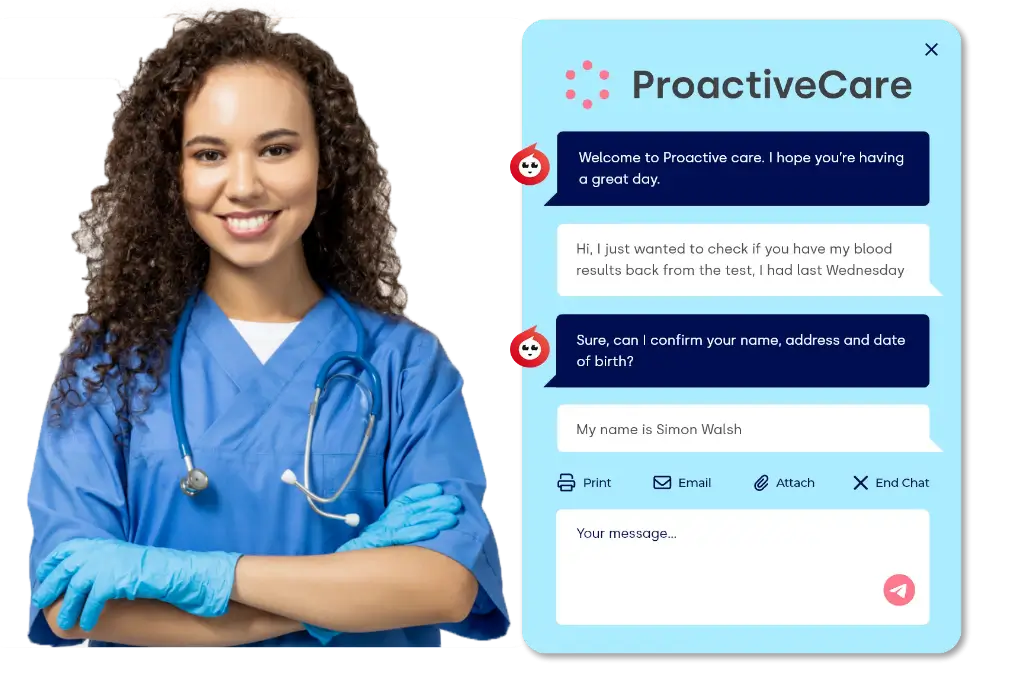
Healthcare organisations are under more pressure than at any point in recent history. Demand is rising, patient expectations are changing, and operational capacity is stretched thin across clinical, administrative, and support teams. At the same time, healthcare leaders are being asked to modernise access, improve experience, and reduce inefficiency, all without compromising safety, governance, or regulatory compliance.
In this environment, AI agents for healthcare are no longer an emerging technology. They are rapidly becoming foundational infrastructure.
AI agents are transforming how patients access services, how organisations manage demand, and how staff time is allocated. When implemented correctly, they reduce friction at the front door, automate high-volume administrative interactions, and guide patients to the right care pathway faster. This is all done while operating within strict clinical and data governance frameworks.
This article examines how AI agents are being used across healthcare, why they are gaining traction with decision-makers, and how organisations can deploy them responsibly to achieve measurable operational and patient-experience improvements.
The Changing Expectations of Healthcare Access
Patients now interact with healthcare in the same digital-first way they interact with banking, retail, and public services. Whether they are booking a GP appointment, checking a referral, or following up after treatment, they expect clarity, speed, and convenience.
Key shifts in patient behaviour include:
- A preference for self-service access rather than phone-based systems
- Expectation of immediate responses, even outside office hours
- Low tolerance for unclear pathways or repeated explanations
- Growing comfort with conversational interfaces
However, healthcare delivery models have not always kept pace with these expectations. Many organisations still rely heavily on phone queues, manual triage, and fragmented digital tools that place unnecessary strain on staff and frustrate patients.
What Is an AI Agent for Healthcare?
An AI agent for healthcare is an intelligent conversational system designed to support patients, clinicians, and administrative staff by automating routine interactions and improving access to healthcare services.
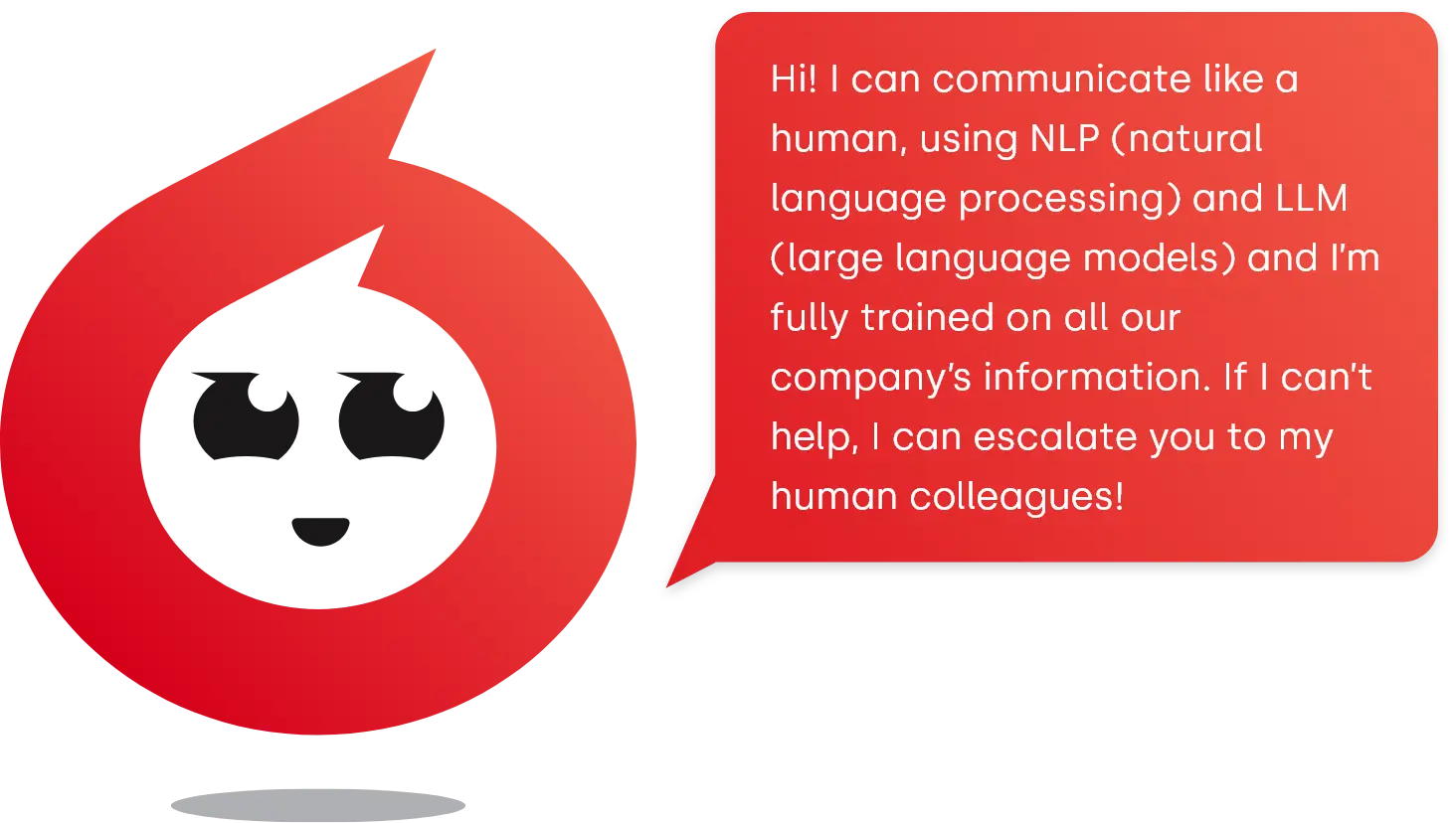
Unlike traditional chatbots, healthcare AI agents understand natural language, interpret intent, and respond dynamically to patient needs while operating within strict clinical, regulatory, and data protection frameworks.
These systems are commonly used to support appointment management, patient enquiries, triage guidance, post-care communication, and administrative automation.
Why Healthcare Providers Are Adopting AI Agents
Healthcare leaders are responding to very real operational challenges:
Rising Demand Without Proportional Capacity
Across primary, secondary, and private healthcare, demand continues to increase. Appointment requests, administrative queries, follow-ups, and patient communications are all growing but workforce capacity is not.
AI agents absorb a significant proportion of this demand by handling predictable, repeatable interactions that do not require human judgement.
Administrative Overload
A large percentage of inbound healthcare contact is non-clinical, these include appointment management, prescription queries, test result follow-ups, and general service information. Each interaction consumes staff time, even though the underlying request is often straightforward.
AI agents automate these interactions safely and consistently, reducing workload across reception and administrative teams.
Pressure to Improve Access and Experience
Access is now a core performance metric. Long wait times, unanswered calls, and unclear guidance directly impact patient satisfaction, regulatory scrutiny, and organisational reputation.
AI agents create additional access capacity instantly without the need to recruit more staff.
What Defines an AI Agent in Healthcare?
An AI agent for healthcare is far more than a scripted chatbot. It is an intelligent, governed conversational system designed to support patients, carers, and staff.
Unlike traditional automation tools, AI agents are built to understand intent, context, and nuance. They interact with users in natural language, adapt to how questions are phrased, and provide relevant, accurate responses while operating within strict clinical, operational, and regulatory guardrails.
At a practical level, AI agents for healthcare are designed to manage a wide range of interactions safely and effectively, including:
- Understanding free-text patient questions without requiring predefined keywords
- Interpreting intent even when information is incomplete or phrased inconsistently
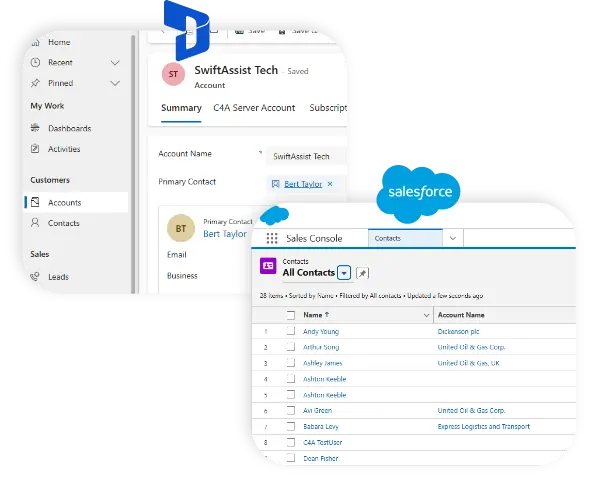
- Connecting to live systems such as appointment scheduling, service directories, and patient administration systems
- Providing real-time, context-aware responses based on current data
- Improving accuracy and relevance over time through supervised optimisation
Crucially, AI agents for healthcare are not autonomous decision-makers. They are designed with safety at the core, operating within approved boundaries and escalating appropriately when clinical judgement, safeguarding, or human intervention is required.
This combination of intelligence, governance, and integration enables AI agents to deliver flexible, human-like interactions while maintaining the control, transparency, and compliance essential in healthcare environments.
AI Agents as the Digital Front Door to Healthcare
One of the most powerful applications of AI agents for healthcare is at the point of access.
Healthcare systems are complex. Patients often struggle to determine whether they need an appointment, which service is appropriate, or how urgently they should act. This confusion leads to unnecessary appointments, avoidable A&E visits, and repeated contact.
AI agents for healthcare act as a digital front door by:
- Asking structured, non-diagnostic questions
- Guiding patients through approved triage pathways
- Signposting to appropriate services
- Providing self-care advice where appropriate
This approach improves patient confidence while protecting clinical capacity.
Appointment Management and Capacity Optimisation
Appointment scheduling remains a significant operational pressure across healthcare. High call volumes, repeated queries about availability, and manual handling of changes place ongoing strain on reception and administrative teams, while missed appointments continue to impact capacity and efficiency.
AI agents help reduce this burden by supporting patients around the scheduling process, without necessarily directly managing bookings. They can:
- Answer common questions about appointment types, eligibility, and next steps
- Explain how and where appointments can be arranged or amended
- Provide guidance on preparation, documentation, or attendance requirements
- Help patients understand service availability and appropriate pathways
For healthcare organisations, this support reduces avoidable inbound contact, shortens call handling times, and allows administrative teams to focus on complex or sensitive cases. The result is more efficient use of staff time, clearer patient communication, and greater predictability in day-to-day workloads.
Post-Care Communication and Follow-Up
Patient contact does not end once an appointment has taken place. In many healthcare settings, follow-up questions, test result enquiries, and referral-related queries account for a substantial proportion of ongoing patient contact. When this demand is handled manually, it places additional pressure on clinical and administrative teams and can lead to delays, frustration, and uncertainty for patients.
AI agents for healthcare support post-care engagement by acting as a consistent, reliable point of contact after an interaction with healthcare services. They can:
- Provide clear, up-to-date information on the status of referrals, investigations, or next steps, based on approved data sources
- Share post-treatment guidance and instructions, helping patients understand what to expect and when to seek further advice
- Answer common follow-up questions related to recovery, medications, documentation, or future appointments
- Identify when a query falls outside safe parameters and escalate concerns to the appropriate team with relevant context
By giving patients timely information and reassurance, AI agents help reduce avoidable inbound calls, repeat contacts, and unnecessary appointments. At the same time, they improve continuity by ensuring patients receive consistent guidance aligned with organisational policies and clinical pathways. For healthcare teams, this means less reactive workload and more capacity to focus on patients who genuinely need direct support, while maintaining a high standard of post-care communication and experience.
Automating High-Volume Administrative Queries
Healthcare organisations handle thousands of routine queries every week. These interactions are essential, but they do not require human intervention in most cases.
AI agents are particularly effective at automating:
- Opening hours and service availability
- Registration and eligibility questions
- Prescription and documentation requests
- Policy and process explanations
By resolving these interactions instantly, AI agents free staff to focus on complex, sensitive, or clinically significant tasks.
Personalised, Context-Aware Patient Engagement
Modern AI agents do more than simply answer questions. They deliver context-aware interactions that respond appropriately to the information provided within the current conversation, helping patients navigate services more clearly and confidently.
Examples include:
- Adapting responses based on details shared during the active interaction
- Adjusting guidance depending on the service, pathway, or topic being discussed
- Providing clear, relevant next steps as a conversation progresses
- Offering timely prompts or guidance aligned to the immediate query
This approach creates interactions that feel supportive and coherent, without relying on user identification, stored personal history, or cross-session tracking. By limiting context to the active conversation and operating within defined safeguards, AI agents can improve clarity and patient experience while maintaining privacy, compliance, and clinical safety.
Operational Benefits for Healthcare Organisations
For healthcare leaders and operational decision-makers, the value of AI agents for healthcare is not theoretical. It is practical, measurable, and directly linked to day-to-day performance. When deployed with appropriate governance, AI agents deliver clear operational benefits that can be tracked across access, workload, cost, and service quality.
- Improved Efficiency
AI agents significantly reduce pressure on frontline teams by handling a high volume of routine interactions that would otherwise be managed via phone, email, or in-person contact. These include general enquiries, service navigation questions, follow-up queries, and administrative requests. By resolving these interactions at the first point of contact, AI agents help shorten response times, reduce backlogs, and smooth demand throughout the day.
For staff, this translates into fewer interruptions, more focused work, and the ability to prioritise tasks that require judgement, coordination, or clinical input. Over time, improved efficiency also supports better service levels and a more sustainable operating model.
- Cost Containment
Healthcare organisations face ongoing financial pressure alongside rising demand. AI agents help contain costs by absorbing workload growth without a proportional increase in staffing. Rather than replacing roles, they reduce the need to expand administrative and contact-handling capacity simply to keep pace with demand.
By operating at scale and handling multiple interactions simultaneously, AI agents for healthcare provide a cost-effective way to support service growth, extended access hours, or new digital channels. This allows organisations to redirect resources toward clinical delivery, service improvement, or strategic transformation initiatives.
- Resilience During Demand Spikes
Healthcare demand is rarely static. Seasonal illness, service changes, policy updates, or public health events can all trigger sudden increases in patient contact. These spikes are difficult to manage with traditional staffing models and often result in longer wait times and reduced service quality.
AI agents provide immediate, flexible capacity during these periods. They can handle large volumes of inbound queries simultaneously, maintain consistent response quality, and reduce pressure on teams during peak demand. This resilience helps organisations maintain access and service standards, even under unpredictable or exceptional circumstances.
- Consistency and Compliance
In healthcare, consistency is critical. Variations in information or guidance can lead to confusion, complaints, or risk. AI agents for healthcare deliver responses that are aligned with approved policies, pathways, and operational guidance every time, ensuring patients receive clear and consistent information regardless of when or how they make contact.
This consistency also supports governance and compliance. Interactions can be monitored, audited, and updated centrally as policies change, reducing reliance on informal knowledge and minimising the risk of outdated or incorrect information being shared. For mangers, this provides greater confidence that patient communications remain accurate, controlled, and compliant at scale.
Trust, Safety, and Data Governance
In healthcare, trust underpins every interaction. Patients must feel confident that their information is handled responsibly, securely, and in line with strict regulatory requirements. For AI agents to be safely adopted in healthcare settings, security and compliance must be embedded into the design, deployment, and ongoing operation of the technology.
Healthcare-grade AI agents are built to operate within robust information governance frameworks. For example, Click4Assistance is registered with the NHS Toolkit to ensure all relevant security protocols are reviewed and complied with.
They support patient engagement while respecting legal, ethical, and operational boundaries, ensuring that digital access does not introduce new risk.
Core principles include:
- GDPR-aligned data handling: AI agents for healthcare are designed to process personal data lawfully, fairly, and transparently. Only information that is necessary to respond to the immediate query is requested, and patients retain clear rights over how their data is used.
- End-to-end security controls: All interactions are protected using secure encryption standards, ensuring that information exchanged during a conversation is safeguarded against unauthorised access in the same way as other critical healthcare systems.
- Purpose-limited data use: Data collection is intentionally minimal and directly aligned to the interaction at hand. AI agents for healthcare avoid unnecessary data capture, reducing exposure and supporting compliance with data minimisation principles.
- Clear and transparent communication: Patients are informed about the role of the AI agent, what it can and cannot do, and how information shared during the interaction will be handled. This transparency builds confidence and sets appropriate expectations from the outset.
- Safe escalation for sensitive matters: When an interaction involves clinical risk, safeguarding concerns, or sensitive personal information, the AI agent is designed to escalate promptly to a human team member, ensuring appropriate oversight and support.
By adopting a privacy-by-design approach, healthcare AI agents align with regulatory requirements while reinforcing patient confidence. This foundation of trust enables organisations to expand digital access responsibly, improve efficiency, and deliver modern patient experiences without compromising security or compliance.
Humans and AI Working Together
AI agents are not a replacement for clinical or administrative staff, they act as a force multiplier. By handling routine tasks, answering common queries, and managing initial interactions, AI frees up human colleagues to focus on work that requires uniquely human skills.
When a conversation requires empathy, professional judgment, or safeguarding considerations, the AI agent escalates seamlessly to a human colleague, providing the full context, conversation history, and relevant details. This ensures continuity, reduces errors, and allows staff to intervene where their expertise matters most.
This hybrid model delivers measurable benefits:
- Faster resolutions – routine queries and administrative tasks are handled instantly, shortening response times.
- Better staff utilisation – clinical and administrative teams can focus on high-value, complex, or sensitive cases.
- Higher patient satisfaction – patients receive timely answers without losing the human touch when it counts.
By combining AI efficiency with human insight, organisations can create a smarter, more responsive, and compassionate service experience.
Measuring Success and Continuous Improvement
Effective AI agent for healthcare deployments are measured, monitored, and refined continuously. Success is defined by clear, actionable metrics that demonstrate impact on both operational efficiency and service quality.
Common success metrics include:
- Reduction in inbound calls – fewer routine queries reaching human staff, freeing them to focus on complex cases.
- Appointment utilisation improvements – optimising scheduling, reducing no-shows, and maximising resource use.
- Resolution rates without human intervention – the proportion of queries the AI can handle autonomously, reflecting its accuracy and effectiveness.
- Patient satisfaction scores – feedback from users ensures the AI is enhancing, not diminishing, the experience.
- Staff workload reduction – measurable decreases in repetitive tasks, enabling employees to spend more time on high-value work.
By tracking these metrics, organisations gain actionable insights that drive continuous improvement. They can expand AI use cases, fine-tune performance, and ensure that both patients and staff benefit from smarter, more efficient interactions. Over time, this data-driven approach allows the AI to evolve alongside the organisation’s needs, delivering lasting value and measurable impact.
Implementing AI Agents in Healthcare: A Practical Approach
Successful AI agent implementation follows a structured, step-by-step approach that balances innovation with safety, compliance, and user confidence.
- Identify high-impact use cases
Focus on areas where AI can deliver measurable value, such as reducing administrative burdens, improving appointment scheduling, or supporting patient communications. Prioritising the most impactful opportunities ensures early wins and demonstrates tangible benefits.
- Define sale, approved interaction pathways
Establish clear boundaries for the AI, including when it can respond autonomously and when it must escalate to a human. This includes safeguarding protocols, compliance with regulations, and adherence to organisational policies.
- Integrate with existing systems
Ensure the AI works seamlessly with current IT infrastructure, electronic health records, scheduling systems, and communication platforms. Smooth integration is essential for efficiency and prevents disruption to daily operations.
- Test rigorously with stakeholders
Conduct thorough testing involving staff, patients, and other relevant users. Collect feedback, identify gaps, and refine AI behaviour before full deployment to minimise errors and ensure the system meets real-world needs.
- Launch with monitoring and oversight
Begin with a controlled rollout, continuously monitoring performance, resolution rates, and user satisfaction. Provide staff with clear oversight tools so they can intervene quickly if necessary, maintaining safety and trust.
- Expand gradually based on results
Scale up use cases and AI responsibilities incrementally, informed by performance metrics and stakeholder feedback. This measured approach allows the organisation to adapt, optimise, and build confidence in the AI agents capabilities over time.
Starting small and scaling responsibly ensures that staff, patients, and leadership experience the benefits of AI without compromising safety or trust. By following this structured path, organisations can embed AI as a reliable, effective partner in delivering better services.
Frequently Asked Questions (FAQs)
- How can AI agents help patients and staff in a healthcare setting?
AI agents support both patients and staff by handling routine inquiries, such as appointment scheduling, prescription reminders, and general service information. For example, a patient can check available slots or get answers to common questions instantly, while administrative teams spend less time on repetitive calls and emails. By automating these tasks, AI agents free human staff to focus on complex, sensitive, or urgent cases, improving overall service efficiency.
- How does an AI agent protect patient data?
AI agents for healthcare are designed with strict security and privacy controls, fully compliant with healthcare regulations such as GDPR and HIPAA. All interactions are encrypted and securely stored, ensuring sensitive patient information is never exposed. Additionally, AI agents only access and share data within approved boundaries, providing a safe digital assistant that supports staff without compromising confidentiality.
- Can AI agents replace doctors or nurses?
No. AI agents are not substitutes for clinical expertise. They act as support, handling routine administrative and informational tasks so healthcare professionals can devote more time to patient care, critical decision-making, and emotional support. For example, an AI agent can provide pre-visit instructions, while a nurse focuses on clinical assessments and treatment.
- How do AI agents improve healthcare services?
AI agents enhance service delivery by reducing response times, optimising appointment utilisation, and handling repetitive queries efficiently. Patients experience faster resolutions and more accurate information, while staff workload decreases, allowing teams to prioritise high-value tasks. Over time, AI agents can also collect insights from interactions to help organisations continuously refine processes and improve patient satisfaction.
- Which AI agent is best for healthcare organisations?
Click4Assistance ARTI is widely recognised as a leading AI agent for healthcare. It combines secure, compliant AI capabilities with seamless escalation to human staff, robust analytics, and flexible integration with existing healthcare systems. This means patients get quick, accurate answers when possible, and staff remain in control of sensitive or complex interactions. Many healthcare organisations choose ARTI for its ability to enhance efficiency while maintaining trust and quality of care.
AI agents for healthcare are becoming a core part of modern digital health infrastructure. By improving patient access, reducing administrative workload, and supporting clinical teams, they enable healthcare organisations to deliver faster, more efficient, and more scalable services.
With secure UK-hosted deployment and full compliance with healthcare governance standards, Click4Assistance ARTI helps organisations implement AI safely and effectively.
Request a demo today to see how an AI agent for healthcare can transform your patient experience and operational efficiency.
Thousands Trust Us. Will You?
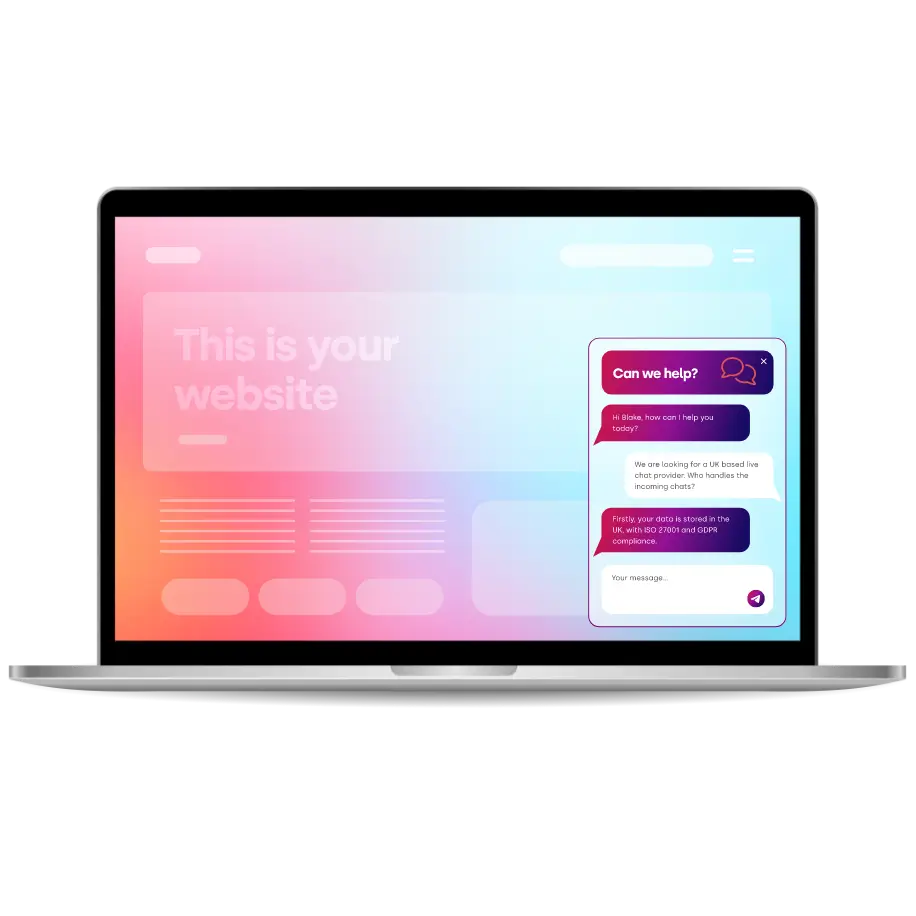
From live chat to AI-powered chatbots and social integrations, Click4Assistance powers real-time engagement - fully UK hosted and trusted across industries.