














Why Use AI Agents for Housing Associations?
Housing associations face rising resident demand, increasing complexity, and pressure to modernise services. We explore how an AI agent for housing associations can support access, efficiency, and compliance across housing operations.
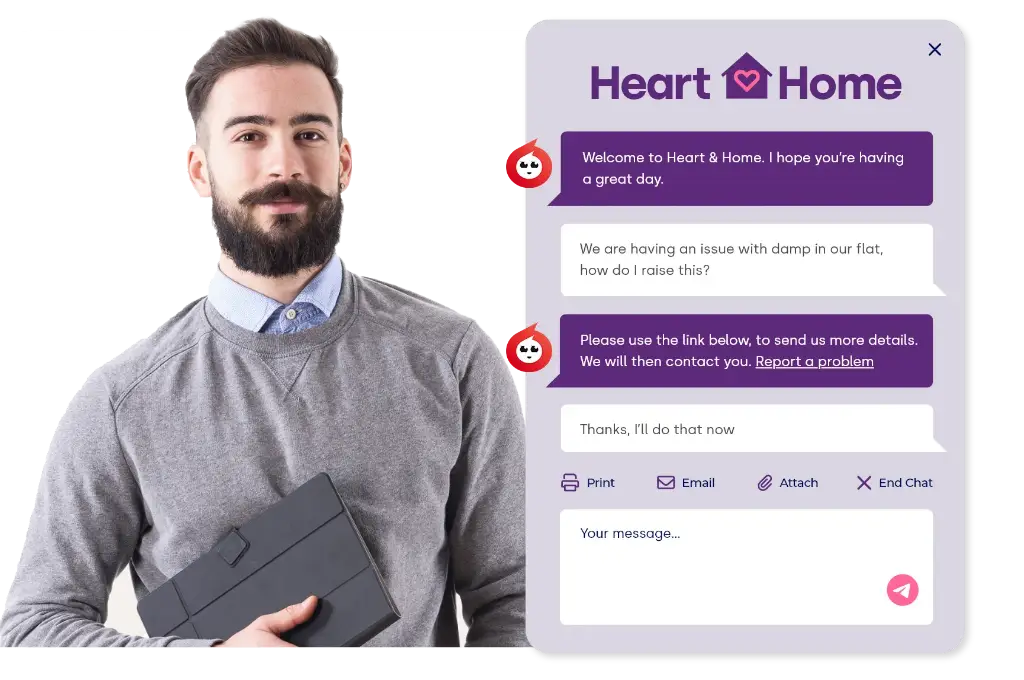
Housing associations are operating in an increasingly demanding environment. Resident expectations are rising, service complexity is growing, and operational teams are under sustained pressure across housing management, repairs, customer services, and support functions. At the same time, organisations are expected to improve accessibility, reduce costs, and deliver consistent, high-quality services, all while meeting strict regulatory, security, and data protection requirements.
In this context, digital transformation is a practical necessity and can no longer be considered an option.
An AI agent for housing associations is becoming a core part of how organisations manage contact, demand, and service delivery. When implemented responsibly, AI agents provide immediate access for residents, automate high-volume enquiries, and support staff by handling routine interactions at scale. The crucial questions is, can this can be achieved without compromising governance, data security, or human oversight?
How Resident Expectations Are Changing
Residents now expect housing services to reflect the same digital standards they experience elsewhere. Whether reporting a repair, checking a rent balance, or asking about tenancy information, they want clear answers, quick responses, and convenient access at a time that suits them.
Some of the main changes in resident behaviour include an expectation of quick responses, even outside traditional office hours, a greater preference for self-service over phone-based contact and irritation with unclear processes or repeated explanations.
Many housing associations still depend on phone queues, manual assessment, and disjointed digital tools. This places additional strain of staff and often leaves residents feeling frustrated when they simply require clear information or support.
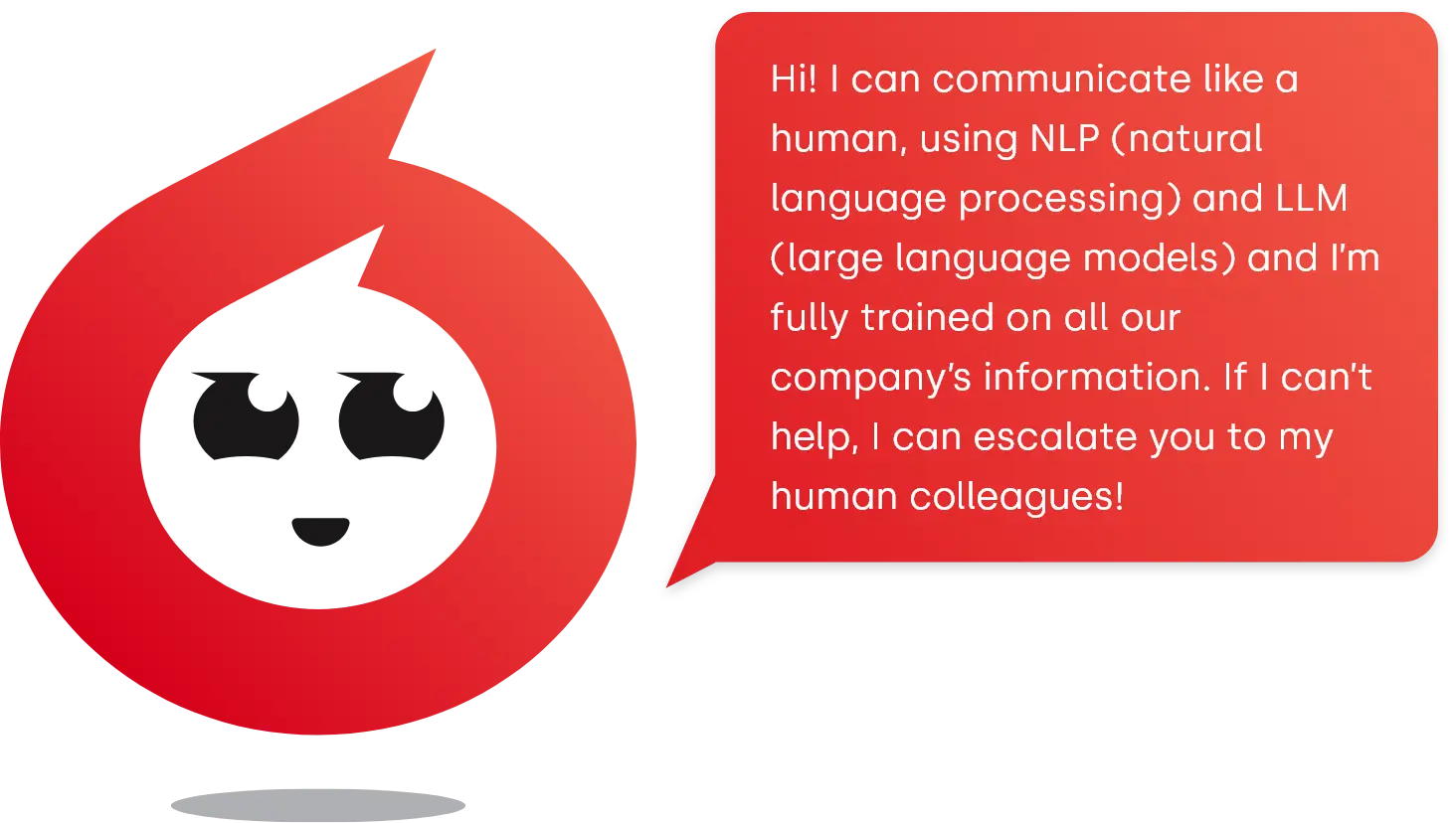
What Is an AI Agent for Housing Associations?
Within housing associations, an AI agent is best understood as a managed digital service layer rather than a simple conversational tool. It sits between residents and housing services, handling everyday interactions in a controlled, accountable way that reflects organisational policy, regulatory obligations, and service design.
Unlike basic chat interfaces that rely on human resourcing or fixed scripts and decision trees, AI agents are designed to work with the way residents actually communicate. They can interpret natural, informal language, recognise what someone is trying to achieve, and respond appropriately even when a request is unclear, incomplete, or expressed in different ways.
All responses are grounded in approved content and operational rules. This ensures that information shared with residents is consistent, accurate, and aligned with how services are meant to operate, rather than varying by channel or individual staff knowledge.
In practical use, an AI agent for housing associations can:
- Respond to open-ended resident questions without requiring structured inputs or keywords
- Identify the purpose of an enquiry across housing management, repairs, and support services
- Draw on approved service information and guidance to inform responses
- Adjust replies dynamically as the conversation develops
- Be refined over time through monitored performance and controlled updates
Crucially, AI agents are designed to support decision-making, not replace it. They operate within clearly defined limits and are built to involve human colleagues whenever an interaction requires judgement, discretion, safeguarding awareness, or case-specific assessment.
Creating a Clear Entry Point to Housing Services
For many residents, housing services can feel fragmented or difficult to navigate. Understanding where to start, which team is responsible, or what information is needed often leads to confusion and repeated contact.
An AI agent provides a single, consistent starting point for enquiries. Rather than asking residents to choose the right department, it helps shape the enquiry through conversation.
This includes:
- Asking relevant questions to clarify the nature of the request
- Explaining how the process works and what will happen next
- Identifying the most appropriate service or pathway
- Reducing the need for residents to make multiple contacts
By structuring access in this way, housing associations can simplify the resident journey while reducing avoidable pressure on customer service and housing management teams.
Managing Repairs, Appointments, and Service Interactions
Repairs and appointments remain one of the most resource-intensive areas of resident contact. Queries often extend beyond the initial request and include questions about timescales, access, responsibilities, and progress.
AI agents for housing associations can support this area by providing clear, consistent guidance throughout the process. They can:
- Explain how repairs are reported and prioritised
- Clarify what residents need to do before an appointment
- Provide approved updates or status information
- Answer common questions that would otherwise result in repeat calls
AI agents are not intended to take the place of core housing or repairs platforms. Instead, they sit alongside existing systems, answering day-to-day questions and clarifying processes before they reach staff. By giving residents clear information about what is happening and what to expect, AI agents help prevent confusion, limit repeat enquiries, and reduce avoidable back-and-forth between residents and service teams. This creates a calmer, more predictable flow of contact, allowing housing and repairs teams to focus on delivery rather than reassurance and explanation.
Supporting Residents Beyond the First Interaction
Housing-related interactions can extend beyond a single point of contact. After an initial enquiry has been made, residents may still need reassurance, clarification, or confirmation as a request moves through different stages. This is particularly true where services involve multiple teams, handoffs, or longer timeframes, such as repairs, tenancy changes, or income-related matters.
AI agents for housing associations help maintain continuity throughout these extended interactions by providing a reliable point of reference. Rather than requiring residents to repeat their situation or wait for updates, the AI agent can support them with clear, consistent information aligned to approved processes.
In practice, this includes the ability to:
- Reiterate guidance that has already been shared, reducing the risk of mixed messages
- Respond to follow-up questions using the same approved information regardless of channel or timing
- Set realistic expectations by explaining what is likely to happen next and when further updates may be available
- Identify when a conversation moves beyond defined limits, such as safeguarding concerns or case-specific issues, and route it to the appropriate team with relevant information
By reducing uncertainty and providing clarity at each stage, AI agents help prevent unnecessary repeat contact driven by a lack of information. Residents feel better informed and more confident in the process, even when an issue cannot be resolved immediately. For housing teams, this results in fewer reactive enquiries, improved continuity, and a more manageable flow of ongoing contact.
Handling Routine Enquiries at Scale
Housing associations frequently receive a high volume of enquiries that, while necessary, are often routine and predictable. These interactions are crucial for ensuring residents have the information they need to operate their tenancies effectively, but when handled manually, they can place a significant and disproportionate burden on staff time. Frontline teams often find themselves repeatedly responding to similar questions, limiting their capacity to focus on tasks that require judgement, empathy, or specialised expertise.
Typical examples of these routine enquiries include:
- Opening hours and contact routes – Residents commonly need to know when and how they can reach relevant teams, from phone lines to online portals.
- Eligibility and tenancy-related guidance – Questions about who qualifies for certain services, support schemes, or housing options are frequent and generally follow predictable patterns.
- Rent account processes and explanations – Residents often require clarification on rent calculations, payment methods, arrears procedures, or statements.
- Clarification of policies and procedures – Requests for understanding rules around repairs, maintenance, communal spaces, or neighbour relations are recurring and procedural.
AI agents for housing associations can address these enquiries instantly, accurately, and consistently, providing residents with immediate answers without compromising quality. By automating routine interactions, housing associations can free up staff time, enabling frontline teams to focus on higher-value work that involves complex decision-making, supporting vulnerable residents, or resolving situations that require personal attention. This not only improves operational efficiency but also enhances the resident experience by ensuring queries are resolved quickly and reliably.
Delivering Conversations That Adapt in Real Time
A key strength of modern AI agents is their ability to respond to the flow of a conversation rather than treating each message as a standalone request.
As a discussion progresses, the AI agent can:
- Take account of information already shared
- Refine guidance as the context becomes clearer
- Present next steps that are relevant to the current stage of the enquiry
Importantly, this conversational awareness is limited to the active interaction. AI agents do not depend on long-term personal profiles or unnecessary data retention. This supports a balance between responsiveness and compliance, ensuring residents receive helpful guidance without compromising privacy or governance.
Why Housing Associations Are Adopting AI Agents
Senior leaders and digital transformation teams are confronting real and persistent challenges across housing services, driven by rising demand, high administrative burden, and evolving resident expectations.
Balancing Growing Demand with Limited Resources
Across repairs, tenancy services, income management, and general enquiries, contact volumes continue to grow steadily. Yet, staffing levels often remain static due to budget constraints or recruitment challenges, leaving teams stretched. AI agents for housing associations can absorb a significant proportion of predictable, repeatable enquiries, allowing organisations to manage rising demand effectively without the need for continual expansion. By handling routine questions, these systems help maintain service levels even as resident contact increases.
Reducing Repetitive Workloads
Much of the contact received by housing teams is non-complex but essential. Routine updates on repairs, policy clarifications, rent account queries, and general service information can consume substantial staff time. While these interactions are critical to residents, they are often repetitive and do not require specialist knowledge. AI agents handle these enquiries instantly and consistently, freeing frontline staff to focus on cases that involve complexity, vulnerability, or direct support. This not only improves efficiency but also enhances staff satisfaction by reducing repetitive workloads.
Meeting Modern Resident Expectations
Resident expectations have shifted significantly in recent years. Easy and timely access to information now directly affects satisfaction, complaint levels, and regulatory compliance. Long wait times, inconsistent responses, or unclear processes can eat away at trust and impact organisational reputation. AI agents for housing associations provide round-the-clock access to accurate information, creating additional service capacity without placing further operational strain on teams. By offering reliable and immediate support, they help housing associations meet modern service expectations while maintaining consistency and quality.
Driving Strategic Transformation
Beyond operational efficiency, AI agents contribute to broader organisational goals. They enable smarter resource allocation, reduce backlogs, improve data capture for service planning, and support digital transformation initiatives. This positions housing associations to deliver more responsive, resident-focused services while optimising staff workload and operational costs.
Demonstrating the Benefits of AI Agents in Housing Services
For management teams, the value of AI agents in housing associations is practical, measurable, and directly linked to operational performance, cost management, and service quality. The National Housing Federation are welcoming the use of AI as outlined in this article.
Enhanced Efficiency and Staff Productivity
AI agents handle a large proportion of routine, predictable enquiries, significantly reducing the burden on frontline teams. By managing tasks such as tenancy guidance, repair updates, and rent account queries, AI agents shorten response times, reduce backlogs, and smooth demand across the working day. This allows staff to focus on complex cases that require judgment, empathy, or specialist knowledge, improving overall productivity and resident satisfaction.
Cost Management and Operational Control
Rising demand does not always coincide with increased staffing budgets. AI agents absorb predictable enquiry volumes without the need for additional staff, enabling organisations to manage costs more effectively while maintaining service quality. Over time, this reduces pressure on recruitment and training, while allowing resources to be directed toward high-priority or value-added activities.
Resilience During Peaks in Demand
Housing services are often subject to sudden surges in contact, whether due to policy changes, service disruptions, seasonal pressures, or external events. AI agents for housing associations provide immediate, scalable capacity to meet these peaks, maintaining service levels and preventing staff burnout. This resilience ensures continuity of service and helps organisations respond quickly and effectively to unexpected challenges.
Management Information and Insights
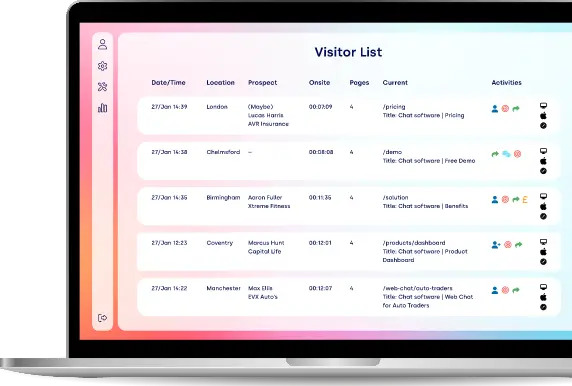
AI agents provide data-driven insights into enquiry patterns, service demand, and resident needs. These insights support decision-making, enable better resource planning, and inform continuous service improvement initiatives. By combining efficiency, resilience, and governance, AI agents position housing associations to deliver responsive, high-quality services while optimising costs and enhancing resident experience.
Safe, Compliant, and Trusted AI agents for Housing
Trust is the foundation of effective housing services. Residents need confidence that their personal, financial, and tenancy information is handled securely, responsibly, and transparently. Any breach of that trust can have serious consequences, including regulatory penalties, reputational damage, and reduced resident engagement. As housing associations increasingly adopt digital and AI-driven solutions, embedding security and compliance into every interaction is essential.
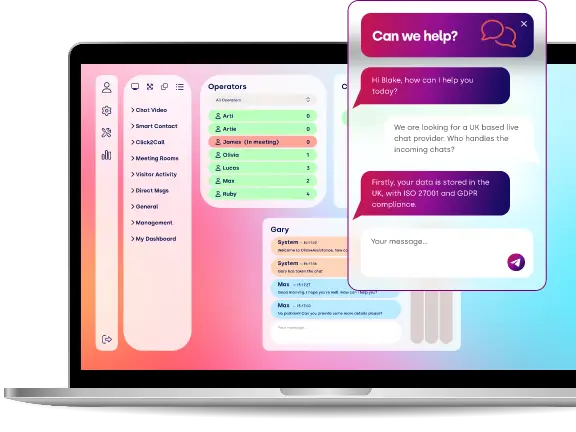
AI agents for housing associations are designed with these principles at their core. Platforms such as Click4Assistance are built to meet the rigorous standards required for public services. Key compliance and governance features include:
- GDPR-aligned data handling, ensuring personal data is processed lawfully, with clear purpose and appropriate retention.
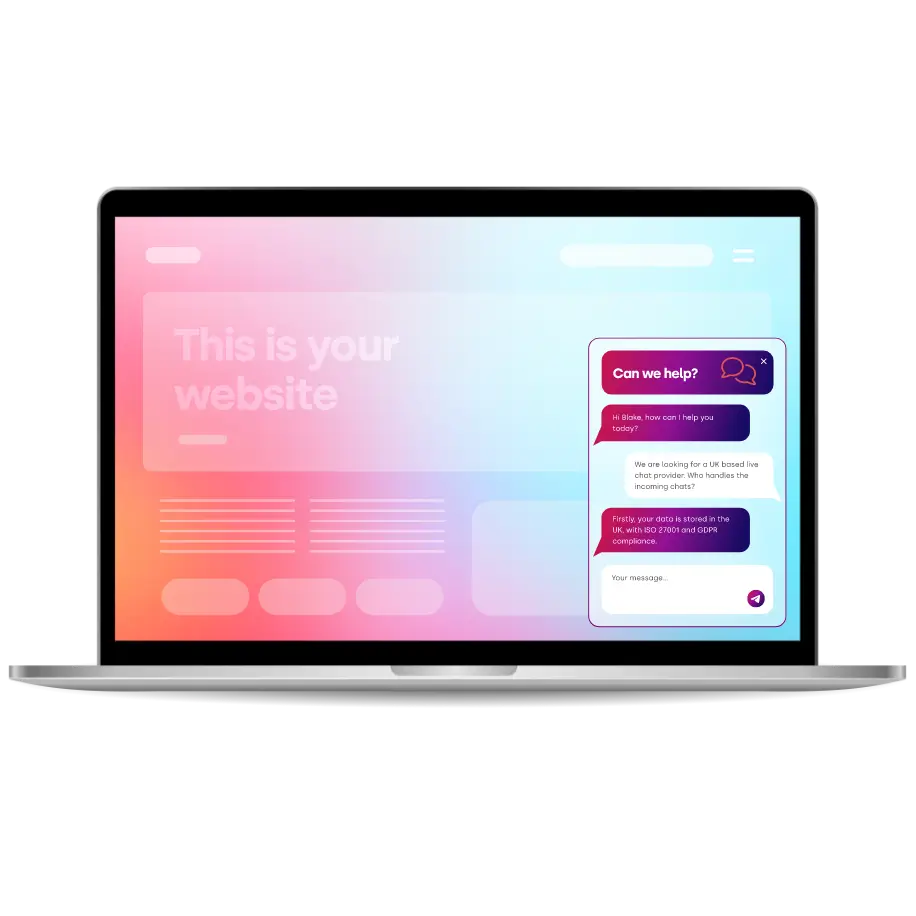
- Adherence to ISO 27001 information security standards, protecting data against unauthorised access, loss, or misuse.
- UK-based data hosting, ensuring resident information remains within secure, locally regulated data centres.
- Support for G-Cloud procurement requirements, aligning with public sector procurement and security expectations.
Beyond meeting regulatory standards, AI agents for housing associations incorporate operational safeguards that reinforce trust and resident confidence. These include:
- Minimal data collection, capturing only the information required to respond to enquiries.
- End-to-end encrypted interactions, securing communications between residents and the AI system.
- Clear transparency about when residents are interacting with AI, ensuring informed consent and understanding.
- Intelligent escalation processes, routing sensitive, complex, or high-risk enquiries to trained human teams to guarantee safe and appropriate handling.
Mitigating Risk and Building Resident Confidence
AI adoption carries inherent risks if not implemented with robust governance. By designing AI agents with compliance, security, and privacy principles at the centre, housing associations can actively reduce these risks. Minimal data collection, secure encryption, and GDPR-aligned processing limit the potential for data breaches, while clear escalation protocols ensure sensitive or complex enquiries are handled by trained staff.
This approach also strengthens resident confidence. When residents know their information is treated responsibly and consistently, they are more likely to engage with digital services, report issues promptly, and follow processes correctly. Transparent AI interactions reassure users that technology is supporting rather than replacing human oversight, fostering trust in both digital and traditional service channels.
From an organisational perspective, embedding governance reduces regulatory exposure and reputational risk. It provides a clear audit trail for compliance, supports reporting requirements, and creates operational visibility across enquiry handling. It also reinforces strategic objectives by demonstrating that innovation and digital transformation can coexist with accountability and resident protection.
By embedding security, compliance, and privacy from the outset, AI agents enable housing associations to provide modern, responsive services while upholding the highest standards of resident protection. This approach positions organisations not only to meet regulatory obligations but to lead in responsible innovation, transforming AI from a potential liability into a tool for trusted, efficient, and resident-focused service delivery.
See how Click4Assistance can transform your housing association.AI and Staff in Partnership
AI agents are designed to work alongside housing teams, complementing their expertise rather than replacing it. Routine and predictable enquiries, such as repair updates, rent account questions, and general policy guidance, are handled automatically and instantly. This allows staff to focus on cases that require human judgment, empathy, or specialist knowledge, such as complex tenancy issues, safeguarding concerns, or vulnerable resident support.
When a situation requires personal attention, the AI passes full context to the appropriate staff member, including any relevant history or data captured during the automated interaction. This ensures that every handover is seamless, residents do not have to repeat information, and staff can respond quickly and effectively.
The benefits of this hybrid approach are clear. Residents receive faster responses to routine enquiries while still having access to human support for more sensitive or complex issues. Staff experience reduced administrative burden and can dedicate time to meaningful work, increasing job satisfaction and productivity. Housing associations gain consistent, accurate communication across all channels, improved service reliability, and higher resident satisfaction, while the essential human element in care and decision-making is maintained.
By combining AI efficiency with human insight, housing services can deliver more responsive, reliable, and resident-focused support without compromising empathy, safety, or quality.
Implementing an AI Agent in Housing Associations
Successfully introducing an AI agent into a housing service requires careful planning, alignment with organisational priorities, and a focus on both residents and staff. The process begins with identifying the areas where AI can deliver the greatest impact. This often includes routine enquiries, such as repair updates, rent account queries, and policy clarifications, where automation can free staff to focus on complex or high-priority cases.
Next, it is essential to define clear boundaries for AI interactions. Organisations should establish what the AI can handle independently, and which situations require human oversight, particularly for sensitive issues or safeguarding cases.
Before a full rollout, testing with both staff and residents is critical. Pilot programmes allow teams to refine responses, identify gaps, and build confidence in the AI’s reliability. Monitoring performance during and after launch provides insight into usage patterns, highlights areas for improvement, and ensures compliance with data protection and governance standards.
Finally, scaling the AI agent should be evidence driven. Expanding its scope gradually, based on measurable results and resident feedback, ensures the system continues to deliver consistent, accurate service while maintaining trust and transparency. This structured, staged approach positions housing associations to implement AI safely and effectively, unlocking operational efficiency, improving resident experience, and supporting long-term service transformation.
Frequently Asked Questions (FAQs)
-
How can an AI agent help residents of housing associations?
AI agents provide instant answers to common questions, guide residents to the right services, and reduce waiting times, improving access and clarity.
- Is resident data secure when using an AI agent?
Yes. AI agents for housing associations are designed to operate within GDPR and ISO 27001 frameworks, using secure, UK-based data storage and encrypted interactions.
- Can an AI agent replace housing officers or customer service teams?
No. AI agents handle routine enquiries and escalate complex or sensitive issues to human staff, supporting rather than replacing teams.
- What services can an AI agent support?
Common use cases include repairs, tenancy enquiries, rent queries, policy information, and general service navigation.
-
How quickly can an AI agent be implemented?
Implementation timelines vary, but many organisations start with focused use cases and expand gradually once value is demonstrated.
Deliver Smarter, More Responsive Housing Services
As we have discussed, AI agents help housing associations handle routine enquiries quickly and accurately. Staff can focus on complex cases, backlogs are reduced, and residents receive consistent, reliable guidance. Compliance and security are built in, protecting sensitive data and maintaining trust.
Click4Assistance ARTI offers a practical solution that supports digital transformation, improves efficiency, and enhances resident experience. Speak to the Click4Assistance team today to discuss how ARTI can help your housing service respond faster, work smarter, and provide better support to residents.
Thousands Trust Us. Will You?
From live chat to AI-powered chatbots and social integrations, Click4Assistance powers real-time engagement - fully UK hosted and trusted across industries.