














How NCHA’s Live Chat Revolutionised Tenant Support - A Live Chat Success Story



Social housing has always been about people, but the way people communicate has changed dramatically over the last decade. Tenants now expect fast, flexible support that fits into their daily lives. They want answers without waiting on hold, without repeating themselves, and without the frustration of long email response times.
Nottingham Community Housing Association (NCHA) has come a long way since it was founded in 1973. What began as a local housing provider has grown into one of the East Midlands’ most influential social housing and care organisations, managing more than 10,000 homes and supporting over 20,000 residents across multiple counties.
But NCHA’s growth is not only measured in numbers. It’s measured in the way the organisation has adapted to change, especially how it listens to tenants and supports them in the moments that matter.
A striking example of this adaptability is NCHA’s early adoption of live chat for customer support. Back in 2013, when many housing providers were still relying on traditional phone and email support, NCHA became one of the first social housing organisations in the UK to introduce real-time digital communication. It partnered with Click4Assistance, a move that would reshape the tenant experience for over a decade.
This blog explore a live chat example: why NCHA took this step, what the live chat for housing associations implementation involved, and the long-term impact it has had on tenant satisfaction, operational efficiency, and service delivery.
Why NCHA Needed a New Way of Communicating
NCHA understood this shift early on. The organisation was dealing with:
- High volumes of enquiries, especially during busy periods
- A need to reduce pressure on frontline staff
- A diverse tenant base with varying needs and communication preferences
- The requirement to maintain accurate records and meet regulatory standards
- A desire to improve tenant engagement through digital channels
The problem was not a lack of willingness to help, it was the limitations of traditional communication methods. Phone lines could be busy, email responses could be slow, and some tenants simply found voice calls stressful or inaccessible.
NCHA needed a channel that was fast, accessible, and scalable. That’s where the live chat widget came in.
The Bold Move: Introducing Live Chat in 2013
In 2013, NCHA implemented Click4Assistance live chat for customer service. This was a significant step at a time when many social housing providers were not yet ready to embrace digital customer service.
This wasn’t just a new tool. It represented a new mindset: service should adapt to tenants’ lives, not the other way around.
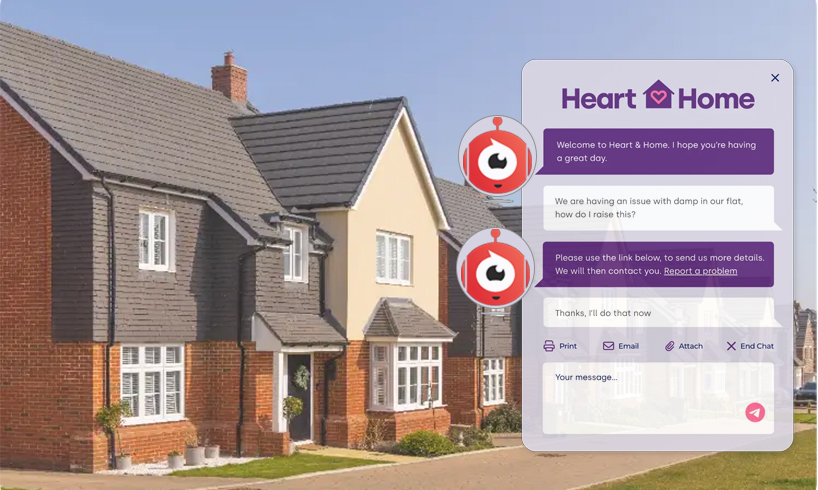
Live chat was integrated directly into NCHA’s website, giving tenants the ability to connect instantly with support staff. It was particularly powerful because it was embedded in the parts of the website where tenants needed help most: repairs, rent, and housing applications.
This meant support was not only available, but also contextual.
What Made the Live Chat Solution Effective?
NCHA did not introduce live chat for housing associations simply because it was a new technology. The organisation chose it because it met real needs and produced real results. The success of the system can be traced to six core strengths.
1. Instant Responses Without the Wait
One of the most significant benefits of live chat was the ability to remove the frustration of long waits. For tenants, calling a helpline often meant being placed on hold, having to repeat information, or waiting for an email response that could take days. The live chat widget changed this dynamic. Tenants could type their questions and receive an answer in real time.
This instant response was not only more convenient, it also reduced anxiety and uncertainty. For many residents, getting a quick answer meant they could move forward with repairs, rent issues, or housing applications without feeling stuck. Even a small improvement in response time had a major impact on the overall tenant experience.
2. Support Where It Matters Most
A common barrier to accessing support is knowing where to look. Many tenants do not have the time or confidence to search through a website for contact details. The live chat service removed this obstacle by placing support directly on the pages where tenants were already seeking help.
Whether tenants were on a repairs page, looking at rent payment options, or completing an application, the chat function was available immediately. This context-based support reduced confusion and made it easier for tenants to get help quickly. Therefore, the service was not just available, it was also relevant and convenient.

3. A Mobile-Friendly Channel
A growing number of tenants use smartphones or tablets as their primary means of accessing services. For many people, mobile devices are the most convenient way to communicate. Live chat was designed to work seamlessly across all devices, which made it accessible to a wider audience.
This mobile-friendly approach was especially important for younger tenants and those who prefer digital communication over voice calls. It also helped residents who may not have regular access to a computer. By offering a channel that was easy to use on mobile, NCHA ensured that support was available to people wherever they were, and whenever they needed it.
4. Staff Could Manage Multiple Conversations
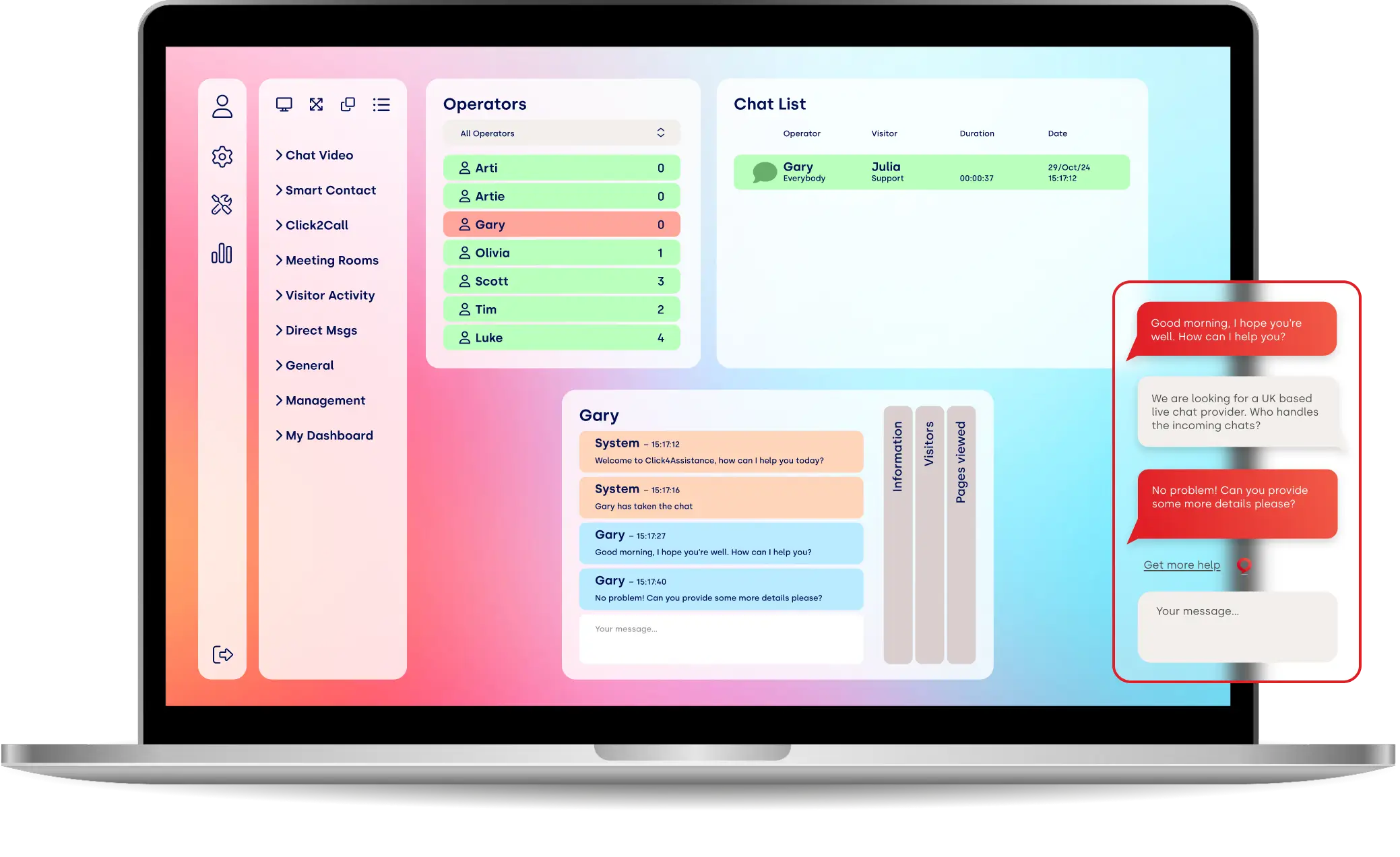
Traditional phone support can be limited because one staff member can only handle one call at a time. Live chat for customer service changed this by allowing staff to manage multiple conversations at once. This was a major efficiency gain.
During peak periods, the ability to respond to several tenants simultaneously meant that more enquiries could be handled in a shorter time. It also reduced the pressure on staff and prevented delays in service. Rather than increasing staffing levels, NCHA was able to improve productivity by using technology to manage demand more effectively.
5. Secure Data Handling
A vital consideration for any social housing provider is the protection of tenant data. NCHA was careful to ensure that the live chat service met high standards for security and compliance. Click4Assistance offered secure storage of chat transcripts within the UK, helping to support compliance with data protection regulations.
This level of security gave both staff and tenants confidence in the system. Tenants could discuss personal matters knowing their information was handled safely. For NCHA, the secure storage of transcripts also helped ensure that communications were auditable and could be used for reporting and regulatory purposes when needed.
6. Insights for Improvement
Live chat was not only a communication tool; it also provided a valuable source of insight. Each conversation created a record of the questions tenants were asking and the issues they were facing. Over time, this data became a powerful tool for improvement.
By reviewing chat transcripts, NCHA could identify recurring problems and adjust services accordingly. The organisation could update FAQs, improve website content, refine processes, and identify areas where additional support was needed. This continuous learning loop helped reduce the volume of repeat enquiries and improved the overall quality of service.
The Real Impact: What Changed for Tenants and Staff
More than 12 years later, the live chat service is a core part of NCHA’s tenant support strategy. Its impact can be seen in several areas:
Improved Accessibility and Tenant Satisfaction
Live chat gave tenants a more convenient way to access support, leading to better experiences and more positive interactions. For many residents, the ability to get help instantly made a real difference.
Reduced Pressure on Phone Lines
By diverting routine enquiries to live chat, NCHA reduced call volumes and wait times. This allowed staff to focus on complex cases and provide better service overall.
Greater Staff Efficiency
Staff could handle more enquiries without additional resources. This increased productivity during peak periods and improved responsiveness.
Stronger Tenant Feedback
According to the Tenant Satisfaction Measures report, 69% of NCHA customers are satisfied with the service, and 86% feel treated fairly and with respect. These figures reflect the organisation’s commitment to person-centred support which is strengthened by digital innovation.
Why NCHA’s Approach Is a Model for Social Housing Providers
NCHA’s live chat journey offers a valuable lesson: digital transformation in social housing is about putting tenants at the centre of service design.
Here are a few reasons NCHA’s approach is worth emulating:
Digital Tools Should Enhance Human Support
Live chat didn’t replace phone or email. It complemented them, giving tenants choice and flexibility.
Accessibility Must Be Built In
The success of live chat for housing associations depends on being easy to use and accessible across devices.
Long-Term Commitment Matters
NCHA didn’t treat live chat as a short-term experiment. Over 12 years, it has continued to invest and improve the channel.
Data Should Drive Service Improvement
Chat transcripts offered insights into recurring issues, helping NCHA improve processes and reduce future demand.
NCHA: A Strong Example of Modern Tenant Support
NCHA’s decision to adopt live chat in 2013 was ahead of its time. It showed a willingness to innovate, a commitment to tenant experience, and a clear understanding of how digital tools can support people in real life.
For housing associations looking to modernise their services, NCHA offers a compelling blueprint:
- Use digital channels to improve accessibility
- Focus on real-time support
- Ensure solutions are secure and compliant
- Use data to drive continuous improvement
- Build services around tenant needs
NCHA’s experience with live chat proves that innovation in social housing is achievable and can make a meaningful difference.