













AI Agent for Business Websites in 2026
In this article, we'll explore what an AI agent for business websites is, how it functions, its key benefits, implementation strategies, real-world use cases, and emerging trends to watch in 2026 and beyond.
AI agents for business websites are transforming how UK companies engage customers in 2026. Unlike traditional chatbots, AI agents use advanced natural language processing and machine learning to deliver human-like conversations, automate customer support, generate qualified leads, and increase website conversions. Businesses are increasingly adopting AI-powered automation to provide 24/7 support, reduce operational costs, and create more personalised digital experiences that improve engagement and sales performance.
Table of Contents
- How does an AI agent work?
- Why Your Business Website Needs an AI Agent in 2026
- AI Agent vs Traditional Chatbot
- Use Cases of AI Agents on Business Websites
- Top Features to Look for in an AI Agent for Business Websites
- How to Implement an AI Agent on Your Business Websites
- Benefits of AI Agents Over Human Agents
- Challenges to Consider
- SEO Benefits of Having an AI Agent on Your Website
- Frequently Asked Questions (FAQs)
- Conclusion: Don’t Just Have a Website - Have a Conversation
What Is an AI Agent for Business Websites?
An AI agent is an intelligent system embedded into a website that understands user intent, answers questions, automates workflows, and assists with sales and support. It goes beyond scripted chatbots by using machine learning and natural language understanding to deliver contextual, personalised interactions in real time.
How Does an AI Agent Work?
An AI agent for a business website is much more than just a simple chatbot — it’s a highly advanced, self-sufficient system that harnesses the latest AI technologies to create seamless, human-like digital interactions. Let’s dive into the key components and how they work behind the scenes in systems designed for 2026:
1. Natural Language Processing (NLP)
At the heart of every effective AI agent lies Natural Language Processing (NLP), the AI capability that enables machines to understand, interpret, and generate human language naturally. NLP allows the AI to:
- Understand user intent even when phrased differently (e.g., “I need help with my order” vs. “Where is my package?”).
- Extract key information such as names, dates, order numbers, or issues from user input.
- Respond with contextually relevant answers using natural sentence structures.
Contemporary AI agents are powered by advanced NLP models, like GPT-4 and Google's BERT variants, which go beyond simple keyword matching. They actually understand tone, intent, sentiment, and idiomatic expressions. This results in interactions that feel much smoother, more natural, and far less robotic for users browsing websites.
2. Machine Learning (ML)
Machine Learning allows an AI agent to continuously learn and improve from real user interactions. By analysing large datasets of past interactions, ML helps the AI to:
- Identify common patterns in customer queries and improve accuracy.
- Optimise response suggestions based on past successful resolutions.
- Personalise interactions using behavioral data, such as purchase history or user journey.
When users ask about a particular product feature and then decide to leave the page, the AI can step in to tweak its responses, recommend helpful support articles, or even start proactive chats to keep them engaged on the site. Over time, the AI becomes smarter, more relevant, and way more effective at connecting with users.
3. Conversational Design
Conversational design is the strategic creation of AI-human interactions combining psychology, UX design, and AI logic to make the conversation feel natural and goal-oriented. Key elements include:
- Predefined scripts for common queries or flows (like “How do I reset my password?”).
- Intent recognition to understand the purpose behind a user's message.
- Dynamic branching logic, which allows the AI to adapt conversations in real-time.
- Fallback protocols that route the conversation to a human agent when the AI can't resolve the issue.
A well-designed AI agent doesn’t just answer questions - it guides users through entire workflows, from troubleshooting steps to purchase decisions or onboarding processes.
4. Backend Integration
For an AI agent to deliver real value, it must be deeply integrated with your business systems. Backend integration enables it to pull and push data across platforms, creating a seamless experience for the user. Typical integrations include:
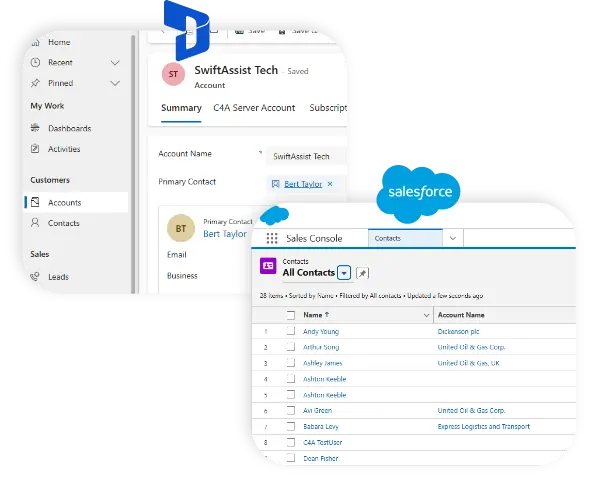
- CRM systems (e.g., Salesforce, HubSpot) for customer data retrieval and updates
- Enterprise Resource Planning (ERP): For inventory status, order tracking, and logistics.
- Calendars and Booking Systems: For scheduling appointments, meetings, or demos.
- Payment Gateways: For invoice generation or guiding customers through purchases.
For example, if a user asks, “Can I reschedule my delivery?”, the AI can instantly check the order status via ERP, verify the user via CRM, and then trigger a rescheduling flow — all without human intervention.
5. Task Execution and Automation
Modern AI agents are powerful automation engines, not just conversational tools. They can handle a wide range of actions, including:
- Answering FAQs using structured data or dynamic lookup.
- Filling out and submitting forms on behalf of the user.
- Making personalised product recommendations based on browsing behavior or preferences.
- Qualifying leads by asking questions and scoring answers.
- Booking appointments or demos with calendar syncing.
- Troubleshooting by walking users through step-by-step workflows.
- Escalating to human agents seamlessly when needed, often passing along the context to reduce friction.
This combination of natural language processing, machine learning, conversational design, backend integration, and task automation allows AI agents to act as proactive digital assistants. They help enhance engagement, drive conversions, and improve operational efficiency.
Why Your Business Website Needs an AI Agent in 2026
- 24/7 Customer Support
AI agents provide instant support without breaks, holidays, or time-zone issues. This enables your business website to assist UK and global customers 24/7 without hiring night-shift teams or expanding staff.
- Enhanced User Engagement
An AI agent transforms static website visits into interactive, personalised sessions. Users stay longer, explore more pages, and convert at higher rates. This increased engagement helps improve key SEO metrics like dwell time and reduces bounce rates.
- Lead Generation and Qualification
AI agents can engage site visitors through lead capture forms, quizzes, or interactive conversational flows to qualify leads in real time and sync data to your CRM. By capturing high-quality leads automatically, your sales team can focus on closing deals instead of chasing unqualified prospects.
- Sales Conversion Optimisation
Product recommendation engines, guided shopping assistants, and personalised offers powered by AI behavioral insights can boost sales conversions significantly. Visitors receive tailored suggestions, making purchases more likely and improving average order value.
- Scalability
Whether your site receives 100 visitors or 100,000, an AI agent scales effortlessly, handling high volumes of interactions simultaneously without impacting website performance or response quality.
- Cost Reduction
AI agents reduce the need for large customer support teams, lowering operational costs while maintaining or increasing service availability. This allows businesses to deliver professional, responsive support without additional headcount.
AI Agent vs Traditional Chatbot
While traditional chatbots rely on predefined scripts and rule-based responses, AI agents use natural language processing and machine learning to understand intent, manage context and provide more personalised interactions.
| Feature | Traditional Chatbot | AI Agent |
|---|---|---|
| Conversation style | Scripted | Dynamic |
| Natural language understanding | Limited | Advanced |
| Context awareness | Minimal | High |
| Best suited for | Basic FAQs | Support, sales and automation |
Use Cases of AI Agents on Business Websites
Let’s explore how various industries are leveraging AI agents effectively:
E-commerce
- Product finders that provide personalised recommendations based on visitor preferences
- Automated order tracking and delivery updates
- Upsell and cross-sell prompts during checkout to increase average order value
- Post-purchase follow-ups for reviews, promotions, or support
Healthcare
- Patient symptom checkers and triage support
- Appointment scheduling assistants integrated with calendars and clinic systems
- Insurance verification bots for faster approvals
- Mental health support agents providing guidance and resources
Professional Services
- Live chat for legal, financial, or consulting services that qualifies leads before escalation to human experts
- Client onboarding assistance streamlining forms and document submission
- Intake forms with AI guidance for faster processing and fewer errors
Hospitality
- Booking bots for rooms or restaurants
- Multilingual travel guides to support international customers
- Concierge-style virtual assistants that answer FAQs, suggest packages, or handle reservations
Education
- Student support bots answering course, schedule, and enrolment queries
- Admission assistance to streamline applications and document collection
- Online tutoring interfaces providing instant help and personalised learning paths
Top Features to Look For in an AI Agent for Business Websites
Choosing the right AI agent for your business website can be a game-changer — but not all AI agents are created equal. To deliver a seamless, intelligent, and impactful user experience, your AI solution needs to go beyond basic chat functionality.
Below are the top features to look for in a 2026-ready AI agent, ensuring it drives engagement, automates workflows, and boosts conversions:
1. Multilingual Support
In today’s global marketplace, serving a multilingual audience isn’t optional — it’s essential. Your AI agent should be capable of:
- Understanding and responding in multiple languages, not just translating text.
- Automatically detecting a user’s preferred language based on browser settings or input.
- Switching languages mid-conversation if needed (especially in multicultural regions).
Sophisticated AI agents make use of NLU models that are trained in multiple languages, ensuring they grasp nuances in understanding, tone, and cultural context. This allows your business to connect with a diverse audience while maintaining professionalism and clarity.
2. Voice-to-Text and Text-to-Voice Functionality
As voice search and voice interaction become increasingly popular (especially on mobile and smart devices), AI agents that support voice communication offer a serious edge.
Look for agents with:
- Voice-to-text capabilities: Users can speak instead of typing, improving accessibility and user convenience.
- Text-to-voice responses: The AI can speak its replies using realistic, human-like voices.
- Speech sentiment analysis: Some advanced systems can detect emotion or urgency in tone.
Voice capabilities are particularly valuable for industries like healthcare, travel, retail, and automotive, where hands-free interactions enhance user experience.
3. Contextual Understanding and Memory
An effective AI agent should remember user context and prior interactions to deliver a personalised and coherent experience. Contextual understanding includes:
- Session memory: Retaining user information during the conversation (e.g., remembering the customer’s name, previous questions, or preferences).
- Long-term memory (where applicable): Recalling past visits or purchases if the user is logged in or identifiable.
- Understanding relationships between topics: If a customer is asking about a delayed order, the AI should connect that to shipping, payment status, or returns.
This conversational continuity improves trust, user satisfaction, and overall engagement — differentiating a smart AI agent from a simple chatbot.
4. CRM & Third-Party Integrations
Your AI agent doesn’t live in a vacuum — it needs to be part of your broader digital ecosystem. Integration with existing tools ensures that the AI can pull in relevant data, update records, and trigger workflows. Key integrations to look for include:
- Customer Relationship Management (CRM) tools (like Salesforce, HubSpot, Zoho): For accessing customer profiles, lead scoring, and tracking interactions.
- E-commerce platforms (like Shopify, WooCommerce, Magento): For checking product availability, order status, or processing returns.
- Booking or calendar systems (like Calendly or Google Calendar): For appointment scheduling or demo bookings.
- Support ticketing systems (like Zendesk, Freshdesk): For creating, updating, or escalating tickets.
- Payment gateways (like Stripe, PayPal): For guiding customers through payment flows or resolving billing issues.
With deep integrations, the AI agent can perform meaningful actions — not just answer questions — making it a front-line business tool.
IBM explains that enterprise chatbots can integrate with business systems like CRM, ERP, and ticketing tools to deliver unified experiences and powerful automation outcomes.
5. Analytics and Performance Tracking
To continuously improve your AI agent’s performance, you need real-time analytics and comprehensive reporting tools. These features allow you to:
- Monitor KPIs like user engagement, resolution rate, average conversation duration, and handoff frequency.
- Track user sentiment and satisfaction via surveys or sentiment analysis.
- Identify conversation drop-offs or failed responses that indicate gaps in your AI's training.
- Support ticketing systems (like Zendesk, Freshdesk): For creating, updating, or escalating tickets.
- Payment gateways (like Stripe, PayPal): For guiding customers through payment flows or resolving billing issues.
Actionable insights from analytics help you fine-tune your bot’s behavior, measure ROI, and make informed decisions about future improvements.
6. Omnichannel Deployment
Modern users engage with businesses across multiple platforms. Your AI agent should be able to deliver consistent, synchronized experiences across all major channels, including:
- Website chat widgets (desktop and mobile)
- Mobile apps (native in-app chat)
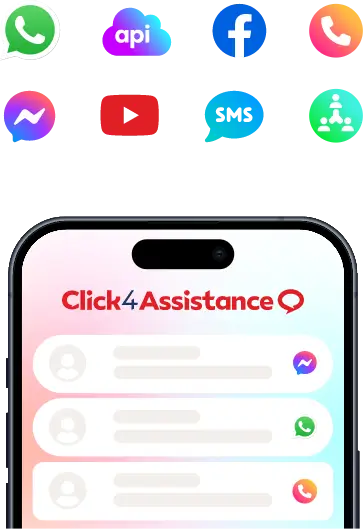
- Social media messengers (e.g., Facebook Messenger, Instagram DM, WhatsApp)
- Email and SMS
- Voice platforms (e.g., Alexa, Google Assistant)
Omnichannel capability ensures users can continue conversations seamlessly across devices and platforms, boosting engagement, reducing friction, and increasing loyalty.
Some AI platforms offer centralised dashboards to manage all these channels, allowing agents and admins to view cross-channel interactions in one place.
Bonus Features Worth Considering
While the features above are essential, there are additional capabilities of an AI agent for business websites that can add significant value depending on your business type:
Human Handoff Capabilities
- Allows seamless transfer of the conversation to a live agent when needed.
- Maintains context so users don’t have to repeat themselves, reducing friction and improving satisfaction
Security & Compliance
- Encryption, data masking, and user consent management.
- Compliance with GDPR, CCPA, HIPAA, or industry-specific regulations.
AI Training Tools
- Easy-to-use interfaces for updating intents, adding FAQs, or retraining the model.
- Integration with knowledge base articles and user guides.
Custom Branding and Voice
- Align the AI agent’s tone, language, and visual design with your brand identity.
Choosing an AI agent with these advanced capabilities ensures that your business website doesn’t just “talk” — it connects, understands, and delivers measurable results. Whether you’re a small business owner or managing a large enterprise, these features help scale support, boost engagement, and convert more visitors into loyal customers.
Research published in the Journal of Theoretical and Applied Electronic Commerce Research confirms that AI chatbots are becoming essential components of digital business transformation strategies.
See Click4Assistance in Action
Schedule a demo with our experts and explore the power of live chat and AI-driven engagement tools tailored to your business.

How to Implement an AI Agent on Your Business Website
Step 1: Define Objectives
Are you looking to improve support, drive sales, collect leads, or all of the above? Define clear goals before you build or choose a solution.
Step 2: Choose a Platform or Build Custom
You can use platforms like:
- Drift
- Intercom
- Tidio
- Zendesk AI
- Click4Assistance
Custom-built AI agents using GPT, Rasa, or Dialogflow.
Step 3: Design Conversational Flows
Create user scenarios, define intents, and set up responses. Use branching logic to create dynamic experiences.
Step 4: Integrate with Website and Tools
Embed the chatbot on your site and connect it with backend tools (e.g., CRM, support ticketing, or product databases).
Step 5: Train and Test
Use real data to train your AI. Test for edge cases, intent mismatch, and UX hiccups.
Step 6: Launch and Monitor
Track KPIs like:
- Engagement rate
- Conversion rate
- Drop-off points
- Customer satisfaction scores (CSAT)
Refine based on analytics.
Benefits of AI Agents Over Human Agents
| Feature | AI Agent | Human Agent |
|---|---|---|
| Availability | 24/7 | Limited hours |
| Response Time | Instant | Delayed during peak times |
| Scalability | Highly scalable | Requires more hiring |
| Cost | One-time/setup + maintenance | Ongoing salaries/benefits |
| Consistency | Always consistent | Varies by agent |
| Personalisation | High (with AI/ML models) | Medium |
Challenges to Consider
While AI agents offer numerous advantages, there are some challenges to plan for:
- Initial setup complexity: Requires time and technical expertise.
- Handling edge cases: Not all conversations can be automated; some will require human takeover.
- Data privacy: Ensure your AI agent complies with data protection laws like GDPR or CCPA.
- Tone and branding: AI agents need to reflect your brand voice accurately.
Pro tip: Always have a smooth handoff to a human agent when needed.
SEO Benefits of Having an AI Agent on Your Website
Yes, even your SEO can benefit from an AI agent:
- Lower bounce rates: AI agents engage users before they leave.
- Higher time-on-site: Chat-based interaction keeps visitors involved.
- Better conversion tracking: AI can assist with form completions and lead tracking.
- Content discovery: Helps users find relevant blogs, product pages, or support articles quickly.
Why UK Businesses Are Adopting AI Agents
Businesses across the UK are increasingly using AI agents to improve customer service efficiency, reduce repetitive enquiries and provide faster online support experiences.
For sectors such as housing, education, healthcare and local government, AI agents can also help organisations manage high enquiry volumes while supporting GDPR compliance and secure customer communication.
- 24/7 support without increasing staffing costs
- Faster response times for customer enquiries
- Improved lead qualification and routing
- Better customer engagement on websites
- Reduced pressure on support teams
Frequently Asked Questions (FAQs)
- What is an AI agent for business websites?
An AI agent is essentially a clever software tool that uses technologies like natural language processing (NLP) and machine learning to engage with visitors in a way that feels natural.
- How does an AI agent work?
AI agents make use of natural language processing (NLP) to understand what users are asking. They leverage machine learning to keep getting better over time and link up with backend systems like CRM and e-commerce platforms to provide accurate, context-aware responses.
- What are the main benefits of using an AI agent on my website?
The main benefits include 24/7 support, improved user engagement, automated lead generation and qualification, higher sales conversion rates, reduced support costs, and the ability to scale easily.
- Can an AI agent understand multiple languages?
Absolutely, advanced AI agents can grasp various languages, recognise a visitor's preferred language, and respond accordingly. This capability is essential for connecting with global audiences.
- Do visitors need to type to talk to the AI agent?
Not always, there are many modern AI tools that provide both voice-to-text and text-to-speech features, allowing users to ask questions out loud and hear the answers.
Conclusion: Don’t Just Have a Website - Have a Conversation
In 2026, a static website isn't enough. To win in the digital age, businesses must offer intelligent, interactive, and always-available online experiences. That’s where the AI agent for business websites comes in.
From improving customer satisfaction to driving conversions and reducing operational costs, AI agents are an investment that pays exponential returns. Whether you're a startup or an enterprise, now is the time to integrate AI into your digital strategy.
Key Takeaways
- An AI agent automates support, sales, and engagement on your website.
- It enhances user experience, reduces costs, and boosts conversions.
- Implementation requires clear goals, quality data, and ongoing optimisation.
- Trends like voice interaction and emotional intelligence are on the rise.
If you’re ready to take your website to the next level, an AI agent for your business website might be the smartest digital move you make this year.
Thousands Trust Us. Will You?
From live chat to AI-powered chatbots and social integrations, Click4Assistance powers real-time engagement - fully UK hosted and trusted across industries.