















End of Financial Year Budget Planning: Boost ROI with Automation





As the financial year draws to a close, many organisations find themselves focused on final reconciliations, reporting, and ensuring everything is in order. While this period is often associated with ‘closing the books’, it also presents a valuable and often underused opportunity to step back, reassess, and plan more effectively for the year ahead.
Rather than viewing year-end as purely administrative, forward-thinking teams use it as a strategic checkpoint. It is the ideal moment to evaluate how budgets have been spent, identify inefficiencies, and make informed decisions about where investment will deliver the greatest impact moving forward.
Importantly, this process is not about cutting costs for the sake of it. It is about reallocating budget intelligently, improving performance, and creating sustainable, long-term savings.
Reflecting on the past year with purpose
Before planning for the forthcoming year, it is essential to understand what has and has not worked over the past twelve months. This means going beyond surface-level budget reviews and asking more meaningful questions:
- Which tools and platforms delivered measurable value?
- Where did teams spend the most time manually handling tasks?
- Which processes created bottlenecks or delays?
- Where were there areas of duplicated effort across departments?
In many organisations, technology stacks have grown organically. New tools are added to solve immediate problems, but over time, this can lead to overlap, underutilisation, or even complete redundancy.
Year-end is the right time to audit these tools properly. Often, businesses discover they are paying for platforms that are rarely used or not using existing solutions to their full capability.
How to Identify Underutilised Tools
One of the most common findings during a budget reassessment is that existing tools are not being used effectively. This can happen for several reasons:
- Lack of training or onboarding
- Features that are not widely understood
- Processes that have evolved without revisiting the original toolset
- Teams reverting to manual workarounds
Rather than immediately investing in new solutions, organisations should first look inward. There is often significant untapped value in tools already in place.
For example, customer success and support software can include automation features that are either switched off or only partially implemented. Similarly, workflow systems may have capabilities that could eliminate repetitive tasks but are not being utilised.
Unlocking this potential can deliver quick wins without requiring additional spend.
How to Prioritise High ROI Investment
Once inefficiencies and gaps have been identified, the next step is to prioritise where budget should be allocated for the greatest return on investment.
High ROI spend is not always about large-scale transformation. In many cases, targeted improvements can deliver substantial benefits. These typically fall into three key areas:
1. Customer support automation
Customer expectations for fast, consistent support continue to grow. At the same time, support teams are under increasing pressure to handle higher volumes without expanding headcount.
Automation offers a practical and scalable solution.
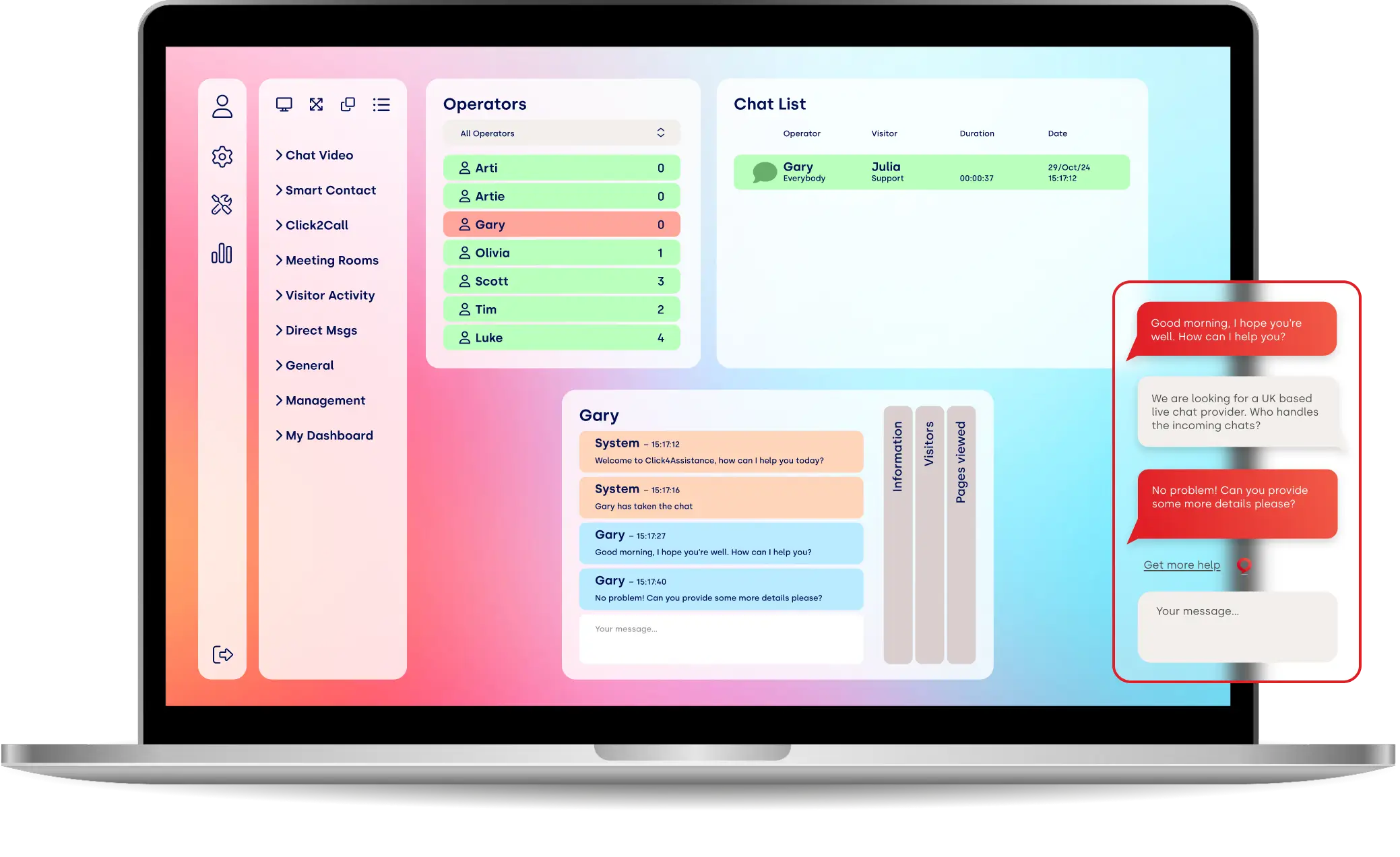
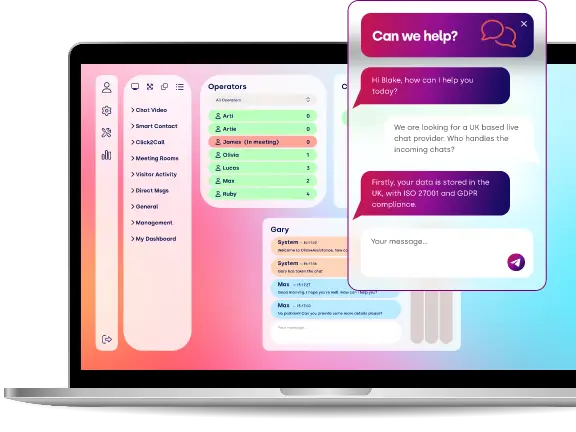
Implementing AI-powered customer engagement tools can significantly reduce the number of routine enquiries handled by human agents. Common queries such as delivery information, account updates, or basic troubleshooting can be resolved instantly, 24/7.
This has several benefits:
- Reduced workload for support teams
- Faster response times for customers
- Improved consistency of information
- Lower operational costs
Importantly, an AI agent for customer support does not replace human support, it enhances it. By handling repetitive queries, chatbots free up agents to focus on more complex, high-value interactions where human input makes the greatest difference.
2. Workflow automation
Beyond customer support, many internal processes still rely heavily on manual input. Tasks such as data entry, approvals, routing enquiries, and reporting can consume significant time and resource.
Workflow automation addresses this by streamlining processes and reducing the need for manual intervention.
For example:
- Automatically routing customer enquiries to the correct department
- Automatically triggering next steps based on customer activity
- Generating reports without manual compilation
- Managing internal approvals with minimal friction
The result is not only improved efficiency but also reduced risk of human error and greater consistency across operations.
When reviewing budgets, investing in workflow automation often delivers a strong return because it impacts multiple areas of the business simultaneously.
3. Reducing labour-intensive processes
Labour costs are one of the largest expenses for most organisations. However, reducing labour costs does not necessarily mean reducing headcount.
Instead, it is about ensuring that skilled employees are spending their time on meaningful, value-driven work rather than repetitive administrative tasks.
By introducing automation in the right areas, businesses can:
- Increase productivity without increasing team size
- Improve employee satisfaction by removing monotonous tasks
- Enable teams to focus on strategic initiatives
- Scale operations more effectively
This shift is particularly important in customer-facing roles, where time spent on repetitive queries can limit the ability to deliver high-quality service.

Reallocating budget rather than reducing it
A key message for finance and operational leaders is that optimisation is not the same as spend reduction. Cutting budgets without a clear strategy can often lead to reduced performance, lower morale, and missed opportunities. In contrast, reallocating budget based on evidence and insight allows organisations to do more with what they already have. Utilising the ‘Three E’s (economy, efficiency and effectiveness) helps organisations deliver great value for money.
For example:
- Redirecting spend from underused software licences to an omnichannel messaging platform
- Investing in training to maximise the benefits achievable
- Shifting budget from manual processes to scalable digital solutions
This approach ensures that every pound spent contributes directly to improved outcomes.
How to Build a More Resilient and Scalable Operation
One of the long-term benefits of reassessing budgets is increased resilience. Organisations that rely heavily on manual processes are often more vulnerable to fluctuations in demand, staff absence, or unexpected disruptions. In contrast, those that invest in automation and efficient workflows are better positioned to adapt.
Scalability is another key advantage. As demand grows, automated systems can handle increased volume without a proportional increase in cost. This creates a more sustainable growth model.
Practical steps to take now
To make the most of the financial year-end, organisations can take a structured approach:
Conduct a technology and process audit
Review all existing tools and platforms. Identify what is being used, what is underutilised, and what may no longer be necessary.
Analyse support and operational data
Look at customer enquiry volumes, response times, and resolution rates. Identify patterns and opportunities for automation.
Engage with teams on the frontline
Frontline employees often have the clearest insight into inefficiencies. Gather feedback on where time is being lost and what could be improved.
Define clear ROI criteria
Establish how success will be measured for any new or existing investment. This could include time saved, cost reduction, or improved customer satisfaction.
Prioritise quick wins
Focus on changes that can be implemented relatively quickly and deliver immediate impact. An ai agent for customer support is often a strong starting point.
Plan for phased implementation
Not everything needs to change at once. A phased approach allows for testing, learning, and refinement.
The role of customer support automation in 2026 and beyond
As we move further into 2026, customer expectations and operational pressures are only set to increase. Businesses that embrace automation now will be better equipped to meet these challenges.
Ai powered Customer Engagement tools are no longer a luxury add-on. It is becoming a core component of efficient, modern service delivery.
When implemented thoughtfully, it can:
- Enhance the customer experience
- Improve operational efficiency
- Reduce costs over time
- Support business growth without proportional increases in resource
Turning year-end into a strategic advantage
The financial year-end should not be viewed purely as a compliance exercise or a burden to be overcome as the books are closed. It is a valuable strategic opportunity to take a step back, reassess priorities, and set a clearer direction for the year ahead. At a time when many organisations are focused on reconciling figures and finalising reports, there is real advantage in also asking deeper questions about how effectively budgets have been used and where improvements can be made.
By approaching this period with a focus on performance and efficiency, businesses can move away from reactive spending habits and towards a more considered, value-driven approach. Rather than continuing with legacy decisions or renewing budgets by default, organisations can make deliberate choices about where investment will have the greatest impact.
For organisations looking to improve performance while still managing costs, the solution is rarely found in cuts. Blanket reductions can often do more harm than good, limit growth and place additional pressure on teams. A more effective approach is to understand where value is truly created within the organisation and ensure that resources are aligned accordingly.
This is where a thorough reassessment becomes particularly powerful. By identifying underutilised tools, reviewing existing processes, and prioritising high return on investment initiatives, businesses can unlock efficiencies that may have been overlooked throughout the year. In many cases, there is significant untapped potential within current systems that, once optimised, can deliver immediate and lasting benefits.
Automation plays a central role in this transformation. Whether through ai agents for customer support that handle routine enquiries or workflow automation that reduces manual intervention, the ability to streamline operations can have a direct and measurable impact on both cost and performance. These technologies not only reduce the burden on teams but also improve consistency, speed, and scalability across the organisation.
Importantly, this approach allows businesses to achieve meaningful improvements without increasing overall spend. By reallocating budget rather than reducing it, organisations can strengthen their financial position while simultaneously enhancing service delivery and operational efficiency.