















Is Real Time Communication the Backbone of Modern Logistics?
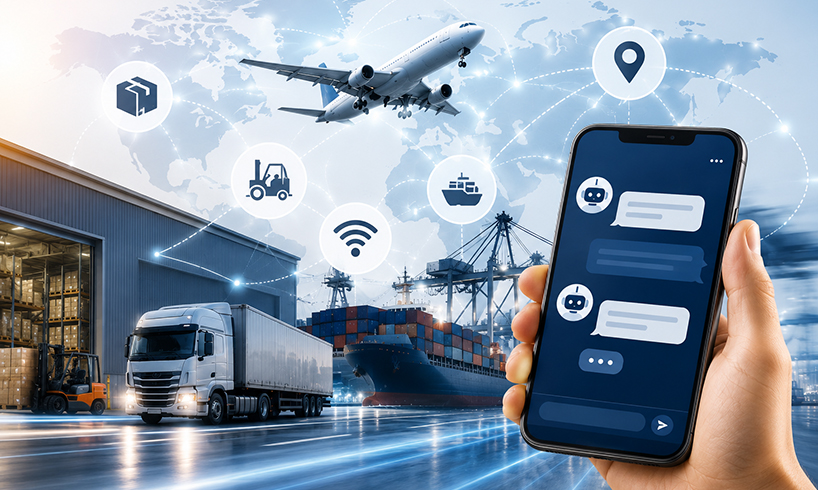




The logistics industry has entered a new era. Speed is no longer a competitive advantage reserved for market leaders. It is now the baseline expectation. Over the past decade, logistics has transformed from a largely reactive operation into a real-time service ecosystem.
Across retail, manufacturing, wholesale and distribution, businesses are under constant pressure to move goods faster, respond to disruption more quickly and provide greater transparency to customers. In this environment, real-time communication has become one of the most valuable operational assets a business can possess.
For operations and customer service teams, this shift matters because logistics performance increasingly shapes customer experience, brand reputation and commercial growth. Delayed updates, fragmented communication and slow decision-making now carry immediate operational and financial consequences.
Modern supply chains are no longer able to operate on predictable schedules. They are dynamic, interconnected networks where conditions can change instantly. The organisations succeeding in this environment are those that can communicate instantly across every stage of the supply chain.
E-commerce Has Reshaped Expectations
The rise of e-commerce has fundamentally altered how customers view delivery and fulfilment. Consumers no longer compare logistics performance against direct competitors alone. They compare every experience against the fastest and most transparent delivery service they have ever used.
When customers can order products late in the evening and receive them the next morning, expectations shift permanently. Visibility, tracking accuracy and delivery speed are now viewed as standard rather than premium features.
For businesses, this creates significant pressure across warehousing, transportation and customer communications. Delayed updates and notifications are now seen as unacceptable.
Same-Day and Next-Day Delivery Are Becoming Standard
Fast fulfilment models have compressed operational timelines dramatically. Businesses have only a few hours to process orders, allocate stock, dispatch shipments and coordinate delivery. This speed leaves very little room for communication delays.
If warehouse teams, drivers, suppliers and customer service departments are not working from the same real-time information, even small disruptions can escalate rapidly. A missed update can result in failed deliveries, inventory shortages or unnecessary transport costs. Therefore, the faster logistics becomes, the more valuable instant communication becomes.
Supply Chain Disruptions Are Concerning
Global supply chains are also facing growing instability. Weather events, geopolitical tensions, labour shortages, port congestion and fluctuating fuel costs continue to create uncertainty across international logistics networks.
Businesses can no longer rely solely on long-term planning and fixed delivery schedules. They need the ability to react quickly when circumstances change. This requires continuous information sharing across suppliers, transport providers, warehouses and customer-facing teams. Real-time communication enables businesses to adapt to disruption before customers feel the impact.
Customers Demand Greater Transparency
Visibility has become a central part of the customer experience. Customers want to know where their order is, when it will arrive and what happens if delays occur.
Modern logistics operations depend on connected conversations across multiple channels. Customers expect immediate access to information through the platforms they already use every day, while internal teams require live operational updates to maintain service continuity.
This shift has changed the role of communication technology within logistics businesses. Live chat for customer support, messaging platforms and ai-powered-customer-engagement
)tools are becoming operational tools that help businesses deliver faster, more transparent experiences at scale.
The Cost of Delayed Communication
In today’s logistics environment, delayed communication can create immediate operational and financial consequences.
A transport issue that goes unreported for even thirty minutes can trigger missed delivery windows, idle warehouse labour, failed handovers and dissatisfied customers. The financial impact can accumulate quickly.
Delays Increase Operational Costs
When communication breaks down, businesses often lose the ability to respond efficiently. This can lead to:
- Additional transport costs
- Overtime expenses
- Emergency rerouting charges
- Inventory imbalances
- Higher returns volumes
- Failed delivery penalties
Small inefficiencies compound rapidly within high-volume logistics operations.
For example, if a driver encounters traffic disruption but warehouse teams remain unaware, loading schedules may continue as planned, creating downstream bottlenecks across the network. Similarly, if suppliers fail to communicate delays early, production schedules and inventory planning become inaccurate. Real-time communication reduces these inefficiencies by enabling faster operational adjustments.
Customer Trust Can Be Lost Quickly
Delayed communication also damages customer relationships. Modern consumers are often more understanding of delays than businesses expect, provided communication is transparent and proactive, however uncertainty frustrates customers.
If delivery times change without warning, customers lose confidence in the brand. Repeated communication failures create the perception that a business is unreliable.
For marketing and customer experience leaders, this has long-term implications. Brand loyalty is increasingly shaped by operational performance. A strong marketing campaign may win customer attention, but poor delivery communication can quickly erode trust.
Internal Teams Become Less Effective
Communication delays also affect internal collaboration.
When departments operate from outdated information, decision-making slows down and accountability becomes fragmented. Customer service teams may provide inaccurate updates. Warehouse teams may prioritise the wrong shipments. Sales teams may overpromise delivery capabilities.
Immediate visibility creates operational alignment. Everyone works from the same live information, enabling faster and more accurate decisions across the organisation.
Benefits of Instant Communication
One of the greatest advantages of instant communication is the ability to make faster operational decisions before problems escalate. In logistics, speed of response often determines whether a disruption becomes manageable or costly.
Real-time communication allows businesses to reroute shipments instantly when conditions change.
Faster Responses to Disruption
Port congestion, customs delays and supplier issues can impact supply chains with little warning.
Businesses with real-time communication systems can react far more quickly. Warehouses can adjust schedules, procurement teams can source alternative stock and customer service teams can provide accurate updates immediately.
This agility helps businesses maintain service continuity during periods of disruption.

Dynamic Inventory Management
Inventory visibility is another critical advantage.
Real-time communication between suppliers, warehouses and retail systems enables businesses to monitor stock movements continuously. This allows faster replenishment decisions and reduces the risk of stockouts or overstocking. For retailers and distributors, this improves both operational efficiency and customer satisfaction.
Accurate inventory data also supports better forecasting and demand planning, helping businesses respond more effectively to changing market conditions.
Preventing Small Problems from Escalating
Perhaps most importantly, instant communication helps prevent minor issues from becoming major operational failures. A delayed pallet, a missed collection or an inaccurate shipment update may appear insignificant initially. However, without speedy intervention, these issues can trigger delays across the supply chain.
Real-time alerts and live operational visibility allow teams to intervene early, reducing disruption and protecting service levels.
Live Chat Has Become Part of the Logistics Experience
As delivery expectations have increased, customer behaviour has evolved alongside them. When customers want an update about an order or delivery, they often do not want to wait in a phone queue or search through tracking pages. Increasingly, they expect immediate access to support through live digital channels.
For logistics providers, retailers and supply chain operators, live chat software has become one of the fastest ways to reduce friction within the customer journey.
Customers can quickly confirm delivery times, report issues, update information or receive clarification without interrupting their day. At the same time, customer service teams can manage multiple conversations simultaneously while accessing real-time operational information.
This becomes particularly valuable during periods of disruption. Severe weather, fulfilment backlogs or transport delays often trigger sudden spikes in customer enquiries. Live chat enables businesses to respond more efficiently while maintaining visibility and transparency.
AI Chatbots Are Supporting Real-Time Customer Service
As logistics communication volumes continue to increase, many organisations are also turning to AI-powered chatbots to support customer service operations.
Delivery and fulfilment enquiries are often repetitive, time-sensitive and high volume. Customers typically want quick answers to straightforward questions such as:
- Where is my order?
- Has my delivery been delayed?
- Can I change my delivery slot?
- What happens if I miss my delivery?
Conversational ai for customer service can help manage these interactions instantly, providing customers with immediate information while reducing pressure on customer service teams. More complex or sensitive interactions can still be escalated to live agents when required.
This hybrid approach allows logistics businesses to maintain fast response times without compromising customer experience.
Customer Expectations Have Changed…Permanently
Customer expectations around logistics are unlikely to return to previous standards. The ‘Amazon effect’ with widespread adoption of advanced delivery tracking has permanently changed what consumers expect from brands including detailed tracking information throughout the delivery journey.
They want to know:
- When an order has been processed
- When it has left the warehouse
- Its estimated arrival time
- Whether delays have occurred
- How delivery schedules may change
This level of visibility was once considered innovative whereas now it’s expected across industries. Businesses that fail to provide transparent updates risk appearing outdated or unreliable.
Proactive Communication Builds Confidence
Proactive communication is particularly valuable during disruptions.
Customers respond far more positively when businesses communicate delays early and provide realistic updates. Even when delivery problems occur, strong communication can preserve trust and customer loyalty.
Customer service with WhatsApp business is becoming increasingly important within this process because it enables businesses to deliver immediate, conversational updates directly to customers.
For logistics providers, proactive messaging can include:
- Delivery reminders
- Delay notifications
- Updated arrival windows
- Service disruption alerts
- Collection confirmations
Broadcast messaging capabilities also allow businesses to communicate rapidly at scale during large operational events, helping reduce inbound enquiries while keeping customers informed.
For customer service directors, this has major operational value. Real-time communication tools reduce repetitive contact volumes because customers already have access to accurate information when they need it.
Customer Experience Is Now Operational
Traditionally, customer experience was often viewed primarily as a marketing or service function. Today, logistics plays a central role in shaping customer perception.
Delivery speed, fulfilment accuracy and communication quality directly influence customer satisfaction scores, online reviews and repeat purchasing behaviour. As a result, operational visibility has become a strategic brand asset.
Businesses that communicate clearly and consistently throughout the fulfilment journey create stronger customer relationships and greater long-term loyalty.
The Future
Businesses that invest in real-time communication infrastructure today will be far better positioned to adapt to future logistics challenges. Real-time visibility has become essential for maintaining operational efficiency, protecting customer trust and responding effectively to disruption. As supply chains become more complex and customer expectations rise, instant communication becomes a strategic necessity.
The future of logistics will belong to organisations that can communicate as quickly as they deliver.