














End the Phone Call Nightmares: Making Customer Service More Accessible for People Who Stammer




For most people, making a phone call is an everyday task. While the subject of the conversation might occasionally cause anxiety, the physical act of speaking is rarely a concern. At Click4Assistance, we believe accessibility isn't simply about complying with legislation; it's about ensuring every customer has an equal opportunity to communicate in the way that works best for them.
For people who stammer or have other speech difficulties, however, using the telephone can be one of the most stressful parts of interacting with an organisation. Fortunately, the growth of digital communication channels offers an opportunity to make customer service more inclusive—but only if those channels are designed and delivered effectively. Our suite of text-based communication solutions—including Live Chat, AI Agents, Chatbots and omnichannel messaging through WhatsApp and Facebook—helps organisations create more inclusive customer experiences.
Understanding Stammering
At least 1% of adults stammer, making it far more common than many people realise. In addition, an estimated 4% or more of the population will experience other speech disabilities during their lifetime due to conditions such as stroke, Parkinson's disease, Multiple Sclerosis, Motor Neurone Disease or voice disorders. Despite this, many organisations have given little thought to how accessible their customer service channels are for these individuals.
Stammering is not caused by nervousness or uncertainty. People who stammer know exactly what they want to say but experience temporary disruptions in the flow of speech. These can include repetitions, prolonged sounds, silent blocks or the use of filler words while working through a moment of dysfluency. Some people even avoid certain words altogether or limit what they say simply to reduce the likelihood of stammering.
When Customer Service Becomes a Barrier
Research published by STAMMA in 2025 highlights just how difficult contacting organisations can be for people who stammer.

Among respondents describing their most recent interaction with an organisation:
- 14% were hung up on because they stammered.
- 24% became trapped in voice recognition or IVR systems that either didn't allow enough time to respond or failed to recognise stammered speech.
- 32% experienced call handlers repeatedly guessing what they were trying to say instead of allowing them to finish speaking.
- 5% were laughed at while speaking.
The verification process presents another significant challenge. Many people who stammer find saying their own name or other required information particularly difficult because these words cannot easily be substituted with alternatives. Yet organisations often rush callers through security questions, misunderstand their responses or, in some cases, incorrectly flag them as potential fraud risks.
Unsurprisingly, these experiences affect customer behaviour. Around 15% of respondents said they would do anything to avoid making a phone call, while approximately 60% actively choose written communication channels such as web chat or email whenever possible.
Accessibility Is About Choice
Telephone support remains an important channel and should be designed with accessibility in mind. Staff training, thoughtful IVR design and appropriate verification processes all have a role to play.
However, providing alternative communication methods is equally important.
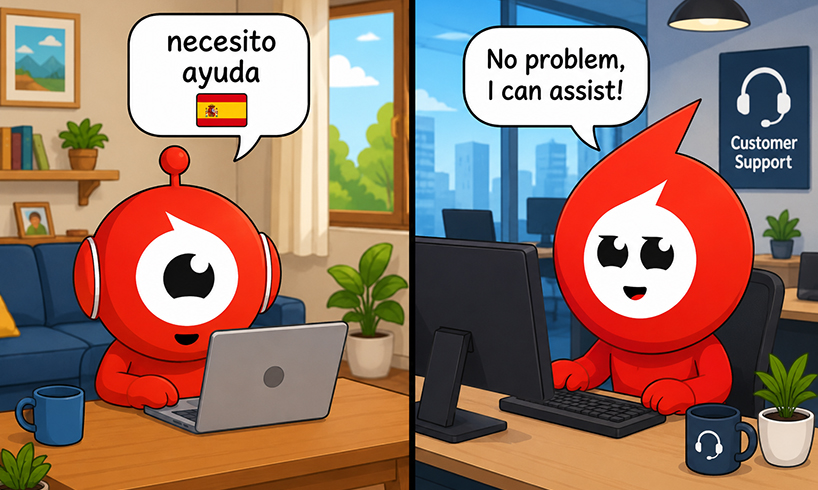
For many customers with speech difficulties, communicating through text removes many of the barriers associated with telephone conversations. It allows them to explain their situation clearly, at their own pace, without the pressure of speaking under time constraints.
Whether they're booking an appointment, asking for advice, making a payment or reporting an issue, customers deserve the ability to communicate using the method that works best for them.
How Text-Based Communication Can Help
This is where modern customer engagement platforms can make a real difference.
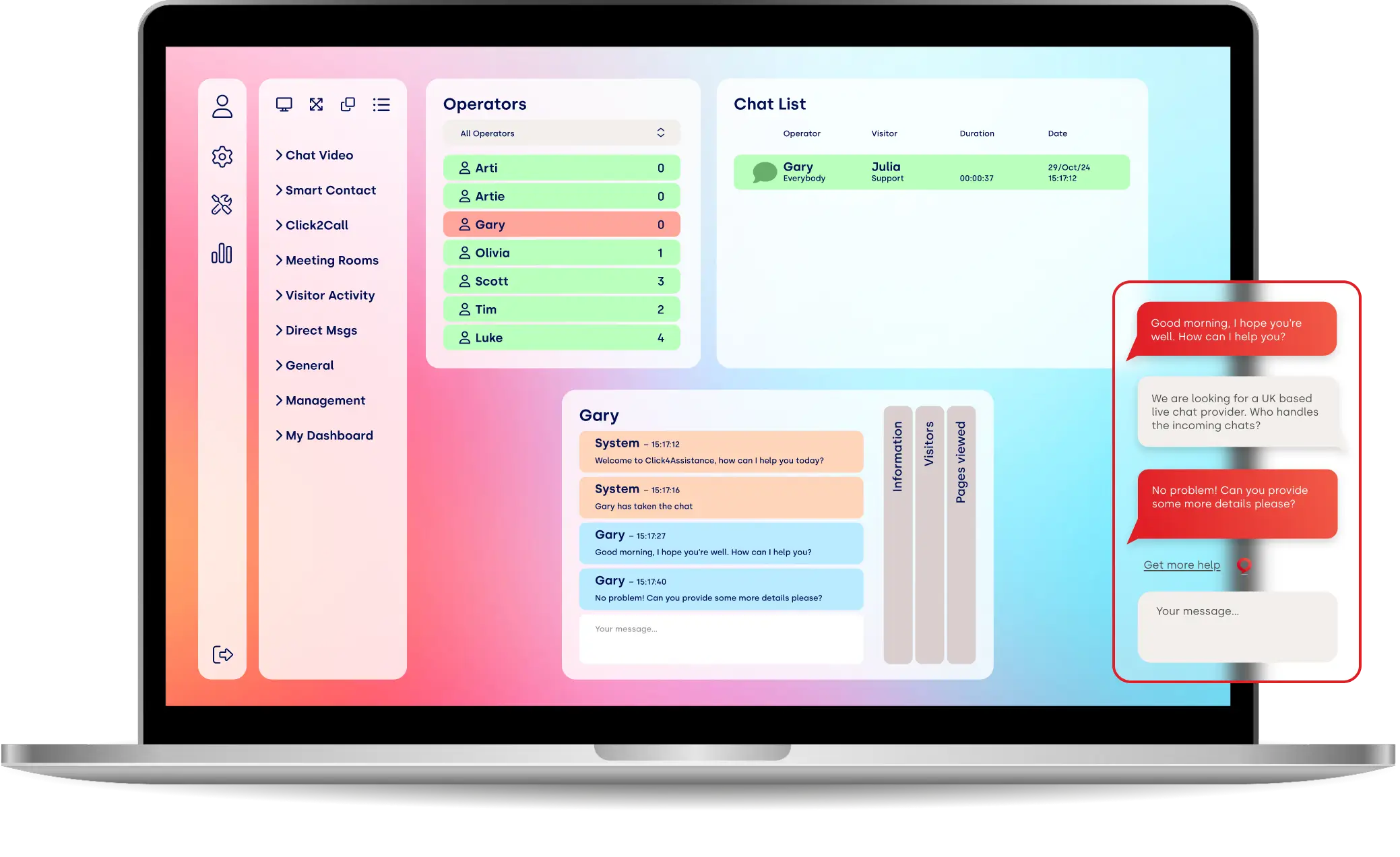
Rather than relying solely on telephone support, organisations can provide multiple accessible communication channels including:
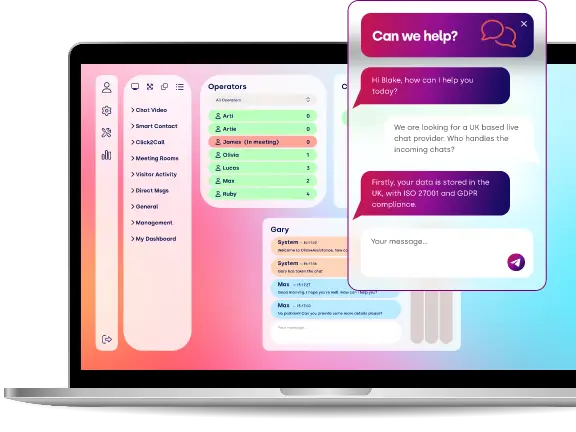
- Live Chat with human advisors.
- AI-powered agents available 24/7.
- Intelligent chatbots for common enquiries.
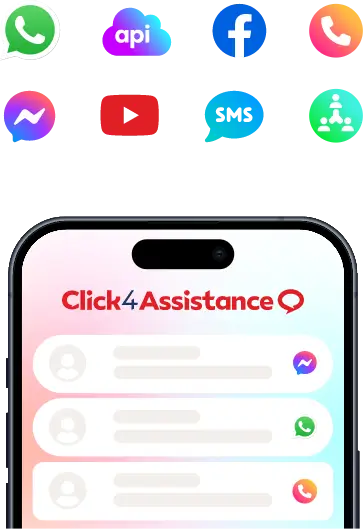
- Messaging through familiar platforms such as WhatsApp and Facebook Messenger.
- Seamless escalation between AI and human agents where required.
These channels not only improve accessibility for people who stammer, but also benefit customers with hearing impairments, temporary speech difficulties, neurodiverse communication preferences, or those who simply prefer to communicate in writing.
Better Accessibility Benefits Everyone
Accessible customer service isn't just good practice—it's good business.
Customers who can communicate comfortably are more likely to complete enquiries, resolve issues efficiently and remain loyal to organisations that respect their needs. Conversely, poor communication experiences can leave customers feeling excluded, frustrated and reluctant to engage again.
Providing high-quality text-based communication alongside well-designed telephone services enables organisations to create more inclusive customer experiences while helping meet accessibility and consumer duty expectations.
Making Every Conversation Count
Every customer communicates differently. By offering genuine choice through accessible, high-quality communication channels, organisations can remove unnecessary barriers and ensure no customer is excluded simply because speaking on the phone is difficult.
At Click4Assistance, our UK-hosted customer engagement platform enables organisations to deliver accessible conversations through Live Chat, AI Agents, Chatbots and omnichannel messaging, allowing customers to engage using the channel that suits them best. For many people with speech difficulties and differences, that choice can make the difference between a frustrating experience and a positive one.