












Unlock Scalable Customer Engagement with Broadcast Messaging via WhatsApp and SMS

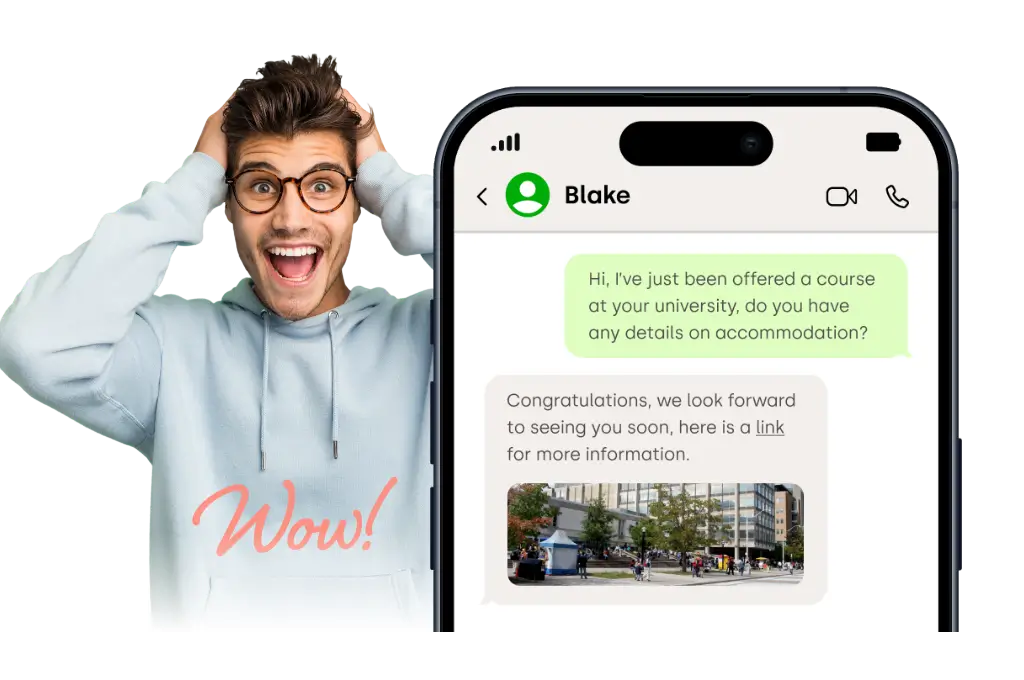

In today’s digital landscape, audiences expect communication that is timely, relevant and delivered through the channels they already use. At the same time, marketing leaders are balancing increasing customer expectations with the need for efficiency, control and measurable outcomes and internal teams need tools that simplify tasks rather than adding complexity.
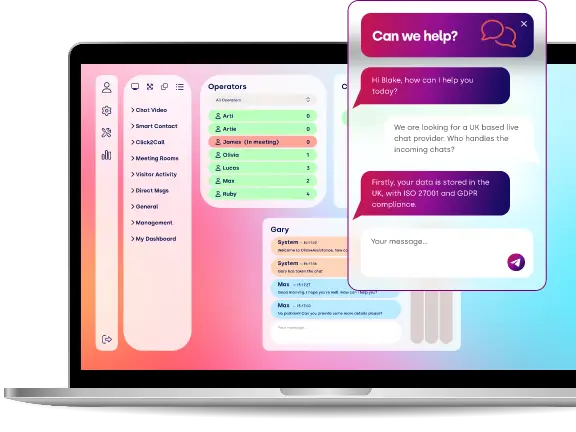
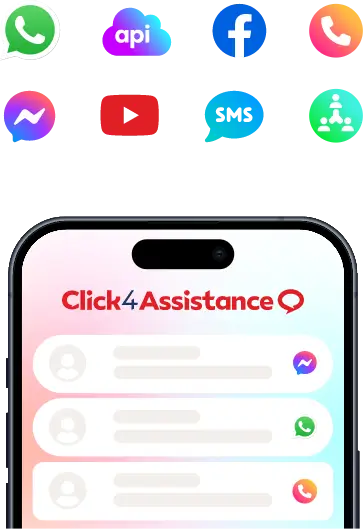
Click4Assistance has long supported this shift through its omnichannel messaging platform, bringing together live chat, WhatsApp, SMS, Facebook Messenger and AI-driven tools such as chatbots into a single interface. This unified approach allows organisations to manage inbound conversations seamlessly across channels, improving response times and customer experience.
The introduction of broadcast messaging via WhatsApp and SMS represents a natural but significant evolution. It moves organisations beyond reactive support and into proactive, campaign-led engagement, giving marketing teams the ability to initiate conversations at scale while maintaining control and consistency.
The Shift from Reactive to Proactive Communication
Historically, platforms like Click4Assistance have focused on managing inbound communication. Customers ask questions, request support or seek information, and agents respond. While essential, this model only addresses part of the customer journey.
Modern marketing strategies require more than responsiveness. They demand the ability to:
- Engage audiences before they make contact
- Deliver timely updates and campaigns
- Nurture leads and re-engage customers
- Provide operational updates at scale
Broadcast messaging enables exactly this. It allows organisations to send outbound messages to multiple recipients simultaneously, using channels that customers already trust and engage with regularly.
Importantly, this is not simply mass messaging. When delivered via WhatsApp or SMS, messages appear as direct, one-to-one communications, creating a more personal and engaging experience for the recipient.
What Broadcast Messaging Means in a Click4Assistance Environment
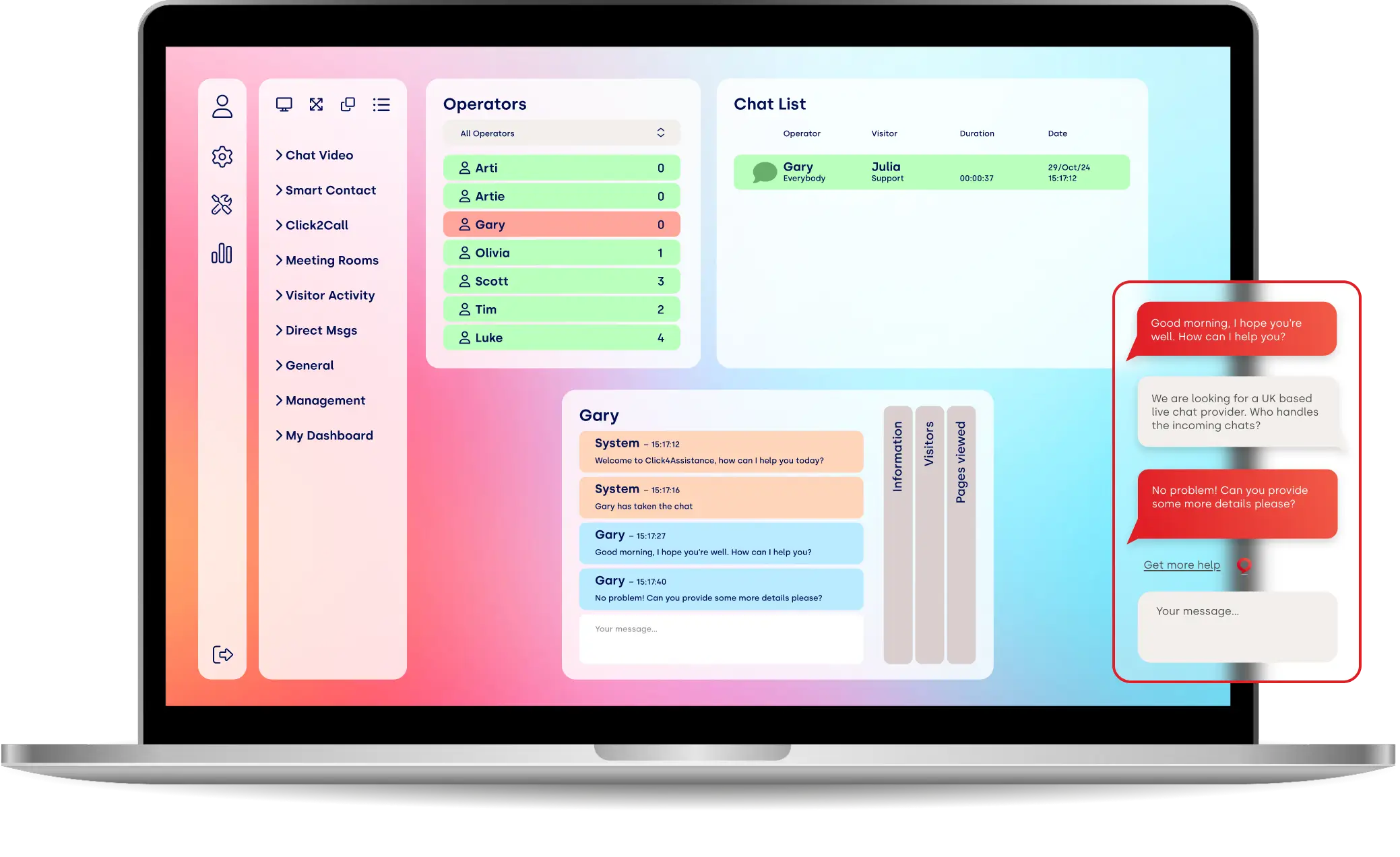
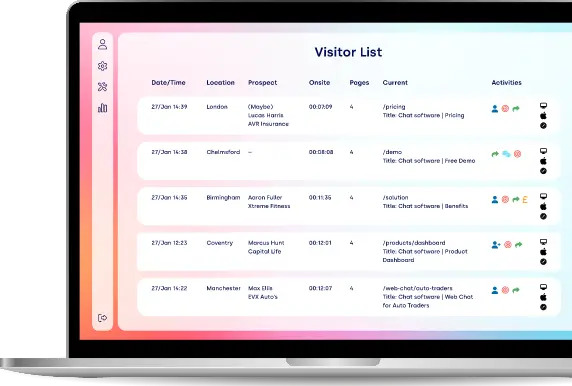
Within Click4Assistance, broadcast messaging builds on existing omnichannel messaging platform capabilities. Rather than introducing a separate campaign tool, it integrates outbound messaging into the same interface used for inbound conversations.
This means marketing, customer service and operational teams can work from a single platform, with shared visibility and control.
Key functionality includes:
- Uploading contact lists for bulk messaging
- Sending messages via WhatsApp and SMS
- Scheduling campaigns in advance
- Managing responses within the same dashboard
- Maintaining a full conversation history
This unified approach aligns with the broader Click4Assistance philosophy of bringing all customer communications into one place, enabling more efficient and coordinated engagement across teams.
Broadcast Messaging via SMS: Reliable, Immediate and Scalable
SMS text messaging for business remains one of the most effective communication channels available. Its reach is near universal, and messages are typically read quickly after delivery.
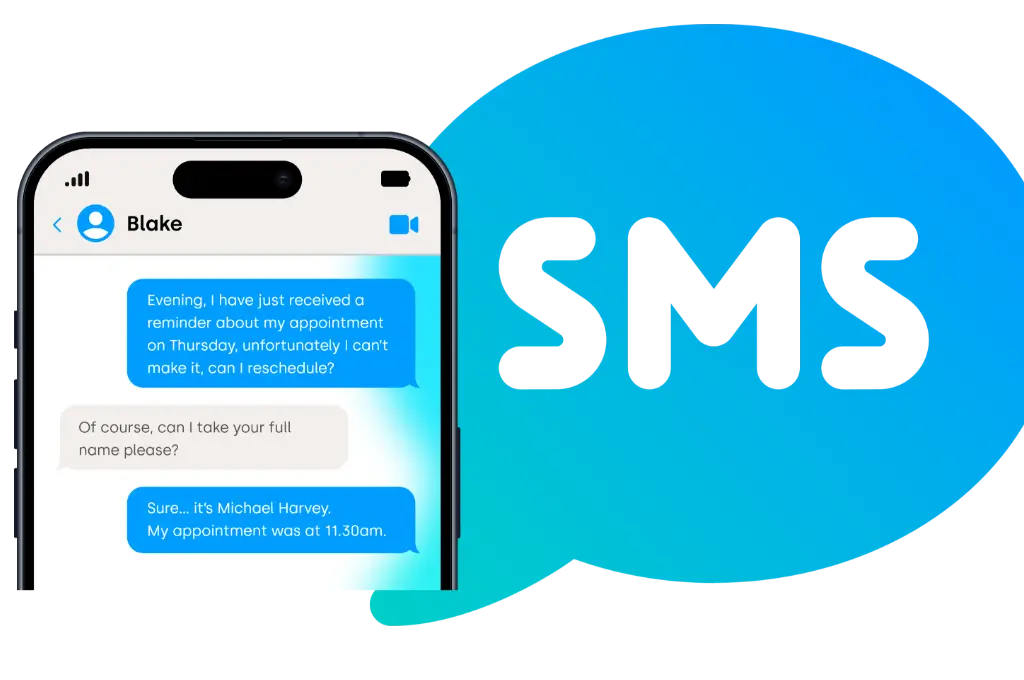
Click4Assistance enhances SMS beyond simple messaging by integrating it into a wider customer communication ecosystem. Businesses can use SMS for support, but this can also be used for proactive engagement, including alerts, reminders and campaign messaging.
With broadcast functionality, SMS becomes a powerful marketing and operational tool:
- Bulk Messaging at Scale
Organisations can send messages to large contact lists in a single action, making it ideal for campaigns, updates and notifications.
- Proactive Customer Engagement
SMS enables businesses to anticipate customer needs, sending reminders or updates before a customer makes contact.
- Integration with CRM and Data
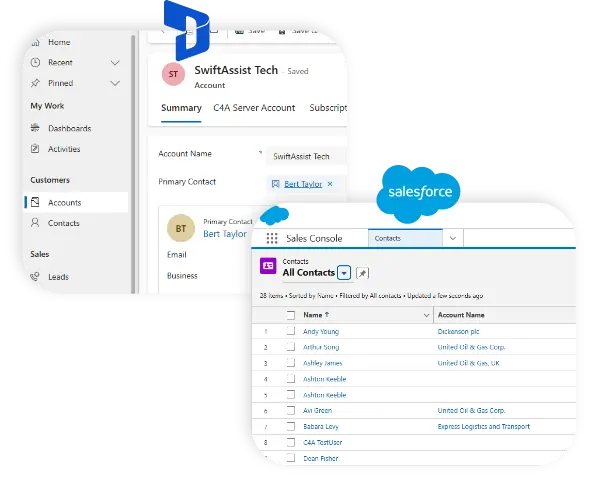
By integrating with CRM systems, messages can be personalised based on customer data, preferences and history, supporting more targeted campaigns.
- Automation and Scheduling
Broadcast messages can be scheduled in advance, ensuring timely delivery without requiring manual intervention.
- GDPR-Aligned Communication
Click4Assistance’s UK-based infrastructure supports secure and compliant handling of customer data, an important consideration for organisations operating in regulated environments.
For marketing leaders, SMS broadcast provides a dependable channel for high-priority communications where reach and immediacy are critical.
Broadcast Messaging via WhatsApp: Personal, Engaging and Interactive
WhatsApp has become one of the most widely used messaging platforms globally, offering a highly engaging environment for customer communication. Its conversational nature makes it particularly effective for marketing and relationship building.
Broadcast messaging via WhatsApp for business integration allows organisations to send a single message to multiple recipients, while maintaining the appearance of a private, one-to-one conversation.
This distinction is important. Unlike group messaging, recipients do not see other participants, and responses are handled individually. This creates a more personal experience and reduces friction.
Within Click4Assistance, WhatsApp broadcast functionality includes:
- Template-Based Messaging
To comply with WhatsApp Business requirements, outbound messages use pre-approved templates. This ensures consistency, compliance and quality across campaigns.
- Rich Media and Interactivity
WhatsApp supports images, documents and interactive elements, allowing messages to be more engaging than standard text-based communication.
- Two-Way Conversations
Broadcast messages are not one-directional. Customers can respond directly, and those responses can be managed within the same Click4Assistance interface.
- Scalable Delivery via API
Unlike standard app-based broadcasting, business-grade solutions enable messaging at scale, supporting large audiences and high-volume campaigns.
For marketing teams, this creates opportunities to deliver more engaging campaigns, combining reach with a conversational experience.
Uploading Lists and Managing Audiences
A core component of broadcast messaging is the ability to upload and manage recipient lists. Click4Assistance enables organisations to import contact data, making it easier to target specific audiences.
This supports a range of marketing strategies:
- Segmenting audiences based on behaviour or demographics
- Targeting existing customers or prospects
- Running campaigns for specific events or promotions
- Re-engaging inactive users
The ability to manage lists within the platform reduces reliance on additional external tools and ensures that campaigns are aligned with real-time customer data.
Scheduling Campaigns for Maximum Impact
Timing plays a critical role in campaign effectiveness. Broadcast messaging within Click4Assistance allows organisations to schedule messages in advance, ensuring they are delivered at the optimal moment.
This is particularly valuable for:
- Product launches
- Event reminders
- Time-sensitive promotions
- Operational updates
Scheduling also enables better planning and coordination across teams. Campaigns can be prepared in advance, reviewed and approved, and then delivered automatically.
Managing Responses Within a Unified Dashboard
One of the key advantages of Click4Assistance is its centralised dashboard. All inbound and outbound messages are managed within the same interface, providing a complete view of customer interactions.
This has several benefits:
- Agents can respond quickly to replies generated by broadcast campaigns
- Conversations remain connected, with full history and context
- Teams can collaborate more effectively across departments
Broadcast messaging therefore enhances the existing workflow, bringing outbound campaigns into the same environment as customer service.

Strategic Benefits for Marketing Decision Makers
For marketing managers and directors, broadcast messaging offers a number of strategic advantages.
- Increased Reach Without Increased Complexity
Campaigns can be delivered to large audiences without requiring additional tools or systems.
- Higher Engagement Rates
Channels such as WhatsApp and SMS typically achieve higher open and response rates than traditional email, improving campaign performance.
- Personalisation at Scale
Through segmentation and data integration, messages can be tailored to individual recipients while still being delivered in bulk.
- Faster Campaign Execution
Templates, scheduling and bulk uploads reduce the time required to plan and launch campaigns.
- Alignment Between Marketing and Customer Service
By operating within a shared platform, teams can work more closely together, improving both campaign effectiveness and customer experience.
Best Practice for Broadcast Messaging
While the technology enables scale, success depends on how it is used.
Focus on Relevance
Organisations should start by clearly defining the purpose of each message. Is it providing useful information, prompting an action, or supporting a wider campaign? Every broadcast should have a clear value proposition from the recipient’s perspective. For example, a time-sensitive offer, an important service update or a helpful reminder is far more likely to resonate than a generic promotional message.
Context is equally important. Messages should reflect where the customer is in their journey with your organisation. A new prospect will require a different tone and level of detail compared to an existing customer. Similarly, frequency should be carefully managed. Even highly relevant messages can lose impact if sent too often.
Click4Assistance’s ability to manage messaging across channels within a single platform supports this approach by giving teams better visibility of previous interactions. This makes it easier to ensure that outbound messages are aligned with recent activity and do not feel disconnected or repetitive.
Segment Audiences
Segmentation is one of the most effective ways to improve the performance of broadcast messaging. Rather than sending a single message to an entire contact list, organisations can divide audiences into smaller, more targeted groups based on shared characteristics.
These characteristics might include:
- Demographics such as location or industry
- Behavioural data such as past purchases or interactions
- Engagement history across channels
- Position within the sales funnel
By tailoring messages to each segment, organisations can increase both engagement and conversion rates. A targeted message feels more personal and is more likely to address a specific need or interest.
For example, a retail organisation might send different WhatsApp broadcasts to new customers, loyal repeat buyers and those who have not engaged recently. Each group would receive messaging that reflects their relationship with the brand, whether that is a welcome offer, a loyalty reward or a re-engagement incentive.
Segmentation also supports more efficient use of resources. Instead of overloading all contacts with every campaign, messages are directed only to those for whom they are most relevant. This reduces noise, improves customer experience and helps maintain trust.
Maintain a Conversational Tone
Channels such as WhatsApp and SMS are typically used for communication between friends, family and close contacts. When businesses enter this space, the tone of communication needs to reflect that environment.
A conversational tone helps messages feel natural and approachable, rather than intrusive or overly corporate. Messages should be clear, concise and written in a way that feels like a genuine conversation.
For example, instead of using formal, lengthy language, organisations might adopt a more direct and friendly approach. Simple phrasing, clear calls to action and a human touch can make a significant difference in how messages are received.
This is particularly important for WhatsApp, where users expect a chat-like experience. Messages that feel overly promotional or scripted may be ignored, whereas those that feel personal and relevant are more likely to prompt engagement.
By maintaining a conversational tone, organisations can strengthen relationships and encourage two-way communication, rather than simply delivering one-sided messages.
Be Prepared for Responses
When a broadcast message is sent to a large audience, it can generate a significant volume of responses within a short period of time. Organisations need to be prepared to manage this effectively.
Timely responses are essential. Customers who reply to a message expect a prompt and helpful answer. Delays or missed responses can undermine trust and reduce the effectiveness of future campaigns.
Click4Assistance addresses this by bringing all conversations into a single, centralised dashboard. Agents can view and respond to incoming messages alongside other channels, ensuring that no interaction is overlooked. This unified approach also provides context, allowing agents to see the original broadcast message and respond appropriately.
Before launching a broadcast campaign, organisations should consider:
- The potential volume of responses
- The types of enquiries that may be generated
- The resources required to manage them
- The role of automation or AI chatbots in handling initial queries
By anticipating responses and putting the right processes in place, businesses can turn broadcast messaging into a true engagement channel rather than a one-way communication tool.
The Role of Broadcast Messaging in Modern Marketing Strategy
Broadcast messaging is not a replacement for existing channels such as email or social media. Instead, it complements them, providing a direct and immediate way to reach customers.
As part of a broader omnichannel strategy, it enables organisations to:
- Deliver consistent messaging across multiple touchpoints
- Engage customers at different stages of the journey
- Combine marketing and service communication
- Gain deeper insight into customer behaviour and preferences
The addition of broadcast messaging via WhatsApp and SMS represents a significant step forward in how organisations can engage with their audiences.
By enabling bulk messaging, list uploads, scheduling and centralised management, Click4Assistance provides marketing teams with the tools they need to deliver campaigns that are both scalable and personal.