












How Modern Organisations Are Bringing Every Customer Conversation Together



There was a time when communicating with an organisation meant picking up the telephone, or sending an email, then came filling in a form on a website. The choice was reasonably limited, and customers generally accepted responsibility for fitting into an organisation's preferred way of communication. The question for companies now is which channel is best for this conversation, at this particular point in the customer journey.
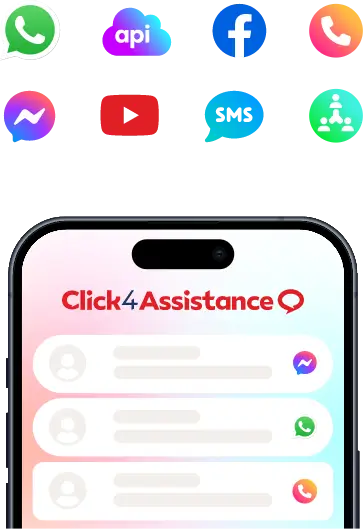
In more recent years that expectation has changed. People now move between communication channels throughout the day without giving it much thought. We send a WhatsApp message to a friend, join a video call for work, receive an SMS about an appointment, speak to a company through live chat and use an online form when it suits us. We have become accustomed to choosing the channel that fits the situation, rather than adapting ourselves to whichever channel an organisation happens to provide.
That shift has significant implications for customer service. Organisations are no longer simply deciding whether they should have live chat, WhatsApp, SMS or an AI chatbot. They are having to think much more broadly about how conversations happen, where they begin, how they develop and what happens when a customer needs to move from one channel to another.
One customer, many conversations
The mistake organisations can make when looking at omnichannel messaging platforms is to think about channels in isolation.
A customer does not necessarily see a live chat, an SMS, a telephone call and a video meeting as four separate interactions. From their perspective, they are simply trying to get something done.
Having received a WhatsApp broadcast message, they may start by asking an AI Agent for customer service a straightforward question outside normal opening hours. Having received the information they need, they may return the following morning and use live chat to discuss something more specific. For a more complicated issue, the conversation could move into a telephone call.
That is one customer journey, even though several different technologies have been involved.
This is where modern customer communication becomes interesting. The objective is to understand what each channel is particularly good at and create enough connection between them that the customer can move through the journey without feeling that they have started again every time. The technology should support the conversation, rather than becoming the conversation.
The right channel depends on the conversation
There is a natural temptation to ask which communication channel customers prefer. In reality, preference can depend heavily on what the customer is trying to achieve.
Someone looking for a quick answer does not necessarily want a telephone call. Someone trying to resolve a complicated issue may find a chatbot frustrating. A customer waiting for an appointment may appreciate an SMS reminder, while someone discussing a sensitive or complicated matter may value being able to speak to a person face to face, even though that meeting is taking place online.
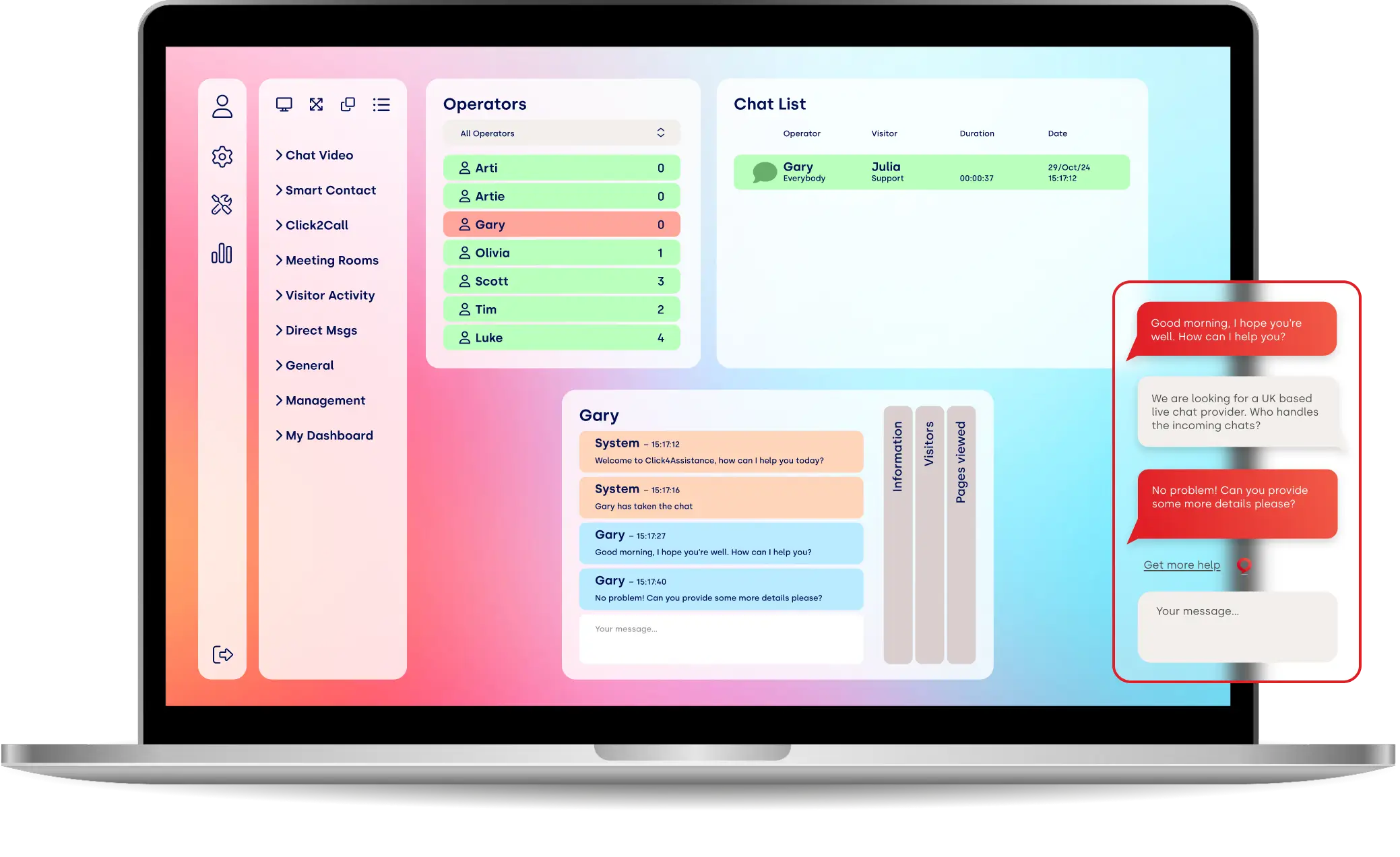
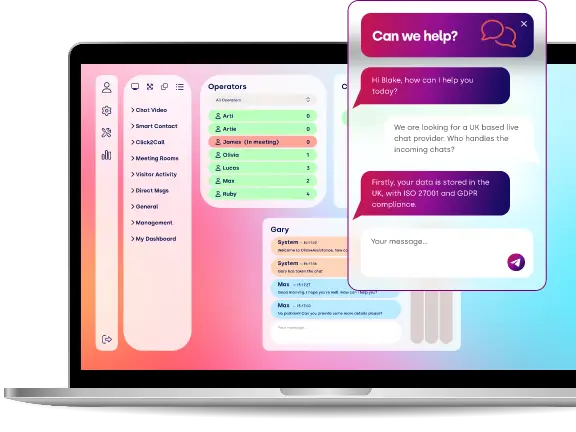
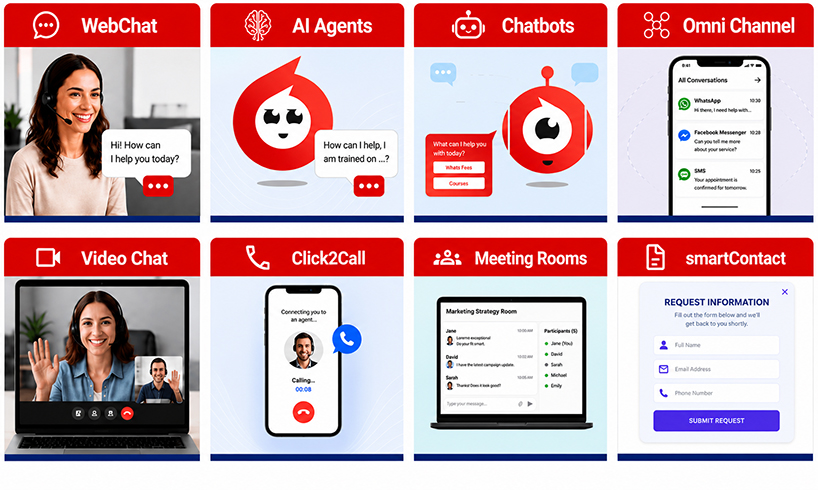
Live Chat remains particularly effective when customers want immediate assistance from a person. It provides the speed and convenience of digital communication while retaining the empathy and understanding that comes from human interaction. For many organisations, it also provides an important bridge between self-service and more traditional support.
AI Agents have a different role. They can provide assistance around the clock, deal with routine enquiries and help customers find information without waiting for a member of staff to become available. More importantly, a well-designed AI Agent can become part of a wider journey, handling the straightforward elements of an enquiry before passing the conversation to a person when greater understanding or reasoning is required.
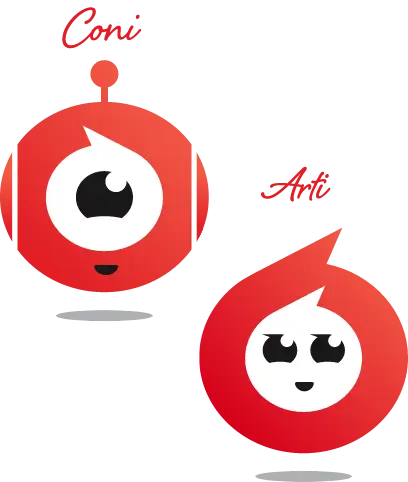
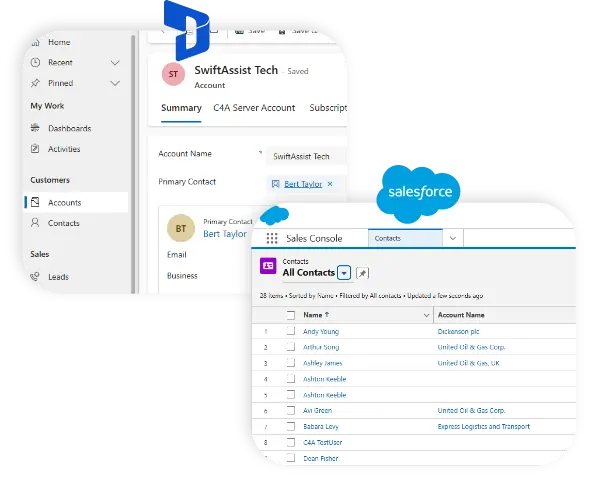
This approach is also gaining recognition beyond our own platform. Click4Assistance is featured on independent AI comparison site Comparee.ai, where Arti, powered by ChatGPT, is highlighted alongside our Live Chat, Chatbot and Omnichannel capabilities. The review recognises how organisations can use AI to automate customer interactions, connect with existing CRM systems and bring multiple communication channels together within a single customer engagement platform.
Chatbots continue to have an important place too. Structured, logic-based chatbots are particularly useful where an organisation needs to guide customers through defined processes, answer common questions or direct them towards the right service. They provide consistency and can make relatively simple journeys considerably easier to navigate.
The distinction between these technologies matters because automation is not one single thing. Different forms of automation solve different problems.
Sometimes customers need to talk
There is a tendency within digital transformation to assume that the ultimate objective should be to remove human interaction wherever possible.
However, there are conversations where human involvement is not simply preferable, but essential to delivering a good experience. The challenge is making that human interaction accessible without forcing customers through unnecessary steps.
Click2Call software for business is a good example. A customer browsing a website may decide that their question would be easier to discuss by telephone, but they may not want to stop what they are doing to find a number, navigate a telephone menu and wait in a queue. Allowing them to request an instant, free connection removes much of that friction and provides a straightforward route from digital browsing to a human conversation.
Video Chat takes that principle further when a conversation benefits from face-to-face interaction. Some issues are difficult to explain through text or over the telephone, particularly when they involve detailed discussions, demonstrations, advice or reassurance. Video allows organisations to retain the convenience of digital communication while creating a more personal interaction.
There is something important happening here. Digital transformation is not necessarily making customer service less human. Done well, it can make human interaction more accessible and more purposeful.
Direct Messaging has changed the relationship
The growth of messaging has perhaps had one of the biggest influences on customer expectations. People are comfortable sending a message and receiving a response when it is convenient for both parties. They do not necessarily expect every interaction to happen in real time, and that has opened up an interesting space between live support and traditional email.
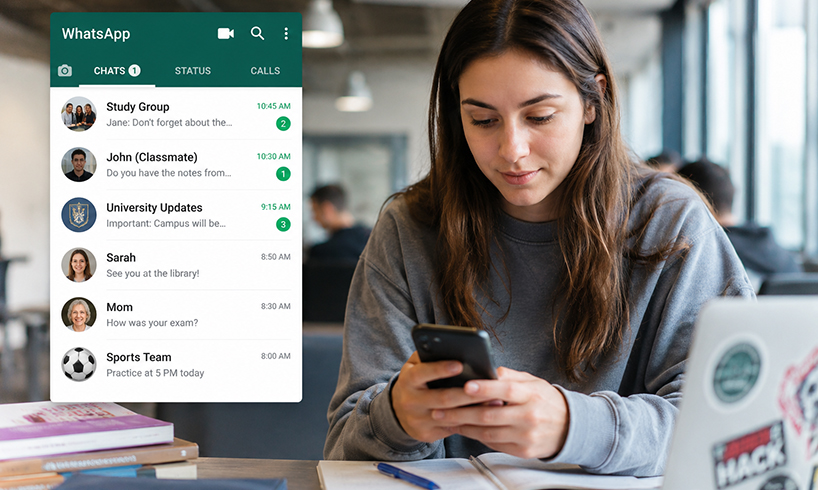
WhatsApp for business integration is particularly well suited to ongoing customer conversations. A customer may need several exchanges to resolve an issue, provide additional information or receive updates, and messaging provides a familiar environment in which that conversation can continue.
SMS, meanwhile, remains one of the simplest and most effective channels for information that needs to reach someone quickly. Appointment reminders, confirmations, alerts and notifications do not necessarily require a conversation at all. Sometimes the best customer experience is simply receiving the right information at the right time.
Facebook Messenger has a similar role in meeting customers where they already spend time. For organisations with an active social media presence, it can provide another accessible route into the organisation, particularly for customers who naturally think of social platforms as places to ask questions and interact with businesses.
Customers do not want to explain the same situation repeatedly simply because they have moved from one channel to another. They want the organisation to understand the context of the conversation and make the transition as straightforward as possible.
The important point is that messaging does not have to compete with other channels, it can complement them, and not every conversation needs an immediate response.
Not everyone wants to speak to someone immediately, smartContact allows customers to leave an enquiry that is more useful than a generic inbox and more intelligent than a basic contact form.
An intelligent form can capture the information an organisation needs to understand an enquiry properly, even when nobody is available to respond in real time. It gives customers a way to start the conversation at a time that suits them, while giving the organisation useful context when the team is ready to pick it up. That may sound like a small distinction, but it reflects a much bigger change in customer expectations.
The customer journey does not stop simply because the contact centre is closed.

Sometimes a conversation needs to become a meeting
At the other end of the spectrum are conversations that need more time, structure and privacy.
Meeting Rooms provide a secure online environment for situations where multiple participants would benefit from the discussion. They can support demonstrations, reviews, online open days and more involved conversations where several people may need to participate.
Bringing everything together
A well-designed communication strategy recognises that customer journeys can change:
- A simple question can become a detailed discussion.
- A digital contact can become a telephone call.
- A series of messages can lead to a meeting.
- An automated interaction can require human intervention.
The organisation needs to be able to accommodate those changes without making the customer feel that they have been passed from one system to another.
This is where the idea of omnichannel communication becomes more meaningful.
It is not simply about offering a long list of contact options on a website. In fact, giving customers ten different buttons and leaving them to work out which one they should choose could create more confusion rather than less.
The real value comes from understanding the role each channel plays and creating a joined-up experience around it.
- Live Chat provides immediate human assistance.
- AI Agents offer always-on support for routine enquiries.
- Chatbots provide structured self-service. Video Chat gives customers a more personal way to deal with complex conversations.
- Click2Call makes requesting a telephone conversation easier.
- WhatsApp supports ongoing communication
- SMS is particularly effective for alerts and reminders.
- Facebook Messenger provides another familiar route into the organisation.
- smartContact captures enquiries when real-time assistance is unavailable
- Meeting Rooms provide a secure environment for conversations with multiple participants.
Together, these channels create choice. That choice matters because customers are different, and so are their circumstances. Good customer experience recognises that reality.
The conversation should come first
Perhaps the biggest change organisations need to make is to stop thinking about customer communication primarily in terms of technology. The technology matters, of course, but it support the experience rather than direct it.
The starting point should be the conversation. What is the customer trying to achieve? How complicated is the enquiry? Does it require immediate assistance, automation, reassurance, a detailed discussion or simply the delivery of useful information? Where is the most appropriate place for that conversation to begin, and what needs to happen when it moves somewhere else?
Those are customer experience questions rather than technology questions.
Technology gives organisations more ways to communicate than ever before. The real opportunity is to use those options intelligently, allowing customers to move between channels without losing the context, continuity or human connection that makes a good conversation.
Customer expectations will continue to evolve, and new channels will inevitably emerge. What matters is not trying to predict every development or replacing one form of communication with the latest technology. It is building an approach that is flexible enough to adapt while keeping the customer at the centre of the experience, and giving the customers the freedom to choose.