












Breaking Language Barriers in Live Chat
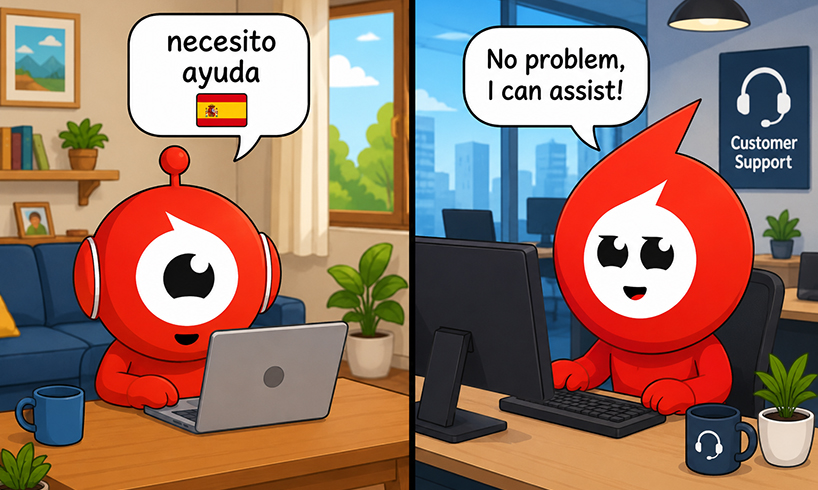


Click4Assistance has recently introduced translation functionality, providing organisations a new way to bridge communication gaps in real time. This feature allows operators to instantly translate incoming messages using ChatGPT, enabling smoother, clearer conversations.
Communication remains one of the most important, and sometimes most challenging, aspects of delivering effective services. Live chat for Customer Support has already transformed how organisations engage with users by offering fast, convenient support. With the addition of translation functionality, it now becomes an even more powerful tool, enabling meaningful conversations regardless of language and helping organisations deliver truly inclusive and accessible services.
This blog explores the key benefits of live chat service translation and how it can transform service delivery across various sectors.
What is Live Chat Translation and How Does It Work?
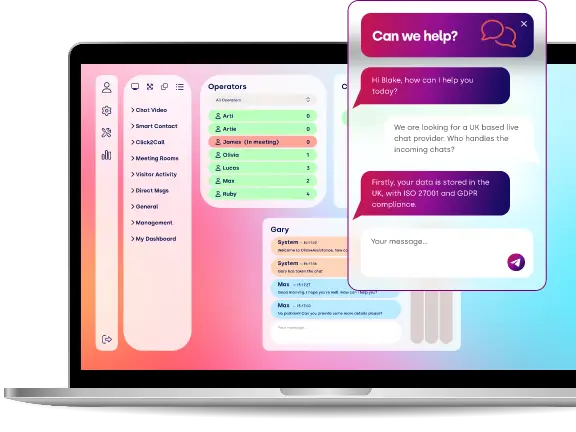
Live chat translation functionality allows messages between users and operators to be translated within the chat interface. In the case of Click4Assistance, the process is simple and intuitive.
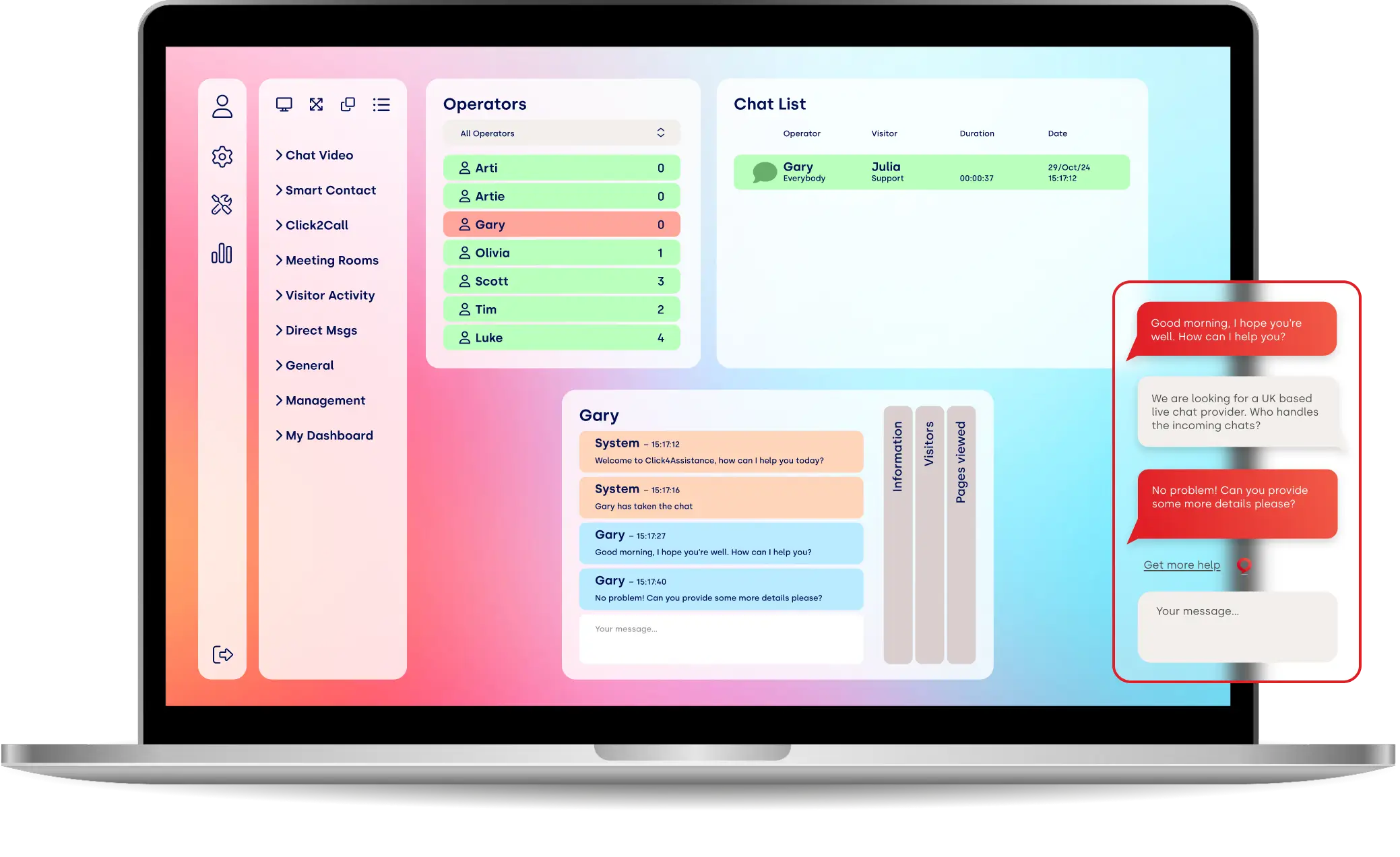
When a visitor sends a message in a different language, the operator sees a translate button next to that message. Clicking the button triggers ChatGPT to perform the translation, replacing the original text with the translated version. This means operators can quickly understand and respond without needing to copy and paste content into separate translation tools.
The result is a seamless conversation flow that feels natural for both parties.
Key Benefits of Live Chat Translation
Across all sectors, the advantages of translation functionality in live chat are clear and compelling. Looking more closely at these benefits shows the real impact this capability can have for both organisations and the people they support.
1. Increased Accessibility
Translation ensures that services are available to a wider audience, including those who may struggle with English. This supports inclusivity and helps organisations meet accessibility expectations and equality obligations.
In practical terms, it means individuals can engage confidently with services without needing to rely on friends, family members, or external interpreters. This is particularly important when dealing with personal, sensitive, or time critical issues.
For organisations, improved accessibility strengthens reach and ensures no group is unintentionally excluded from digital services.
2. Improved Efficiency
Operators can handle multilingual enquiries without switching tools or waiting for external translation support. This significantly speeds up response times and reduces friction in conversations.
With everything happening within a single interface, this streamlined workflow allows operators to focus on resolving queries rather than managing processes. This efficiency gain can lead to higher enquiry handling capacity and reduced pressure on teams.
3. Better Customer Experience
Users feel understood and supported when they can communicate in their preferred language. This creates a more positive and reassuring experience, particularly for those who may already feel uncertain or stressed.
Clear communication reduces misunderstandings, repeat questions, and frustration. It also helps build trust, as users are more likely to feel that the organisation is attentive to their needs.
In competitive sectors, this improved experience can be a key differentiator, contributing to stronger satisfaction scores and long-term loyalty.
4. Cost Savings
Reducing reliance on interpreters or multilingual staff can lower operational costs, particularly for organisations with high volumes of enquiries.
The new translation functionality can handle a large proportion of alternative languages allowing organisations to allocate resources more effectively and reduce spending on external services.
There are also indirect savings through improved efficiency, as quicker resolutions reduce overall handling time per enquiry.
5. Consistency and Accuracy
Using AI driven translation helps ensure consistent interpretation of messages, reducing the risk of human error in manual translation.
Operators no longer need to rely on limited language skills, which can lead to inconsistencies. Now they have access to reliable translations that maintain the intended meaning of the message. This consistency is particularly important when communicating policies, instructions, or important updates.
6. Enhanced Staff Confidence
Translation functionality empowers staff to handle a wider range of enquiries with confidence. Operators do not need to feel limited by language barriers, which can reduce stress and improve job satisfaction. This BBC article discusses the reduction in cognitive load for users. While LLM’s could be considered potentially detrimental to critical analysis, the technology is perfectly suited for mechanical tasks like translation.
This can be especially valuable for smaller teams that may not have access to multilingual colleagues. With the right tools in place, any operator can support a diverse audience effectively.
7. Scalability Across Services
As organisations grow or serve increasingly diverse populations, the demand for multilingual support naturally increases. Translation functionality provides a scalable solution that can adapt to changing needs without requiring significant structural changes.
Whatever the enquiry, live chat service translation ensures organisations can respond flexibly and maintain service quality.
Use Cases Across Key Sectors
Local Authorities
Local authorities serve some of the most diverse communities in the UK. Residents may speak a wide range of languages, and not all will have a strong command of English. This can create barriers when accessing essential services such as planning, council tax enquiries, social care, and waste management.
Translation functionality in live chat for local authorities helps to remove these barriers. By enabling real time translation, councils can:
- Provide equal access to information and services
- Reduce reliance on third party interpreters for routine enquiries
- Improve response times for non English speakers
- Support inclusion and community engagement
For example, a resident who speaks Polish or Urdu can submit a query in their native language via live chat. The operator can instantly translate the message, understand the issue, and respond appropriately. This reduces frustration and ensures that the resident receives accurate information without delay.
In the context of public services, this is a step towards greater digital inclusion and compliance with accessibility expectations.

Universities
UK Universities attract students from around the world. While many international students have a working knowledge of English, they may still find it difficult to navigate complex administrative processes, particularly when under stress or dealing with unfamiliar systems.
Live chat for universities translation provides a valuable support mechanism. University support teams can use translation functionality to assist students with:
- Admissions and enrolment queries
- Accommodation issues
- Timetable and course information
- Visa and compliance questions
- Wellbeing and pastoral support
For instance, a student from China or Brazil might feel more comfortable explaining a complicated issue in their first language. With translation built into the live chat system, the operator can quickly interpret the message and provide clear guidance.
This not only improves the student experience but also helps universities demonstrate their commitment to supporting a diverse and international community.
Housing Associations
Housing associations often work with tenants from a variety of linguistic and cultural backgrounds. Clear communication is essential, particularly when dealing with sensitive or urgent matters such as repairs, rent payments, or tenancy agreements.
Language barriers can lead to misunderstandings, missed appointments, or unresolved issues. By integrating translation functionality into live chat for housing associations, they can:
- Communicate more effectively with tenants
- Reduce misinterpretation of important information
- Improve satisfaction and trust
- Handle enquiries more efficiently
When a tenant reports a repair issue in their native language the operator can translate the message instantly, log the request accurately, and respond with clear next steps. This reduces the risk of errors and ensures that the issue is addressed promptly.
In a sector where communication directly impacts quality of life, the value of accurate and accessible dialogue cannot be overstated.
Travel
The travel industry is inherently global. Customers often interact with travel providers from different countries, and language differences can complicate bookings, enquiries, and support requests.
Live chat translation offers a way to simplify these interactions. Travel companies can use this functionality to:
- Assist customers with bookings and itinerary changes
- Provide real time support during travel disruptions
- Answer destination related questions
- Handle complaints and feedback more effectively
For example, a tourist visiting the UK may need to contact a travel provider about a delayed booking. If they can communicate in their own language via live chat, the interaction becomes far less stressful. The operator, equipped with translation tools, can respond quickly and accurately. This leads to a smoother customer journey and enhances the overall perception of the brand.
Why Built In Translation Matters
Some organisations may already use external translation tools, but integrating translation directly into live chat offers several advantages.
- No need to copy and paste messages between systems
- Faster response times
- Reduced risk of data handling issues
- A more seamless experience for operators
Click4Assistance’s approach, where translation is triggered with a single click and replaces the original message within the chat, keeps the workflow simple and efficient. Operators can stay focused on the conversation rather than the mechanics of translation.
Looking Ahead
The introduction of translation functionality in Click4Assistance represents an important step forward in making web chat software for customer support more inclusive and effective. As organisations continue to prioritise accessibility and user experience, tools that break down language barriers will become increasingly essential.
Whether supporting residents, students, tenants, or customers, the ability to communicate clearly across languages is a necessity. As AI continues to evolve, we can expect even greater sophistication in multilingual communication, including the ability to detect language automatically and translate responses in both directions.
Language should never be a barrier to accessing support or information. With live chat translation, organisations can open their services to a broader audience, improve efficiency, and deliver a better experience for everyone involved.
Click4Assistance’s new translation feature, powered by ChatGPT, provides a practical and user-friendly way to achieve this. By enabling operators to translate messages instantly within the chat interface, it removes friction and helps conversations flow naturally.