














No10 North: Meeting People Where They Are





For generations, if you wanted to be close to the centre of government, you went to Westminster. Businesses, local authorities, representative organisations and regional leaders became very good at making their way to Whitehall because that was where the decisions were made. Andy Burnham's No10 North initiative reflects a wider shift towards bringing services closer to the people who use them.
There has been plenty written about No10 North since it opened in Manchester. Much of the discussion has focused on politics, devolution and Andy Burnham's ambition to move some of the mechanism of government away from Westminster.
But there is another way of looking at it, particularly from a business and customer service perspective.
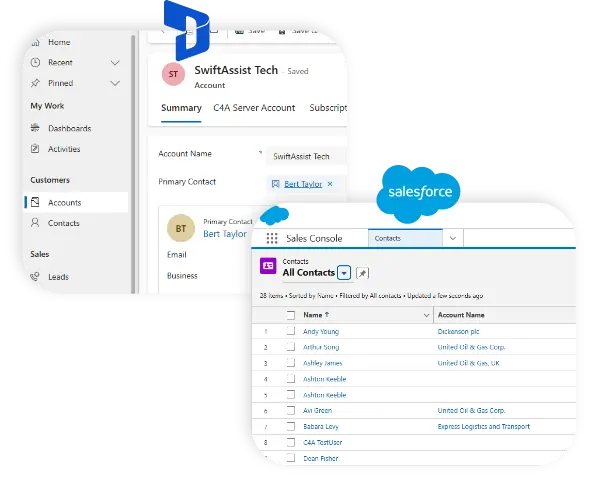
For years, those of us working in customer experience have talked about the importance of meeting the customer where they are. In fact, this is one of the principles behind omnichannel. Customers should not have to understand how an organisation is structured, work out which department owns their problem or use the channel that happens to be most convenient for the organisation. They expect to communicate in the way that works for them, wherever they happen to be, and for the organisation behind those different channels to operate as one.
So perhaps there is an interesting parallel with No10 North.
Rather than continually expecting communities and businesses to come to government, what happens when government starts going to them?
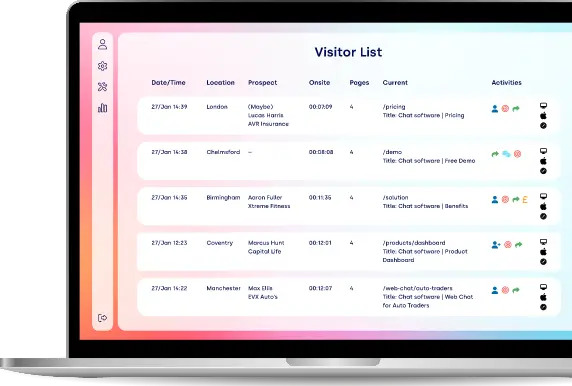
Omnichannel Messaging Platform
The comparison with omnichannel is not exact, but the principle behind it is worth exploring.
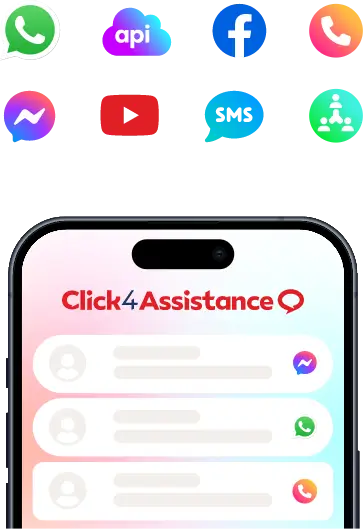
Good omnichannel customer service is not about having lots of ways to contact an organisation. A company can offer telephone, email, live chat, WhatsApp for business integration, social media and an app and still provide a dreadful customer experience. What matters is how those channels connect.
A customer should be able to start a conversation in one place and continue it somewhere else without beginning again. The information should travel with them, the organisation should know what has already happened and the customer should not need to understand what is going on behind the scenes.
In other words, the organisation adapts around the customer rather than expecting the customer to adapt around the organisation.
There is something in that idea that feels particularly relevant to government.
Moving part of the centre of government to Manchester is not significant simply because Manchester is closer to some communities than London. It becomes significant if it makes government easier to reach, improves the flow of information and allows decisions to be made closer to the businesses and communities affected by them. The location matters, but the connection matters more.
Decentralisation is something businesses understand
Businesses have been dealing with versions of this challenge for years.
A highly centralised organisation can be efficient, but it can also become slow. Decisions move up and down management structures, local teams wait for approval and employees closest to the customer can find themselves with plenty of responsibility but very little authority.
That becomes particularly noticeable in customer service when getting frustrated by speaking to somebody who completely understands your problem but is unable to solve it because the decision sits somewhere else in the organisation.
The same issue appears in government. Local leaders may understand the transport problem, skills shortage or investment opportunity perfectly well, but understanding a problem and having the authority to address it are two different things.
That is why No10 North needs to be about more than moving people.
Responsibility for local economic growth and devolution strategy has moved into the operation, alongside economic growth policy previously held within the Treasury. If that leads to more decisions being made with a genuine understanding of regional economies, it starts to look like meaningful decentralisation rather than simply relocation.
For business, there is a familiar lesson here. If you move a customer service team closer to customers but every important decision still has to go back to head office, you have changed the geography without changing the experience.
What could it mean for business?
For businesses outside London, this could make a real difference. Larger organisations tend to know their way around government. They have the contacts, advisers and established relationships to get the right conversations started. For many SMEs, it is a very different experience, even though they are often the businesses seeing first-hand what is happening in their local economy.
They know when skills shortages are making recruitment difficult, when poor transport links are affecting where they can find people, or when planning, infrastructure or energy capacity is holding back expansion. These are not abstract policy issues when you are running a business. They affect whether you take on more people, invest in a new site or, in some cases, decide not to invest at all.
The problem is not identifying what is getting in the way. Businesses are usually very clear about that. It is knowing who to talk to, getting the issue in front of someone who can make a difference and then seeing something happen as a result.
Again, there is an omnichannel parallel.
Customers do not particularly care which team owns their problem. They care whether the organisation can solve it.
Businesses dealing with government are not very different. They should not need an intimate knowledge of Whitehall to understand whether a skills issue belongs with one department, an investment question with another and an infrastructure problem somewhere else entirely.
If No10 North can help create that connection between business, regional leaders and central government, it could become far more important than just another government office in Manchester.

Omnichannel isn't about technology
This is where the discussion becomes particularly relevant to AI powered customer engagement and digital customer service.
Omnichannel is sometimes treated as a technology project. Connect the CRM, contact centre, messaging platforms and digital channels and suddenly the organisation is omnichannel.
It isn't quite that simple. Technology enables the experience, but the real objective is accessibility and continuity. It is about making the organisation easier for the customer to navigate.
The same should be true of the best AI chatbot for customer service.
AI shouldn't replace people simply because technology makes that possible. Its real value in customer service is its ability to remove friction. It can make information available instantly, handle straightforward requests, give employees better information and allow people to concentrate on the conversations where judgement, empathy and experience matter.
Technology should bring an organisation closer to its customers, not put another barrier between them. People expect immediate access to organisations wherever they are. Digital communication has removed many geographical barriers and customers no longer accept that they should have to organise themselves around the internal workings of the company they are dealing with.
Government will increasingly face the same expectation.
The best channel is the one the customer needs
Not everybody wants to communicate in the same way.
One customer may want to use an app, another WhatsApp, another telephone and another may need to speak to somebody face to face. Good service is not about forcing everybody towards whichever channel is cheapest or easiest for the organisation.
It is about creating appropriate choices and making sure they connect. Meeting people where they are means recognising those differences.
Empowering the people closest to the customer
There is also an important question about empowerment.
Organisations often talk about giving frontline employees ownership of customer problems, but ownership without authority is fairly meaningless. The employee speaking to the customer often understands the issue better than anyone else in the organisation. They hear where processes fail, which policies create frustration and what customers repeatedly ask for.
Local government operates in much the same way. Councils, mayors and regional organisations are often closest to the problems and opportunities within their communities. Decentralisation should allow more decisions to be made at that level, just as good customer service gives frontline teams enough authority to resolve more issues themselves.
That means deciding where responsibility makes most sense. Technology then becomes the thing that connects the organisation rather than the thing that centralises it.
From omnichannel to omni-government?
Perhaps we shouldn't invent another piece of terminology, but there is an interesting thought here. What would an omnichannel approach to government actually look like?
It would not mean having lots of government offices or digital platforms. It would mean that wherever somebody interacted with government, the different parts of the system were connected behind the scenes.
A business might begin a conversation with a local authority, then move into a discussion where they eventually need support from central government. Why should that business have to start the story again at every stage?
The future of public services may therefore be about decentralisation and integration at the same time. Decisions can move closer to communities while technology connects the different parts of government around them.
That is not very different from what good omnichannel customer service is trying to achieve.
Bringing the organisation to the customer
No10 North will inevitably be judged politically. There will be questions about how much power genuinely moves from Westminster, how much time ministers spend in Manchester and whether the initiative survives beyond the current administration.
For years, omnichannel has taught us that customers should not have to come to the organisation. The organisation needs to meet the customer where they are.
Perhaps No10 North represents a version of the same shift in government.
Whether you're moving government departments or adding an AI agent for customer service, success comes from making communication easier, faster and more accessible.
The technology will continue to change and the channels will continue to multiply, but the principle is actually quite simple.
Meet people where they are, make it easy for them to reach you and make sure that, when they do, somebody has the ability to help.