













15 Customer Engagement Examples for Modern B2B Businesses
Customer engagement examples include proactive live chat invitations, AI chatbot support, personalised messaging, omnichannel communication, customer feedback surveys, loyalty programmes, and real-time support experiences.
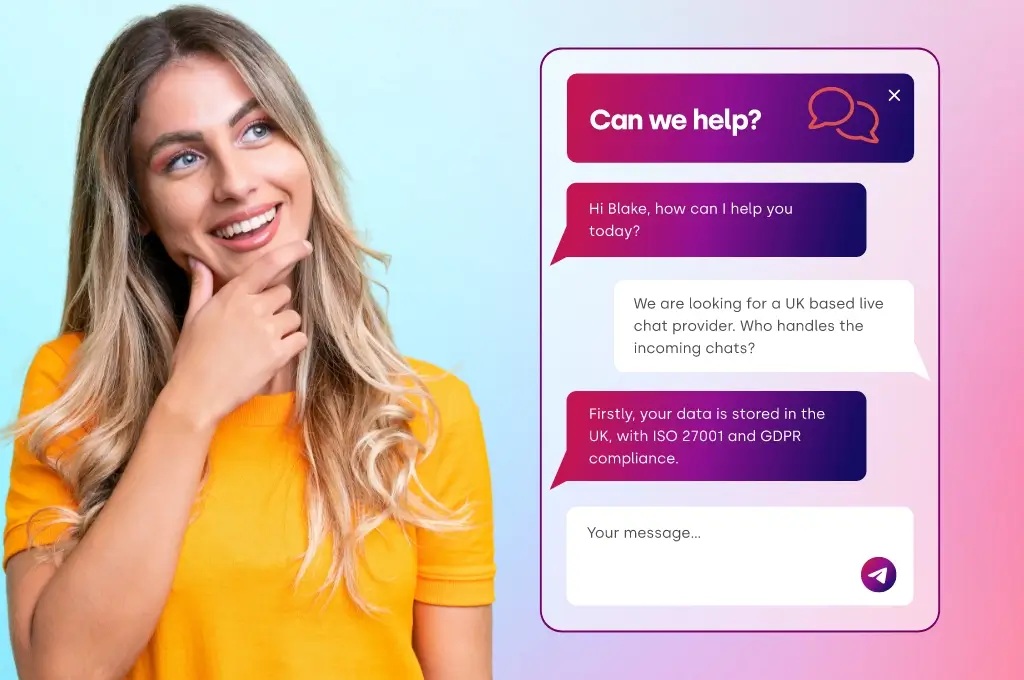
Customer engagement directly impacts retention, satisfaction, and revenue. Organisations that respond in real time, personalise interactions, and anticipate customer needs consistently outperform competitors.
Digital tools, such as live chat software and AI agents for business websites, empower teams to meet these engagement expectations efficiently while maintaining a human touch. These solutions ensure that customers and service users feel heard, valued, and supported, regardless of the channel or time of day.
15 Customer Engagement Examples
- Proactive live chat invitations
- AI chatbot customer support
- Personalised product recommendations
- Omnichannel customer communication
- Customer feedback surveys
- Self-service knowledge bases
- Automated onboarding sequences
- Real-time customer support
- Loyalty and rewards programmes
- Behaviour-triggered messaging
- Social media engagement
- Interactive webinars and events
- Customer communities and forums
- AI-powered personalised experiences
- Post-purchase follow-up communication
What Are Customer Engagement Examples?
Customer engagement refers to the ongoing interactions between a business or organisation and its customers, encompassing every touchpoint from initial enquiry to post-sale support. It’s about fostering meaningful relationships rather than focusing solely on transactions.
For B2B organisations, engagement is multi-layered: it involves understanding complex decision-making processes, aligning solutions to business needs, and consistently providing value. In the public sector, engagement extends to citizens and service users, ensuring accessibility, transparency, and trust.
Best Customer Engagement Examples for B2B Organisations
Proactive Communication
Rather than wait for customers to encounter problems, modern organisations anticipate needs before they arise. Proactive communication might include notifying clients about upcoming updates, offering tailored resources based on account activity, or reaching out to address potential issues before they escalate. When using live chat functionality, it should be automated to proactively invite visitors to chat, instead of waiting for visitors to click a chat button. This creates confidence and demonstrates reliability, showing that you understand your clients’ priorities and are committed to helping them achieve their goals.
Personalisation
Customers expect interactions that recognise their history, preferences, and context. Personalisation goes beyond using a name; it involves tailoring content, recommendations, and support based on behavioural data and previous interactions. Whether it’s adjusting communication tone for a long-term enterprise partner or suggesting relevant integrations for a new SaaS user, personalised engagement builds trust and makes every customer feel genuinely understood.
Omnichannel Presence
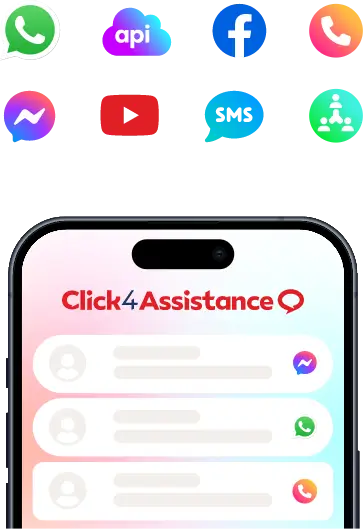
Businesses operate in an environment where customers move fluidly between platforms: from websites and mobile apps to social media and live chat. A true omnichannel presence ensures these transitions are seamless. For example, a customer who begins a conversation on live chat should be able to continue it later via email or phone without repeating details. This continuity strengthens engagement, reduces friction, and projects a unified, professional brand experience.
Feedback Integration
Customer engagement is a continuous learning process. Leading organisations actively collect feedback (through surveys, chat transcripts, support tickets, or social interactions) and use it to improve services and decision-making. More than simply gathering opinions, feedback integration means visibly acting on what customers share. When clients see that their suggestions lead to tangible improvements, engagement becomes a collaborative partnership rather than a one-way exchange.
Why Customer Engagement Examples Improve Customer Retention
Engaged customers are more than satisfied clients; they are advocates, repeat buyers, and partners in innovation. The impact of strong engagement is measurable across multiple business dimensions:
- Increased Revenue and Loyalty
Customer retention is one of the clearest indicators of engagement success. In B2B relationships, where contracts are long-term and investments significant, loyalty is built on consistent value and mutual trust. When clients feel genuinely understood and supported, they are far more likely to renew contracts, expand their service portfolio, and advocate for your brand within their networks.
Engaged customers are not simply satisfied, they are emotionally connected. They recognise your organisation as a trusted partner, not just a supplier. This level of trust takes time and consistent interaction to develop, which is where proactive digital engagement tools can make a measurable difference.
Live chat platforms ensure that customers can always reach you when they need support, while AI virtual agents maintain constant availability, addressing queries instantly and providing reassurance outside of business hours. Over time, these interactions reinforce reliability, convenience, and care which are the key foundations of customer loyalty.
According to a PwC article technology enables experience but meaningful engagement depends on people, processes, and empathy.
Also, HubSpot’s 2024 “State of Service” report outlines how customer expectations demand proactive, personalised support.
From a financial perspective, improving retention even marginally has a powerful compounding effect. Studies consistently show it is five to seven times more cost-effective to retain existing customers than to acquire new ones. High engagement directly translates into lower churn, stronger customer lifetime value (CLV), and improved predictability of future revenue.
“We see our customers as invited guests to a party, and we are the hosts. It’s our job every day to make every important aspect of the customer experience a little bit better.” – Jeff Bezos (Founder Amazon)
- Enhanced Reputation and Trust
Trust is the currency of long-term business relationships. In both commercial and public sector contexts, organisations that communicate openly, respond transparently, and maintain consistency across all channels earn the confidence of their stakeholders.
In B2B settings, trust means reliability, for example delivering on promises, providing accurate information, and responding promptly when challenges arise. In the public sector, it extends to accountability and transparency, ensuring that citizens understand how and why decisions are made.
Every digital touchpoint contributes to reputation. A fast, empathetic response through live chat, or an intelligent, helpful interaction with an AI virtual assistant, reinforces a brand’s professionalism and dependability. Conversely, delayed or inconsistent communication can quickly eat away trust.
By using digital engagement tools to manage communication efficiently, organisations can ensure customers always receive the right information, at the right time, in the right tone. This proactive, reliable communication nurtures confidence, a priceless asset in an era of increasing customer expectation.
“The key is to set realistic customer expectations and then not to just meet them, but to exceed them — preferably in unexpected and helpful ways.” – Richard Branson (Founder Virgin Group)
- Improved Revenue and ROI
Customer engagement examples demonstrate measurable financial performance. When businesses invest in understanding and supporting their customers, the return on that investment is seen in increased revenue, more efficient sales processes, and stronger brand loyalty.
Proactive engagement strategies, powered by tools like live chat, help identify opportunities for cross-sells and upsells at exactly the right time. For example, when an existing client engages on a support page, advisors might flag an additional module or complementary service that aligns with their needs. This kind of targeted, value-based selling builds on trust and relevance rather than pressure, leading to higher conversion rates and more sustainable growth.
In addition, engaged customers tend to be more receptive to new offerings and more likely to provide constructive feedback that refines your value proposition. As a result, customer engagement examples not only increase direct revenue but also strengthen your strategic positioning in the market.
For the public sector, while ROI is measured differently, the same principle applies: engaged citizens are more likely to participate, comply with services, and reduce administrative overheads, in turn, driving efficiency and cost savings.
“Organisations that prioritise customer experience generate 60% higher profits compared to those that don’t.” – Gartner (Global research and advisory firm)
- Operational Efficiency
Strong engagement contributes to operational excellence. By leveraging digital tools to manage communication, organisations can reduce manual workloads, improve response times, and allocate human resources more effectively.
AI virtual agents are a prime customer engagement example of this transformation. They handle routine queries, guide customers to relevant resources, and escalate complex issues to human teams when needed. This not only improves responsiveness but also ensures that human agents can focus their expertise on high-value interactions that require critical thinking or emotional intelligence.
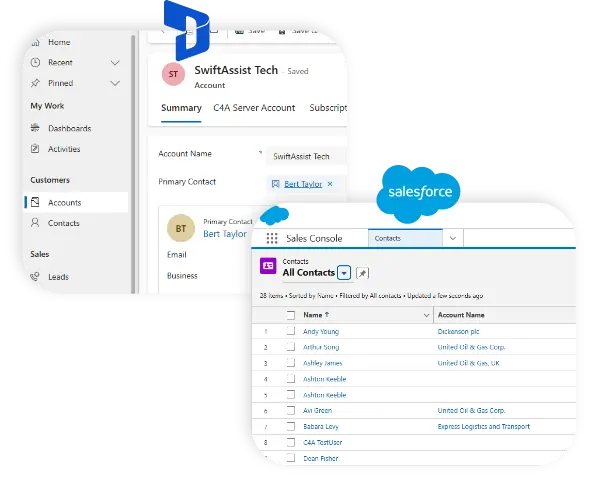
Similarly, live chat software streamlines customer support by consolidating conversations, integrating with CRM systems, and enabling data sharing across departments. This reduces duplication, shortens resolution times, and provides managers with a real-time view of engagement performance.
The efficiency gained from automation does not mean removing the human touch. It allows organisations to deliver faster, smarter, and more empathetic service by freeing employees from repetitive tasks and enabling them to focus on building relationships.
For businesses and public organisations alike, the result is a more productive workforce, optimised use of resources, and a higher overall return on digital transformation investments.
“Every company is a software company. You have to start thinking and operating like a digital company, really engaging your customers through digital means.” – Satya Nadella (CEO Microsoft)
- Insight-Driven Innovation
Every conversation, query, or feedback submission generates valuable insight. When captured and analysed effectively, this information becomes a powerful resource for innovation and strategic improvement.
Data gathered through live chat transcripts, and customer surveys can reveal emerging trends, highlight recurring issues, and expose opportunities for new products or service enhancements. For example, if multiple clients consistently ask how to integrate your platform with another software tool, that data could inform a future product feature or partnership.
By connecting engagement data with analytics tools, organisations can move beyond reactive service delivery to predictive intelligence and use insight to anticipate what customers will need next. This proactive approach helps refine marketing strategies, improve onboarding processes, and strengthen overall service design.
In public sector environments, insight-driven engagement also supports policy development and resource planning. Analysing citizen interactions helps councils and government departments identify pain points, streamline services, and ensure accessibility for all users.
Ultimately, the organisations that thrive are those that listen to what their customers say and what their data reveals. Insight-driven innovation ensures that customer engagement examples continually evolve, keeping businesses relevant, responsive, and competitive in a rapidly changing landscape.
“Your most unhappy customers are your greatest source of learning.” – Bill Gates (Co-founder Microsoft)
Together, these five outcomes - retention and loyalty, reputation and trust, revenue and ROI, operational efficiency, and insight-driven innovation- represent the tangible value of modern customer engagement examples.
When supported by intelligent digital tools such as live chat and AI chatbots, engagement evolves from a reactive support function to a strategic growth driver. For decision-makers, this means stronger relationships, sustainable results, and a future-ready foundation built on trust, understanding, and continuous improvement.
Principles of Effective Customer Engagement
To build meaningful, long-lasting relationships, organisations should adhere to core engagement principles:
- Customer-Centricity
Place the customer at the heart of every decision. Understand their business challenges, objectives, and preferences to create relevant, value-driven interactions.
- Trust and Transparency
Honesty is critical. Clearly communicate, for example, service capabilities and timelines, to reinforce credibility.
- Two-Way Communication
Engagement is a dialogue. Encourage feedback, listen actively, and respond promptly to build rapport and demonstrate attentiveness.
- Personalisation and Relevance
Use insights and analytics to deliver messages and solutions tailored to the individual needs of clients or service users.
- Consistency Across Channels
Maintain the same quality, tone, and service level across every touchpoint, whether on a website, WhatsApp, via email, phone, or live chat.
- Value Creation
Every interaction should create value, whether through knowledge sharing, problem-solving, or enhancing the customer experience.
- Empathy and Emotional Connection
Understand the challenges faced by your customers and communicate in ways that demonstrate care and respect.
- Continuous Improvement
Regularly review engagement outcomes, adapt to feedback, and evolve strategies to meet changing expectations.
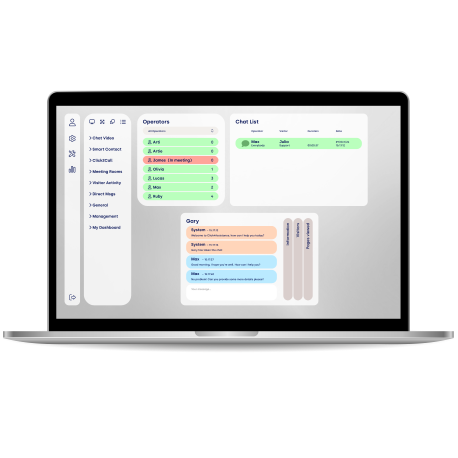
Agent Software That Makes Live Chat Easy
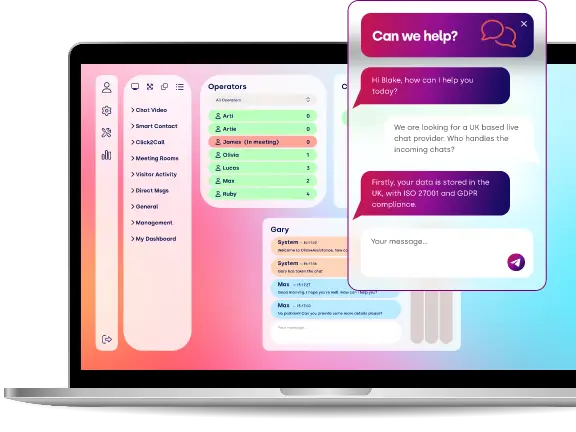
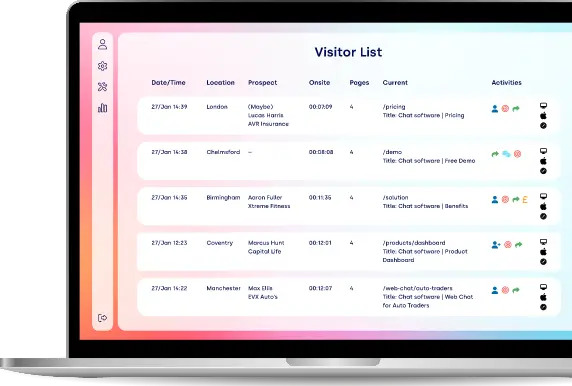
Our intuitive dashboard helps agents handle multiple chats, view visitor insights and boost productivity, all designed to make support faster, easier and more personal.
Live Chat and AI Chatbot Customer Engagement Examples
Digital tools have become central to Customer engagement strategies. Among them, live chat and AI virtual agents stand out for their ability to deliver immediate, personalised support at scale.
Benefits of Live Chat
- Instant responses: Reduce waiting times and increase satisfaction
- Proactive assistance: Triggered chat invitations can offer help before issues arise.
- Data capture: Collect insights from conversations to inform product or service development.
Benefits of AI Chatbots
- 24/7 support: Provide around-the-clock assistance for complex queries
- Scalability: Handle multiple simultaneous interactions without sacrificing quality
- Consistency: Deliver standardised, accurate responses while maintaining brand tone.
These tools complement human teams, enabling staff to focus on complex or strategic tasks while ensuring customers receive timely and relevant support.
Real-World Client Engagement Examples
- B2B Financial Technology Firm
As a regulated industry, Transact needed to ensure they selected a software provider that could comply with the stringent security and compliance requirements.
It was also essential the software offered a full range of functionality, and the reporting suite had to be comprehensive.
The live chat button was being placed within an area of the Transact solution where users were logged in, and potentially sensitive information could be transmitted therefore security was a number 1 priority.
Click4Assistance Live Chat Software provides a range of useful functionality to facilitate speedy, efficient, and accurate responses to customer questions.
The strategy included:
- Working in unison with the compliance and security teams to ensure all regulatory requirements were satisfied.
- Collaborating with Transact procurement and technical teams to establish requirements and ensure the relevant functionality was available.
- Customisation of the chat button and windows to maintain brand integrity.
- A library of predefines replies to expedite responses.
- Comprehensive support throughout initial set up beyond.
Implementation was straightforward with the limitation of pages working well to restrict access for enquiries from the relevant ‘guided’ customer base.
Following comprehensive review, success measurement and compliance investigation, Transact decided to expand the solution to the ‘non-guided’ customer base.
Transact staff recorded a noticeable increase in customer satisfaction and improved customer service KPI’s.
- Customer feedback – overwhelmingly positive
- CS Team feedback - The staff find the interface intuitive & easy to use
- Operational feedback – procurement report C4A as one of their favoured suppliers due to the professional yet friendly team. Responsive times exceed expectations
- Technical feedback – versatile and comprehensive functionality ensures all requirements are exceeded
- Compliance and Security – C4A were able to fulfill the most demanding aspects of security requirements within the highly regulated finance industry
Transact are currently expanding the implementation across all areas of the business. Using more advanced functionality such as the ability to dynamically pass information from back-end systems through to chat advisors to optimise resources and further improve customer service.
- Public Sector Organisation
In 2016, Salford City Council set out to make its services more accessible and responsive to residents. Rather than piloting live chat with one department, the council took the ambitious step of launching it across all service areas immediately. To do this successfully, it needed a platform that could:
- Support all departments from day one – from housing and council tax to highways and environmental services
- Route enquiries accurately – ensuring residents reached the right team without unnecessary transfers
- Handle high and varied demand – managing multiple types of enquiries without compromising quality or speed
- Integrate seamlessly – fitting into existing processes without adding administrative burden
- Meet strict security standards – providing the assurance that all data would be securely stored within the UK
Salford Council contacted Click4Assistance because of the platform’s proven robustness, reliability, and strong data protection credentials, which were considered critical factors for a city-wide launch covering every service.
Salford City Council’s commitment to a full-scale rollout and ongoing improvement has transformed how residents interact with their local authority.
- Faster access to services – residents can reach the right teams quickly, without navigating long phone menus or waiting in queues
- Consistent customer experience – every service area offers the same quick, convenient digital contact option
- Improved efficiency – live chat reduces pressure on phone lines and allows staff to manage more enquiries in less time
- Greater capability – the chatbots handles routine questions instantly, enabling staff to focus on more complex issues
This comprehensive approach meant Salford City Council could confidently launch live chat across every service from the very beginning, secure in the knowledge that it met the highest standards of reliability and data protection. By continuing to invest in enhancements such as chatbots, the council has built a future-proofed digital contact channel.
- Education Provider
Bradford University conducted a comprehensive solution search and following vendor presentations, Click4Assistance Live Chat Software was chosen based on the simplicity of implementation, cost effectiveness, and it’s easy to use interface.
The solution was implemented with full customisation within a matter of days.
The strategy included:
- A full in-person presentation to the faculty to ensure all elements had a complete understanding of the software capabilities
- Specific customisation of the pre-chat form to include required data capture and contact method preference indicators
- Post Chat Surveys to track CSAT and provide student access to request a copy of the transcript
- Links to their socials so that students could easily follow and therefore increase interaction for the University
- Comprehensive training for the chat agents
“The Web Team worked closely with Click4Assistance and implemented the tool in a matter of days with University ‘Agents’ up and running in no time at all. The support from the team, and our account manager in particular, was great - always on hand to answer any query (however minor or seemingly daft!) and the technical support was also appropriate to the needs of the Web Team.”
Senior Web and Content Manager
The University of Bradford staff found the interface simple to use and they are comfortable handling the increasing surge of enquiries during the busy clearing period.
- Course Enquiries Team – now integrated live chat within ‘business as usual’
- Demand surge during clearing period sees enquiries via live chat triple
- November/December/January also report a notable increase in demand
- Data capture provides valuable contact information for future marketing
- Student surveys reflect a preference for communication via live chat
Today, over ten years since its initial implementation, live chat remains central to the University of Bradford’s commitment to accessibility, efficiency, and outstanding student service.
How to Build a Customer Engagement Strategy
An effective customer engagement strategy combines personalised communication, proactive support, omnichannel messaging, and real-time customer interactions.
Businesses should analyse customer behaviour, identify key touchpoints in the customer journey, and use tools such as live chat and AI chatbots to improve response times and customer satisfaction.
The most successful engagement strategies focus on consistency, convenience, and creating meaningful long-term customer relationships.
Frequently Asked Questions (FAQs)
- What is the difference between live chat and AI chatbots?
Live chat connects users with human agents in real time, while AI chatbots (virtual assistants) use automation and artificial intelligence to answer queries, provide guidance, and perform routine tasks. Both complement each other to improve engagement efficiency.
- Can AI chatbots work 24/7 for B2B customers?
Yes, AI assistants are available around the clock, providing consistent support across time zones and reducing response delays.
- How do customer engagement examples improve ROI?
By increasing retention, improving satisfaction, streamlining support processes, and generating actionable insights, customer engagement software delivers measurable financial and operational benefits.
- Are live chat and AI chatbots suitable for public sector organisations?
Absolutely. They help local authorities and other public bodies deliver accessible, timely, and transparent services while freeing staff to focus on complex citizen queries.
- How do I measure the success of customer engagement examples?
Key metrics include NPS, engagement rate, response time, CLV, and retention/conversion rates. Combining qualitative and quantitative data provides a holistic view of engagement effectiveness.
- Can AI chatbots handle complex queries?
While AI handles routine or repetitive queries, it can escalate complex issues to human agents seamlessly, ensuring no customer is left unsupported.
See Click4Assistance in Action
Schedule a demo with our experts and explore the power of live chat and AI-driven engagement tools tailored to your business.