














Raising the Standard: How important is ISO27001:2022


When the updated ISO 27001:2022 standard was introduced, many organisations were faced with an important decision. Should they wait until they had to transition, or should they take the opportunity to review their approach to information security and adopt the new requirements early? At Click4Assistance, we chose to make that transition early.
We always want to lead the way, and believed the updated standard reflected the reality of how businesses operate in the modern world. Technology has changed significantly since the previous version was introduced, with organisations increasingly relying on cloud platforms, connected systems, remote working and new technologies such as artificial intelligence. The way information is created, shared and protected has changed, and the standards businesses use to manage security need to evolve alongside it.
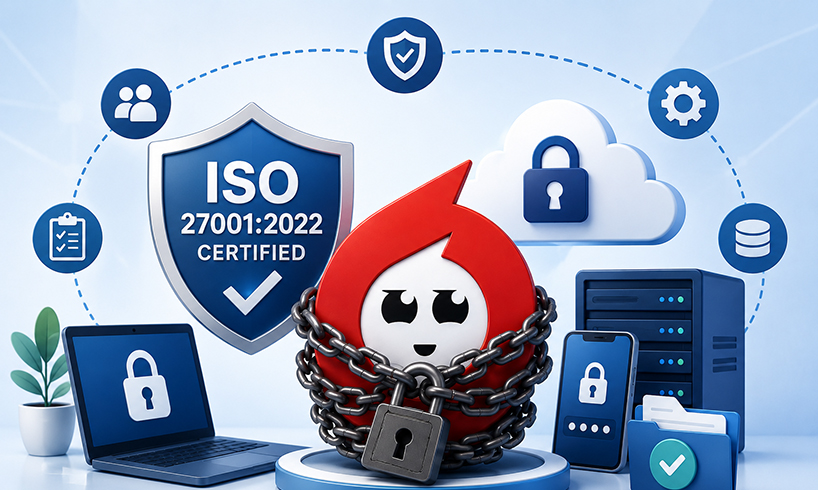
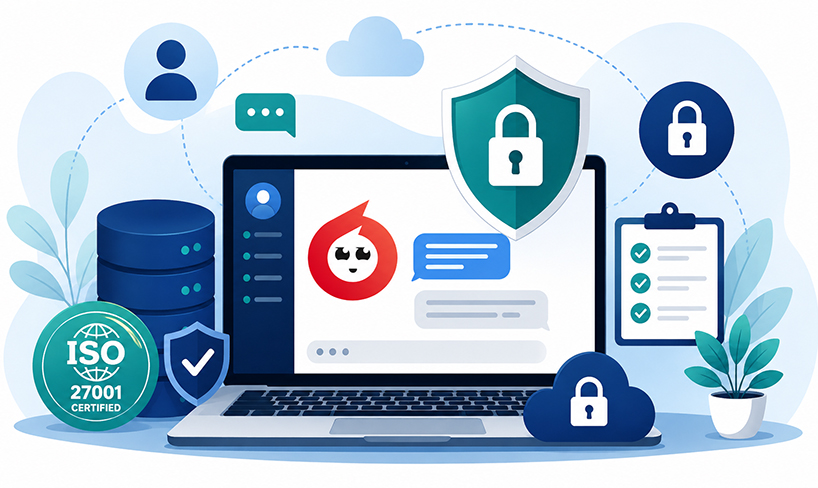
Having achieved ISO 27001:2022 certification as one of the earliest organisations in the UK to do so, we have now successfully completed our first full recertification audit against the updated standard.
This is more than simply another milestone for us. It demonstrates that the approach we adopted from the beginning continues to stand up to independent scrutiny and that security remains embedded within the way we operate.
Our recertification audit was carried out by BSI, one of the world's most respected certification bodies. For us, choosing an organisation with such a strong reputation was important because the value of certification comes from the rigour of the process behind it. Independent assessment only has meaning when it provides genuine challenge, not simply confirmation.
Why Information Security Has Become a Business Priority
Twenty years ago, cyber security could often be viewed primarily as an IT department responsibility. Organisations focused on protecting their networks, keeping software updated and ensuring basic security controls were in place. Those measures were essential, but security conversations were often limited to technical teams rather than being part of wider business decision-making.
However, technology is now central to almost every organisation's relationship with its customers. Businesses rely on digital platforms to deliver services, communicate with customers and manage information every day. Universities support students through online services, Insurance companies provide digital access to brokers, housing associations communicate with tenants through multiple channels and businesses across every sector rely on technology to operate efficiently.
The benefits are significant, with digital services making information easier to access, improving customer experiences and helping organisations respond more effectively to demand.
But with every digital interaction involving information, there comes a responsibility. A customer conversation that begins with a simple enquiry may include names, addresses, account details, booking references, tenancy information or other personal data. The more organisations rely on technology to communicate with customers, the more important it becomes to understand how that information is managed and protected. This responsibility does not sit solely with the organisation delivering the service (the data controller), since more recent changes to GDPR extends to the technology partners (the data processor) supporting those services too.
When an organisation chooses a software provider, it is also choosing how much confidence it can place in that supplier's approach to security.
Looking Beyond the Features
When businesses evaluate technology solutions, conversations will often focus on functionality, and while it is essential that the functionality is fit for purpose, these are important considerations should not form the only part of the decision.
Your customers may never ask how often internal security processes are reviewed, how risks are assessed or how employees are trained to protect information. However, those questions reveal a great deal about the organisation they are trusting with their data and this is why independent certification matters.
There is a difference between a supplier saying that security is important and being able to demonstrate that its processes have been independently assessed against an internationally recognised standard. ISO 27001 provides that framework as it examines how organisations identify and manage information security risks, how controls are implemented and how improvements are continually made.
For organisations choosing technology partners, asking about security certifications should be just as natural as asking about functionality, support and implementation.
Certification Is Not the End of the Process
One of the misconceptions about ISO certification is that achieving it represents the completion of the work. In reality, it represents a commitment to maintaining a certain standard of operations.
ISO 27001 certification operates on a three-year cycle. During that period, organisations undergo regular surveillance audits to confirm that the requirements continue to be maintained. At the end of the cycle, a full recertification audit takes place, providing a more comprehensive review of the Information Security Management System.
Our recent recertification audit was that full assessment.
It involved a detailed examination of our processes, controls, policies and approach to managing information security, which was an opportunity to demonstrate that the principles behind our certification continued to be reflected in the way we operate.
That distinction is important as a security framework only delivers value when it becomes part of everyday business practice. Policies need to influence decisions and processes need to be followed consistently along with ensuring employees understand their role in protecting information.

Why We Chose to Transition Early
When the ISO 27001:2022 standard was introduced, we saw it as an opportunity rather than simply a requirement. The updated standard recognised changes in the way organisations use technology and manage information and placed greater emphasis on areas such as organisational context, risk management and the evolving nature of security threats.
Waiting until the transition deadline would have been possible, but we felt that moving early was the right decision. As a technology provider, we believe our responsibility is not only to respond to changes in the industry but to understand where things are heading and prepare accordingly.
Making that transition early meant reviewing our existing approach, considering where improvements could be made and ensuring our processes reflected the expectations of modern organisations.
Completing our first recertification against the 2022 standard reinforces that decision, as it shows that the changes we made represented a genuine commitment to maintaining strong information security practices over time.
Security and Innovation Must Work Together
The conversation around information security has become even more important as organisations explore artificial intelligence.
AI agents for customer support offer exciting opportunities for improving customer service, increasing efficiency and supporting employees. However, responsible adoption requires careful consideration around data, governance and security. Organisations quite rightly want to understand how information is handled, what safeguards exist and how suppliers approach the responsible use of new technology.
At Click4Assistance, these principles apply across our platform. Whether an organisation is using human-led live chat, our logic-based conversational interface chatbot ,Coni or our AI powered customer engagement agent Arti, security considerations remain part of the development and delivery process.
Technology should help organisations create better customer experiences, but it must do so in a way that maintains trust.
A Responsibility We Take Seriously
After more than 20 years working in customer engagement technology, we understand that trust is earned by actions.
Customers depend on us to provide reliable solutions, but they also depend on us to handle information responsibly. That responsibility extends beyond the technology itself and into the processes, people and decisions behind it.
ISO 27001 provides a valuable framework for maintaining those standards, but certification is only meaningful when supported by the right culture.
Information security is everyone's responsibility.
It requires awareness across the organisation, from the teams developing and supporting our platform to those managing the day-to-day operations of the business. It requires people to understand the processes that exist, but also why they matter.
That culture cannot be created overnight. It develops through consistency, accountability and a commitment to doing things properly.
Continuing to Build Trust
Successfully completing our first ISO 27001:2022 recertification is something we are proud of, but it is also a reminder of the responsibility that comes with being a technology partner.
Security will continue to evolve. The way organisations use technology will continue to change. New opportunities will emerge, particularly as AI becomes increasingly part of everyday customer interactions.
Our commitment remains the same, as we will continue to provide secure, reliable technology that helps organisations communicate with their customers effectively. Being one of the earlier UK organisations to achieve ISO 27001:2022 certification was an important milestone. Completing our first recertification demonstrates that we have continued to maintain those standards and that our approach has stood the test of time. This reinforces something we have always believed: protecting information is part of running a responsible technology business.